Table of Contents
You can cook a wide range of ingredients with a sous vide machine, but some foods benefit from this method more than others. Sous vide cooking is especially useful when you want precise temperature control, consistent results, and food that stays juicy instead of drying out. Because ingredients cook gently in a water bath, the technique is ideal for proteins, seafood, eggs, and certain vegetables that can be easy to overcook with traditional methods.
If you are new to sous vide, it can be helpful to start with foods that clearly show the advantages of the method. The best foods to sous vide are often everyday favorites: steak, chicken breast, pork tenderloin, salmon, eggs, lobster, and carrots. These ingredients all respond well to controlled low-temperature cooking and can deliver excellent texture and flavor with very little hands-on work.
Best Foods to Sous Vide List
Meat
Meat is one of the most popular categories for sous vide cooking, and for good reason. Steaks, roasts, brisket, and other cuts can be cooked to an exact internal temperature without the guesswork that often comes with grilling, roasting, or pan-searing. Instead of worrying about whether the center is undercooked or overdone, you can set the water bath to your preferred temperature and let the sous vide process do the work.
Tougher Cuts
Tougher cuts of meat are excellent candidates for sous vide because the long, controlled cooking process helps break down firm connective tissue while keeping the meat moist. Cuts such as chuck roast and brisket can become tender and flavorful without requiring constant attention. This is one of the biggest advantages of sous vide: it can turn affordable, tougher cuts into satisfying meals with a texture that is difficult to achieve through faster cooking methods.
For a detailed example, see our chuck roast recipe here: Delicious Sous Vide Chuck Roast With Gravy
Steaks
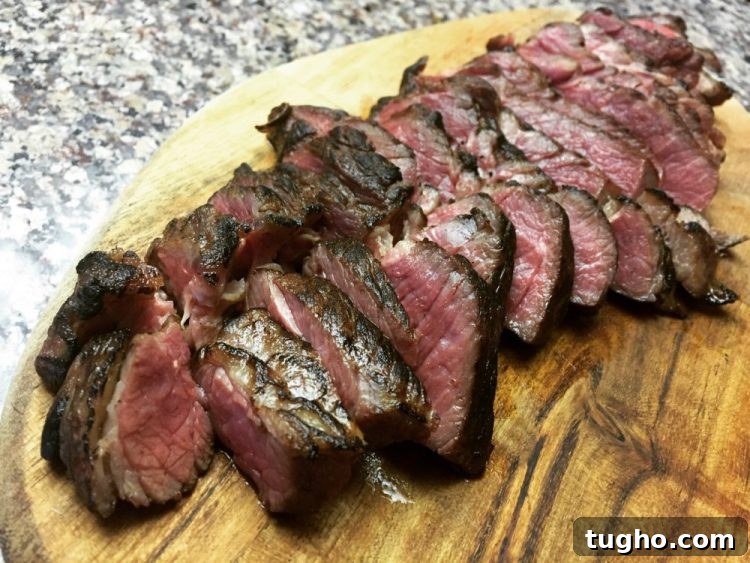
Steak is another classic sous vide choice. Many home cooks struggle to get a crisp, browned crust while keeping the inside rare, medium-rare, or exactly to their preferred doneness. With sous vide steak, you cook the meat to the exact internal temperature first, then finish it quickly in a very hot skillet, on a grill, or with a torch. This creates a flavorful sear on the outside without overcooking the center.
For more guidance, visit our steak article or try our ribeye recipe.
Eggs
Eggs are one of the best foods to sous vide because small temperature changes can dramatically affect their texture. With traditional cooking, poached eggs and hard-boiled eggs can be inconsistent, especially if timing or heat levels vary. Sous vide gives you much better control over the final result, whether you want a soft, custardy yolk, a firmer texture, or egg bites with a smooth finish.
We have written a complete guide to sous vide eggs. Egg bites are also a popular sous vide option because they cook evenly and can be customized with different cheeses, vegetables, and seasonings. If you enjoy café-style egg bites, you can try our version here: Best Starbucks Sous Vide Egg Bites Recipe
Sous Vide Pork
Pork can dry out quickly when cooked in the oven or on the stovetop, especially lean cuts such as pork tenderloin. Sous vide helps solve that problem by cooking the pork gently in a sealed bag, allowing it to retain its natural juices. The result is tender, flavorful pork with less risk of a dry or tough texture.
Pork tenderloin is especially well suited to sous vide because it is lean, quick to season, and easy to finish with a glaze or sear after cooking. It can be prepared with sweet, savory, or spicy flavors, making it a versatile option for weeknight dinners or special meals.
Check out our favorite pork recipe here: Sous Vide Hoisin-Glazed Pork Tenderloin
Sous Vide Chicken Breasts
Chicken breast is a common ingredient, but it is also one of the easiest proteins to overcook. Oven-baked chicken breast often turns out dry and bland because lean white meat has little margin for error. Sous vide chicken breast is different. Since the meat cooks at a controlled temperature, it can become tender and juicy while remaining safe and evenly cooked.
This method is also helpful for meal prep. You can season chicken breasts in advance, cook them sous vide, and finish them with a quick sear when you are ready to eat. The flavor stays locked in, and the texture is much more consistent than with many traditional cooking methods.
Learn more in our chicken breast guide here: How to Make Safe And Perfect Sous Vide Chicken Breast
Sous Vide Fish
Fish may seem unusual for sous vide at first, but it is one of the foods where the method really shines. Fish is delicate and can go from perfectly cooked to dry in a very short amount of time. Sous vide provides gentle, even heat, making it easier to achieve a tender texture without overcooking.
Salmon is a favorite choice because it cooks beautifully in a water bath and can be finished simply with a quick sear or served as is, depending on the recipe. The controlled cooking environment helps preserve moisture and creates a soft, flaky texture that is difficult to match with high-heat methods.
See our salmon recipe here: Sous Vide Salmon Recipe
Lobster
Lobster is expensive, so it makes sense to cook it as carefully as possible. Traditional methods can easily make lobster tough or rubbery if it is cooked for too long. Sous vide allows you to control the temperature closely, helping the lobster stay tender and buttery.
One of the best parts of cooking lobster sous vide is that it can be sealed in the bag with butter and seasonings. This allows the lobster to cook gently while taking on rich flavor. For anyone who finds lobster intimidating, sous vide is a reliable way to reduce guesswork and improve consistency.
Check out our lobster recipe here: Sous Vide Garlic Butter Lobster Tail
Sous Vide Carrots
Carrots might not be the first food that comes to mind when you think about sous vide, but they are an excellent vegetable for this technique. Sous vide carrots can be cooked until tender while still keeping a pleasant texture. Because they cook in a sealed bag, they can absorb butter, herbs, spices, or other seasonings without losing flavor to boiling water.
This makes carrots a simple but impressive side dish. They can be prepared with sweet flavors, savory seasonings, or a combination of both. Sous vide also makes it easier to cook them evenly, which is useful when serving them with steak, chicken, pork, or seafood.
You can find our carrot recipe here: An Amazing Recipe For Sous Vide Carrots
If you are building your sous vide setup, be sure to check out our favorite machines here: 21 Best Sous Vide Machines
You can also explore our favorite recipe books here: 10 Best Sous Vide Cookbooks