 Wendy Stoltz,
  Gusti Ayu Wahyuni Mertawati / Last Modified On November 10, 2025
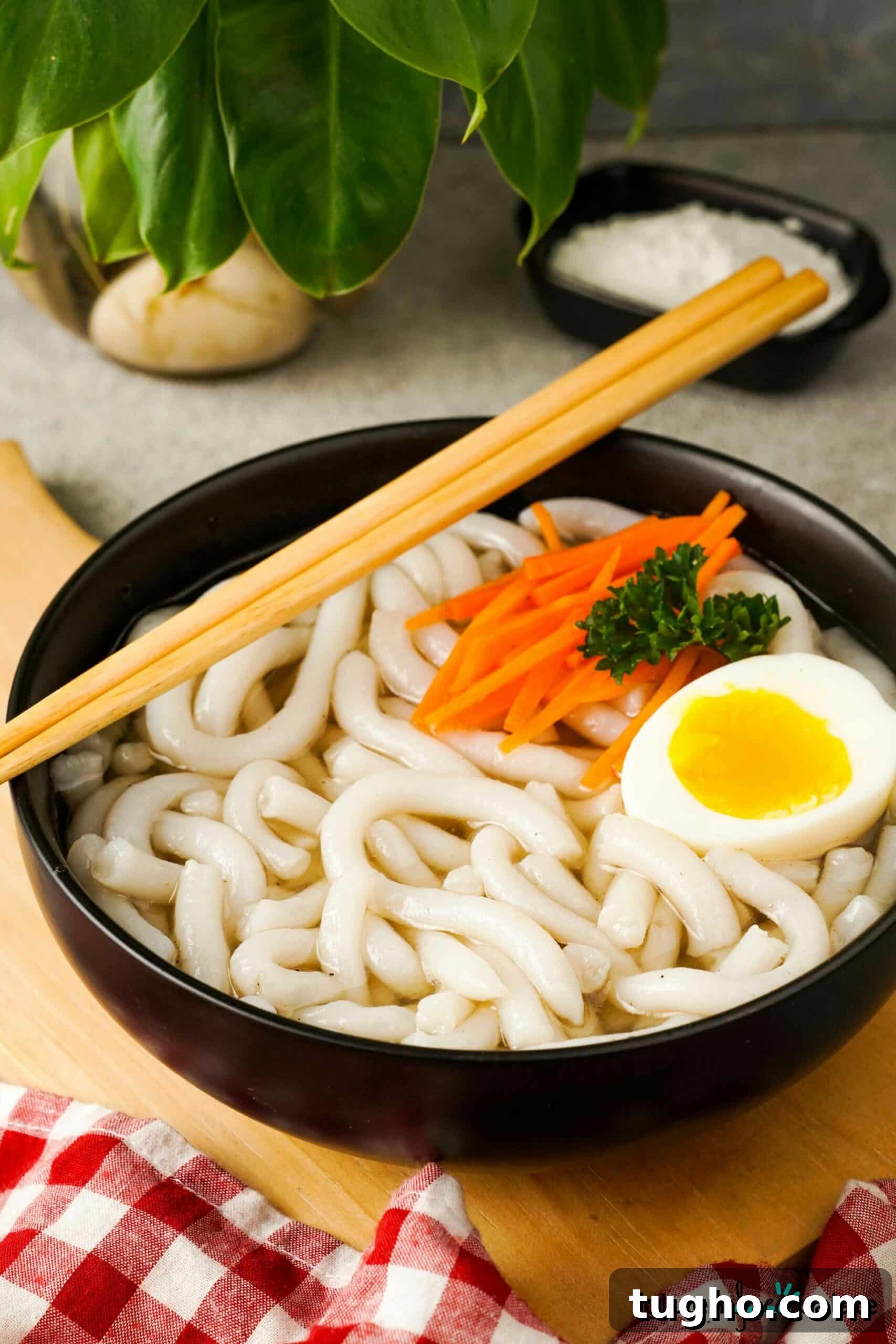
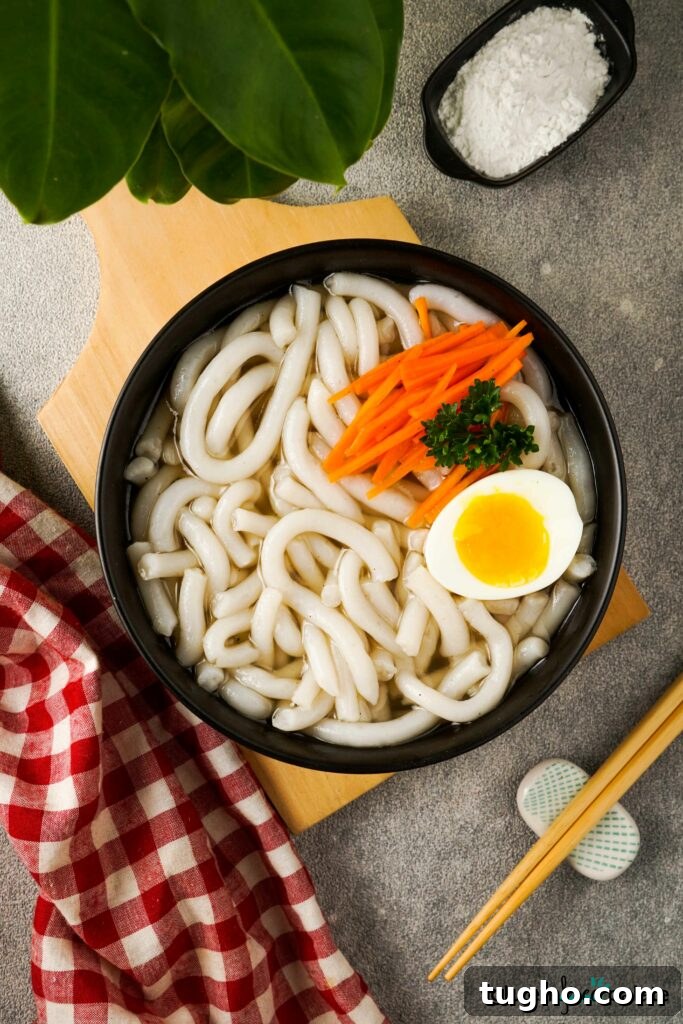
Learn how to make gluten-free udon noodles at home with simple ingredients and an easy piping method. These homemade noodles are soft, chewy, and ideal for Asian-inspired soups, stir-fries, noodle bowls, and simple side dishes.
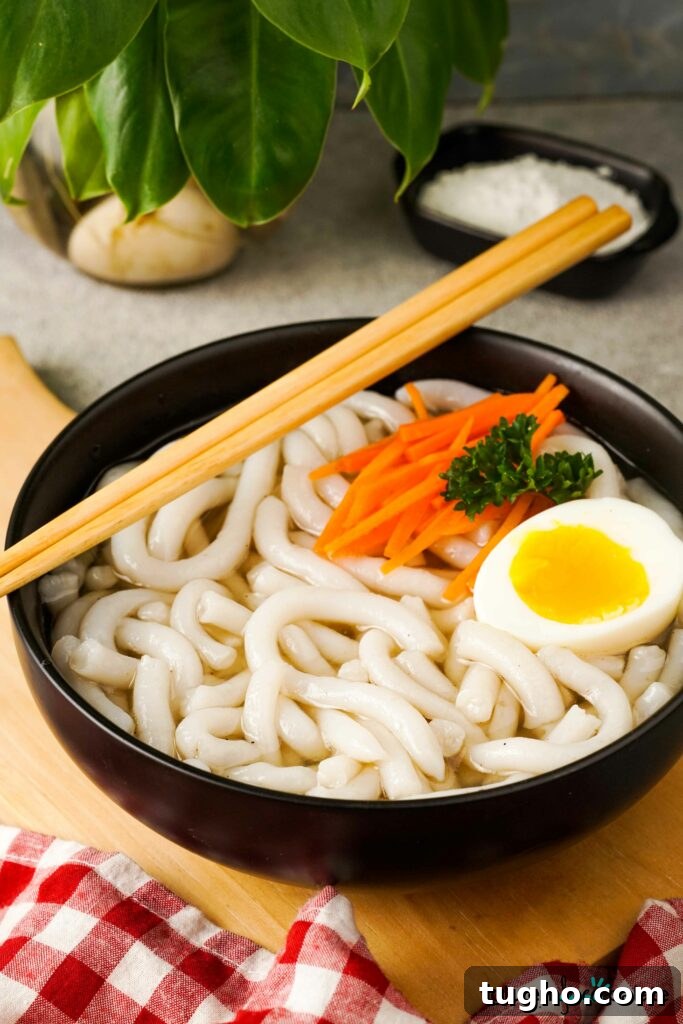
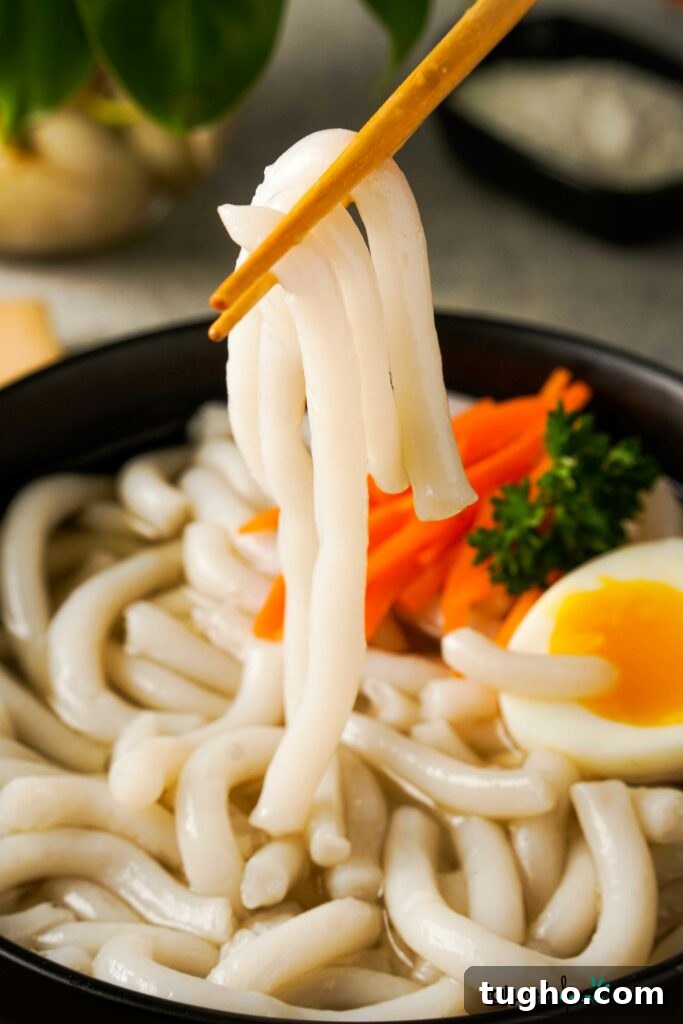
If you enjoy Asian-style meals and need gluten-free options, these udon noodles are a wonderful recipe to keep in your rotation. Traditional udon noodles are usually made with wheat flour, so they are not suitable for a gluten-free diet. This version uses rice flour and tapioca flour to create a noodle that still has a satisfying bite.
Homemade gluten-free udon noodles are especially useful because they can be paired with so many different meals. Serve them in a savory broth, toss them with tamari and green onions, stir-fry them with vegetables, or add tofu, shrimp, beef, pork, or chicken. Once you understand the basic process, you can use these noodles as a base for quick lunches, comforting dinners, or meal-prep bowls.
Table of Contents
Gluten-Free Udon Noodles Recipe
There is something deeply satisfying about making noodles from scratch, and gluten-free udon noodles are no exception. The process is simple, but the result feels special: fresh noodles with a chewy texture that work beautifully in a wide range of dishes.
This recipe uses a blend of rice flour and tapioca flour. Rice flour gives the noodles structure, while tapioca flour helps create the soft, slightly stretchy texture that makes udon so enjoyable. The dough is cooked briefly, mixed until smooth, and then piped directly into boiling water, which means there is no rolling or cutting required.
The key to successful gluten-free udon noodles is the texture of the dough. It should be thick enough to pipe but not so dry that it breaks apart. If the dough is not coming together as expected, a small pinch of xanthan gum may help improve the texture.
These noodles are excellent in hot broth, chilled noodle salads, and stir-fries. They also pair well with simple toppings such as green onions, sesame seeds, vegetables, tofu, or your favorite gluten-free sauce.
Why You’re Going to Love These Gluten-Free Udon Noodles
Chewy texture – These noodles are designed to give you the soft, springy bite people love in udon, without using wheat flour.
Versatile – Use them in soups, stir-fries, noodle bowls, or cold salads. They are easy to pair with vegetables, protein, and gluten-free sauces.
Fresh and homemade – Fresh noodles have a flavor and texture that store-bought noodles often cannot match. Making them at home also lets you control the ingredients.
No pasta machine needed – Instead of rolling and cutting the dough, this recipe uses a piping bag with a small round tip, making the process approachable and practical.
Ingredients in Gluten-Free Udon Noodles
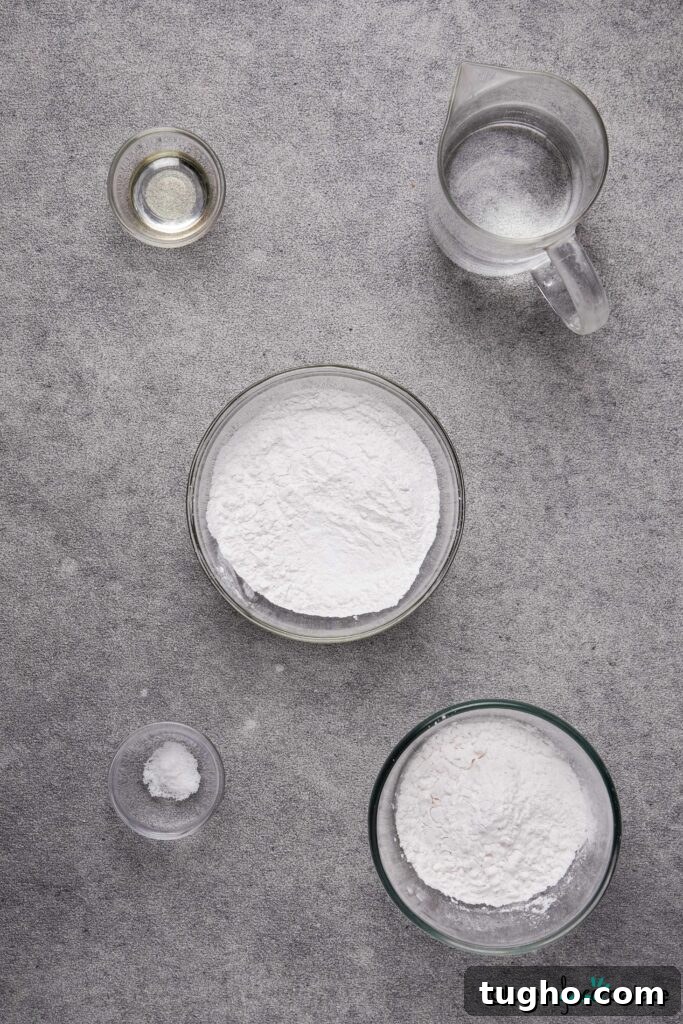
Rice Flour – Rice flour forms the base of the noodles. It helps create structure and gives the dough enough body to hold its shape while cooking.
Tapioca Flour – Tapioca flour adds chewiness and a slightly stretchy quality, helping the noodles resemble traditional udon more closely.
Salt – Salt improves flavor and also contributes to the overall feel of the dough.
Water – Water hydrates the flours and allows the dough to come together. The amount of water can affect the dough consistency and final noodle texture.
Oil – Oil is added to the boiling water to help keep the noodles from sticking together while they cook.
Equipment Needed for This Gluten-Free Udon Noodles
Small wok or saucepan – Used to cook the first mixture of water, rice flour, and salt until it turns into a thick paste.
Piping bag with a small round tip – This is used to pipe the noodle dough directly into boiling water. A noodle maker can also be used if you have one.
Heavy-bottomed pot – A sturdy pot helps keep the water boiling evenly while the noodles cook.
Whisk or wooden spoon – Use either tool to stir the dough and combine the flours smoothly.
Colander – A colander makes it easy to drain the noodles after boiling and transfer them to an ice bath.
How to Make Gluten-Free Udon Noodles
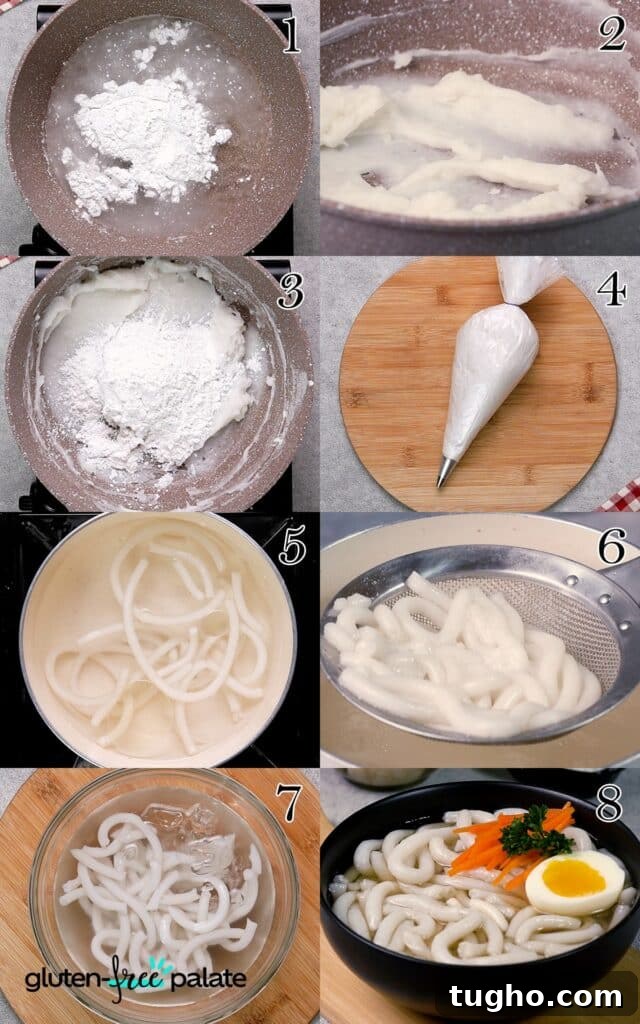
- Heat a small wok or saucepan. Add the water, ¾ cup of the rice flour, and a pinch of salt. Cook gently over low heat until the mixture becomes slightly crumbly. Turn off the heat and keep stirring until it forms a thick paste.
- Add the remaining rice flour and the tapioca flour a little at a time. Stir well until everything is evenly combined and a thick noodle dough forms.
- Transfer the dough to a piping bag fitted with a small round tip. If you have a noodle maker, you can use it instead.
- Bring a large pot of salted water to a boil, then stir in the oil. Carefully pipe the dough directly into the boiling water.
- Cook the noodles over medium heat until they float to the surface. Once they rise, scoop them out and immediately place them in a bowl of iced water to stop the cooking and set the chewy texture.
- Drain the noodles and serve them in soup, stir-fry, or your favorite gluten-free Asian-inspired dish.
Tips for Making the Best Gluten-Free Udon Noodles
Measure carefully – Gluten-free doughs are sensitive to ingredient ratios. Accurate measurements help create the best noodle texture.
Mix gently but thoroughly – Stir until the dough is smooth and evenly combined, but avoid overworking it.
Use salted boiling water – Salted water improves the flavor of the noodles as they cook.
Do not overcook – The noodles are ready when they float to the surface. Overcooking can make them too soft.
Use an ice bath – Transferring the cooked noodles to iced water stops the cooking quickly and helps preserve their chewy bite.
Frequently Asked Questions
How Do I Store Gluten-Free Udon Noodles?
Store cooked gluten-free udon noodles in an airtight container in the refrigerator for up to 3 days.
Can I Freeze Gluten-Free Udon Noodles?
Yes. Freeze the noodles for up to 1 month. Thaw them before reheating or adding them to your recipe.
Can You Make Gluten-Free Udon Noodles Ahead of Time?
Yes, these noodles can be made ahead for meal prep. Cook them, cool them in an ice bath, drain them well, and store them until you are ready to use them.
What Substitutions Can I Make?
Oil variations – Use a neutral oil such as canola or vegetable oil. Light olive oil can also work if you prefer its flavor.
Tapioca flour substitute – Arrowroot powder or potato starch may work if tapioca flour is unavailable, although these alternatives have not been tested in this recipe.
Salt adjustments – Adjust the salt to suit your dietary needs or taste preferences.
How Do You Shape Udon Noodles?
These gluten-free udon noodles do not need to be rolled or hand-shaped. The dough is piped directly into boiling water, which helps create long, even noodles with minimal effort.
Are Kame Udon Noodles Gluten-Free?
Kame Udon Noodles are not gluten-free. Traditional udon noodles, including this brand, are typically made with wheat flour.
Are Buckwheat Udon Noodles Gluten-Free?
Pure buckwheat noodles, often called soba noodles, can be naturally gluten-free because buckwheat is a seed, not wheat. However, many commercial buckwheat noodles also contain wheat flour. Always check the ingredient label to confirm that the noodles are 100% buckwheat if you need them to be gluten-free.
What Are Some Premade Gluten-Free Udon Noodle Options?
If you do not want to make gluten-free udon noodles from scratch, look for premade gluten-free udon-style noodles made from rice, konjac, or other gluten-free ingredients. Always read the label carefully to confirm that the product is gluten-free.
Gluten-Free Udon Noodles
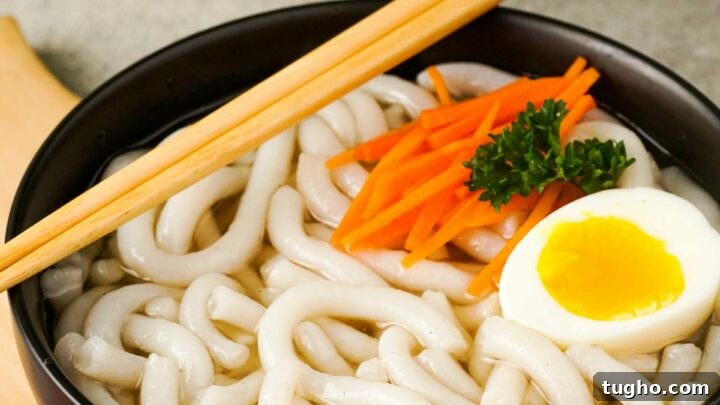
Make soft, chewy gluten-free udon noodles at home with rice flour, tapioca flour, water, salt, and oil. They are perfect for soups, stir-fries, and noodle bowls.
15 minutes
20 minutes
20 minutes
Ingredients
- 1 ¼ cups water
- 1 cup rice flour
- ½ tsp salt
- ½ cup tapioca flour
- 1 tsp oil
Instructions
- Heat a small wok or saucepan and add the water, ¾ cup of rice flour, and a pinch of salt. Cook over low heat until the mixture looks slightly crumbly, then turn off the heat and stir until it becomes a thick paste.
- Gradually add the remaining rice flour and tapioca flour. Stir until the dough is evenly combined.
- Transfer the dough to a piping bag fitted with a small round tip, or use a noodle maker if available.
- Bring a pot of salted water to a boil and stir in the oil. Pipe the dough directly into the boiling water and cook over medium heat until the noodles float.
- Remove the noodles and place them in iced water to stop the cooking. Drain and serve as desired.
Notes
- Measure Ingredients Precisely – Accurate measurements help create the correct dough consistency.
- Mix Gently – Combine the ingredients well without overworking the dough.
- Boil in Salted Water – Salted water improves the flavor of the noodles.
- Avoid Overcooking – Remove the noodles once they float to the surface.
- Use an Ice Bath – Iced water stops the cooking and helps set the texture.
Nutrition Information:
Yield:
2
Serving Size:
1
Amount Per Serving:
Calories: 231
Total Fat: 3g
Saturated Fat: 0g
Trans Fat: 0g
Unsaturated Fat: 2g
Cholesterol: 0mg
Sodium: 588mg
Carbohydrates: 49g
Fiber: 1g
Sugar: 1g
Protein: 2g
This nutrition information is based on the exact ingredients and brands used at the time. It may not be completely accurate. Please check your ingredient labels.
Did you make this Gluten-Free Udon Noodles recipe? Leave a comment below and let us know how it turned out.