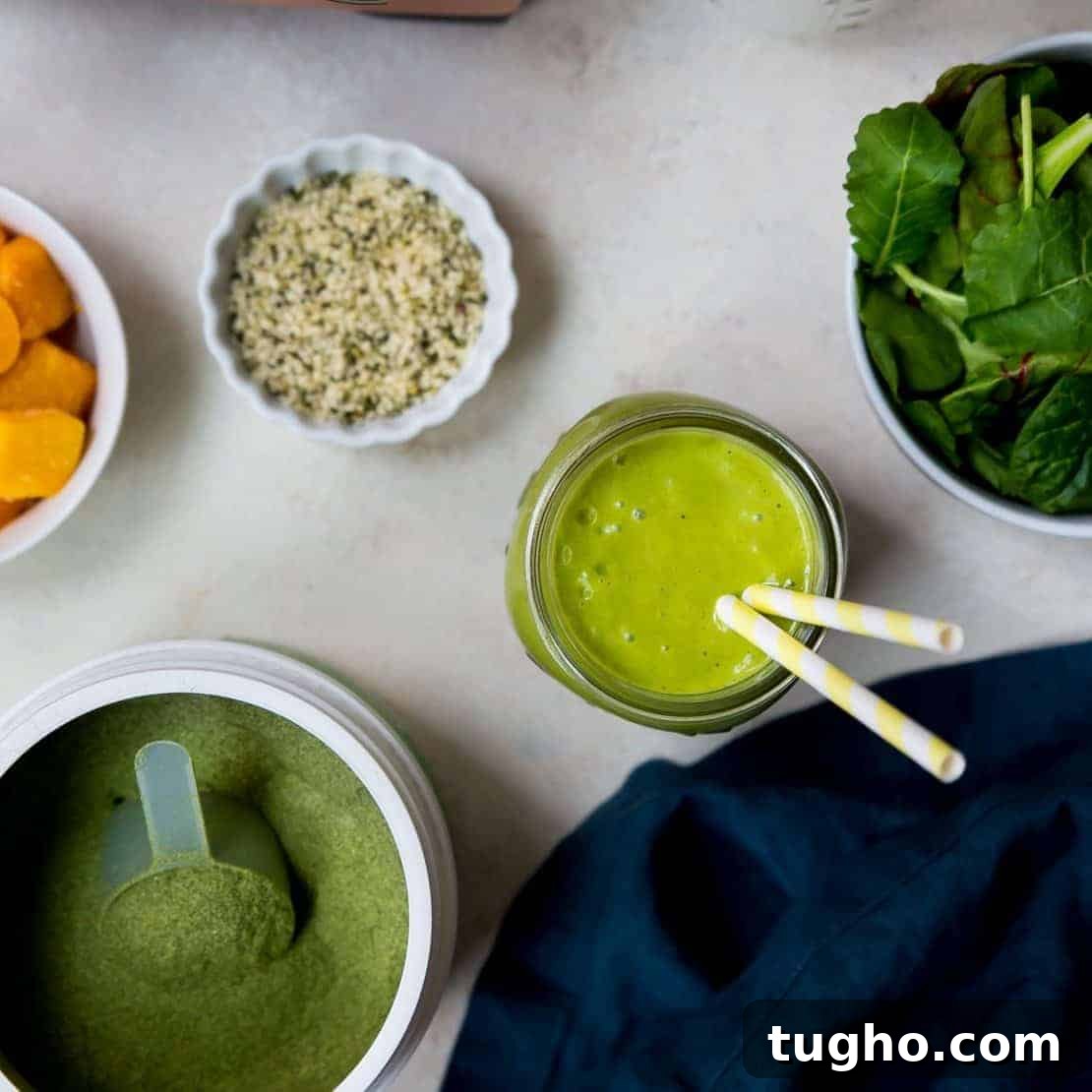
What is collagen and why has it suddenly become so popular? What are the proven benefits of adding collagen to your diet, and how does it differ from gelatin? Below you’ll find clear, practical information about both ingredients plus a selection of recipes to try.
This post was created in partnership with the team at Vital Proteins. I only recommend products I trust and use myself.
My first encounter with collagen was more than three years ago while I was experimenting with ways to improve my morning coffee routine. I enjoyed adding healthy fats, but I also wanted a reliable source of protein and other nutrients to make my breakfast more balanced.
As I dug into the topic, I repeatedly saw references to both collagen and gelatin. At first the terms sounded interchangeable, but they are not identical. After some research I started using these ingredients regularly and quickly noticed the differences.
Below is a straightforward comparison and an overview of the most commonly reported benefits.
Collagen vs. Gelatin
Although collagen and gelatin come from the same source—animal connective tissue—they behave differently in recipes and in the body.
COLLAGEN
Collagen peptides (also called collagen hydrolysate) are processed so their protein chains are broken into smaller peptides. The product is typically odorless, colorless and dissolves easily in both hot and cold liquids. Because the bonds between amino acids are broken, collagen peptides are usually easier to digest and absorb. Common amino acids in collagen include glycine and proline.
Practical tip: because collagen dissolves instead of gelling, it mixes smoothly into coffee, tea, shakes, smoothies and broths without changing texture.
GELATIN
Gelatin is produced by cooking animal bones, skin, and connective tissue. When that collagen is cooled it forms a gel. Powdered gelatin is simply dried and ground gelatin; when mixed with liquid and cooled it will set into a gel. This makes gelatin ideal for jellies, puddings, gummies, and some soups and stews.
Not all gelatin products are the same—commercially processed packets found in many supermarkets may be treated differently than minimally processed sources and may not offer the same nutritional value.
Remember: collagen dissolves in liquid, while gelatin gels when cooled.
Add collagen to: coffee, tea, bone broth, protein shakes and smoothies.
Add gelatin to: soups and stews, homemade bone broth, gelatin desserts, fruit snacks and gummies.
Health Benefits of Collagen and Gelatin
COLLAGEN
Athletic recovery: Collagen contains amino acids that support tissue repair and may help reduce inflammation, which can shorten recovery time after strenuous exercise or injury.
Sleep and cognition: Some research links certain amino acids found in collagen, such as glycine, with improved sleep quality and daytime alertness.
Bone and joint support: Collagen-derived amino acids can contribute to joint comfort and mobility.
Satiety and weight management: A typical serving of collagen powder provides protein that can increase feelings of fullness when added to morning beverages or snacks.
Digestive support: Collagen may help support the gut lining and support normal digestive function for some people.
Skin health: Collagen peptides are commonly used to support skin elasticity and hydration. Clinical studies have reported improvements in skin appearance in people who use collagen peptides consistently over time.
GELATIN
Protein source: Gelatin provides concentrated protein—about 6 grams per tablespoon—primarily in the form of the same amino acids found in collagen.
Joint and cartilage support: The amino acids in gelatin help support the structure of cartilage and connective tissues.
Skin elasticity: Gelatin can stimulate the body’s own collagen production, supporting skin health from the inside out.
Appetite control: Gelatin can help increase feelings of fullness and may assist with weight management efforts.
Digestive function: Gelatin absorbs and holds water, which can help with smooth movement of food through the digestive tract.
Wound healing and detox support: Amino acids such as glycine help support normal inflammatory responses and liver function.
WANT RECIPES?
To get the most benefit from supplemental collagen or gelatin, choose a high-quality product sourced from pasture-raised, grass-fed animals whenever possible. I personally prefer products from Vital Proteins for both collagen peptides and gelatin.
Below are some recipe ideas that work well with collagen and gelatin. These recipes showcase how flexible both ingredients can be, from beverages to desserts and snacks.
Blueberry Cream Pie by Get Inspired Everyday
Paleo Strawberry Marshmallows by The Movement Menu
Peppermint Marshmallows & Hot Chocolate by The Movement Menu
Mint Chocolate Avocado Freezer Fudge by Fit Mitten Kitchen
Luscious Lemon Tarts by The Savory Lotus
Gut-Healing Cinnamon Coconut Latte by The Real Food Dietitians
Post-Workout Green Smoothie by The Movement Menu
Paleo Acai Bowl by The Movement Menu
Cherry Lime Homemade Gummies by Paleo Running Momma
Gluten Free Raspberry Cream Pie by Paleo Gluten Free Eats
Boozy Maple Bourbon Marshmallows by The Feisty Kitchen
Paleo Chocolate Marshmallows by The Movement Menu
This post was created in collaboration with Vital Proteins. I appreciate the support that allows me to continue developing helpful, practical content. As always, opinions are my own.