If you’re on Pinterest or Facebook, I’d appreciate a pin or share—thank you!
Please note this is Part 1. I’ll follow up with a Part 2 to cover pattern names and makers for the items shown that aren’t Pyrex, along with more history.
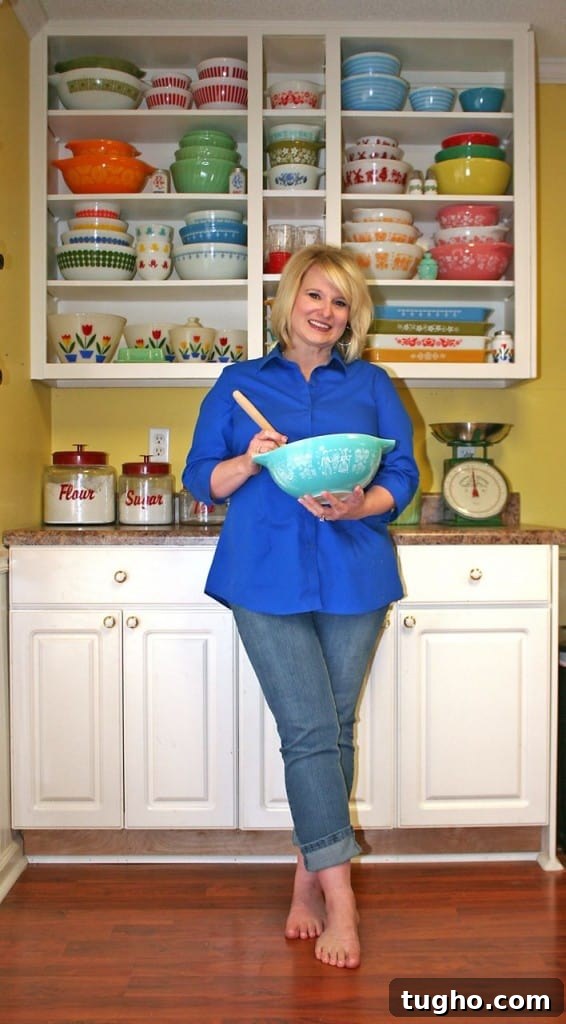
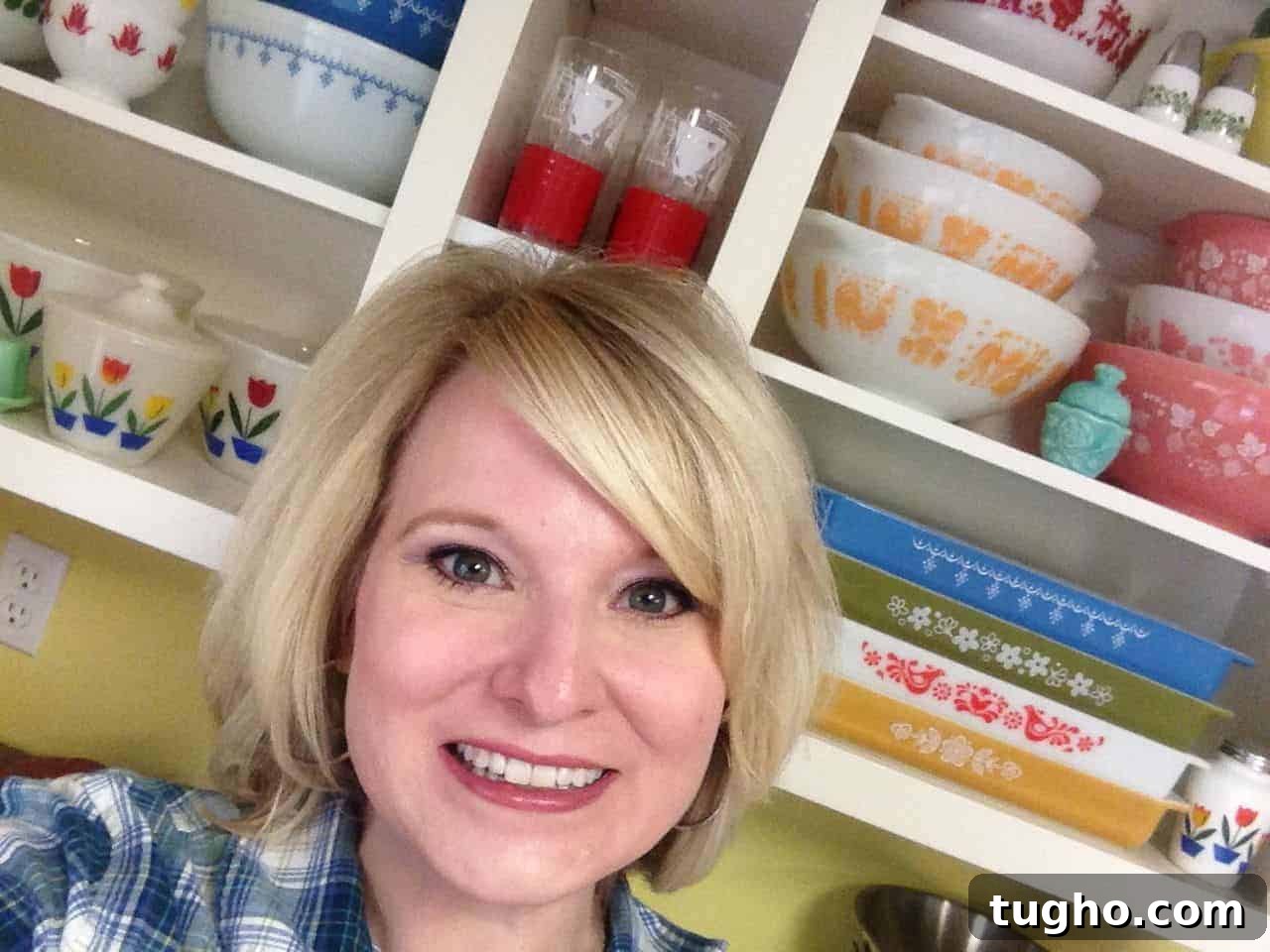
Okay—I’ll admit it. Earlier this week, while trying to organize my Pyrex across four different spots in the house, I kept finding empty places and bringing down a few more pieces. Five trips and many hidden caches later—drawers, shelves, boxes, under a guest bed, cabinets, stacked under tables from a photo shoot—I realized it was impossible to corral everything in one afternoon.
My husband looked at me and asked, “Do you think you have enough dishes?” For the first time, I nodded. Yes—I do.
Many of you responded enthusiastically when I shared photos on social media, so here are answers to the most common questions about why I collect vintage Pyrex, how I care for and display it, and a few storage and shipping tips.
Why do I buy vintage Pyrex?
1. It’s beautiful. Vintage Pyrex comes in many patterns and colors that are cheerful and charming. I don’t limit myself to Pyrex; I also collect milk glass, Fire-King, Hazel-Atlas, Federal Glass, and other vintage kitchenware.
2. It’s functional. Every piece you see has a purpose. I use these bowls and dishes regularly—especially when baking and photographing food.
3. It can be affordable. I hunt for deals at flea markets, thrift stores, auctions, and online. If you’re patient and shop around, you can often find a vintage piece with character for a price comparable to a new, uninspired dish.
Note: Modern Pyrex is made from different glass and behaves differently in heat than vintage Pyrex. I’m comfortable baking in glass that is several decades old, but I don’t trust some modern glassware to withstand the same use. I have had new baking dishes break unexpectedly.
Reader question: Where do you get all your Pyrex?
I find most pieces on eBay, at flea markets, thrift stores, and some have been passed down from my family and my husband’s family.
Reader question: How do you care for your vintage Pyrex? Mine gets dusty.
I never wash vintage glass in the dishwasher. A good rule: if dishwashers weren’t common when an item was made, it’s probably not dishwasher-safe. The harsh detergent and heat can dull finishes, leave a chalky film, or cause paint loss. Use your vintage pieces—if you use them often you won’t need to dust them.
How to display bowls without nesting them
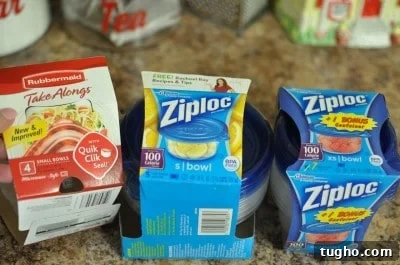
To display mixing bowls so they don’t nest and hide their patterns, use small nested plastic containers as risers. I use assorted small Rubbermaid or Ziplock food containers—some with lids, some without—to give just the right lift inside each bowl. Each plastic container has a slightly different height and diameter, so experiment until the pattern on each bowl shows as you want it.
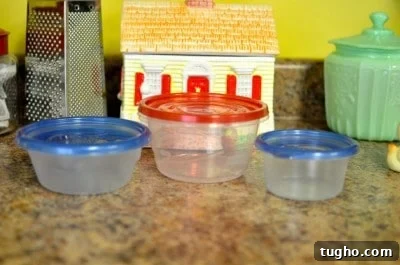
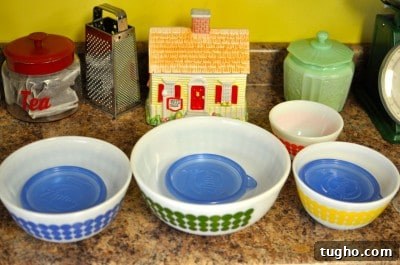
For smaller Cinderella bowls (the ones with handles), I often put a small container inside each bowl without the lid so they sit only an inch or so higher than the one below—this keeps the prints visible while maintaining a tidy stack.
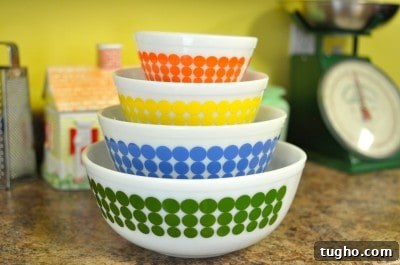
A couple of tips: if you buy a set on eBay, consider offering an extra few dollars to help the seller with packing. It can make a big difference in survival during shipping. Also collect a few riser sizes so you can display large sets gracefully.
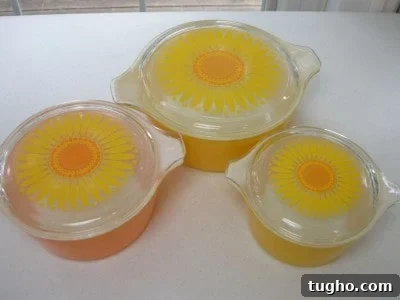
I love sunflower-pattern casseroles, though it’s hard to find them with lids. I use my vintage refrigerator dishes and casseroles for everyday tasks—marinating, mixing, baking—and they’re sturdy for regular kitchen use.
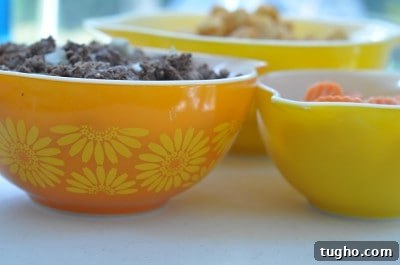
Patterns you might recognize in my casseroles include Snowflake Garland, Spring Blossom, Friendship, and Butterfly Gold. Some patterns, like Gooseberry Pink, are very popular and can be pricey—especially when pieces have been damaged by dishwashers over the years.
Kitchen addition: before and after
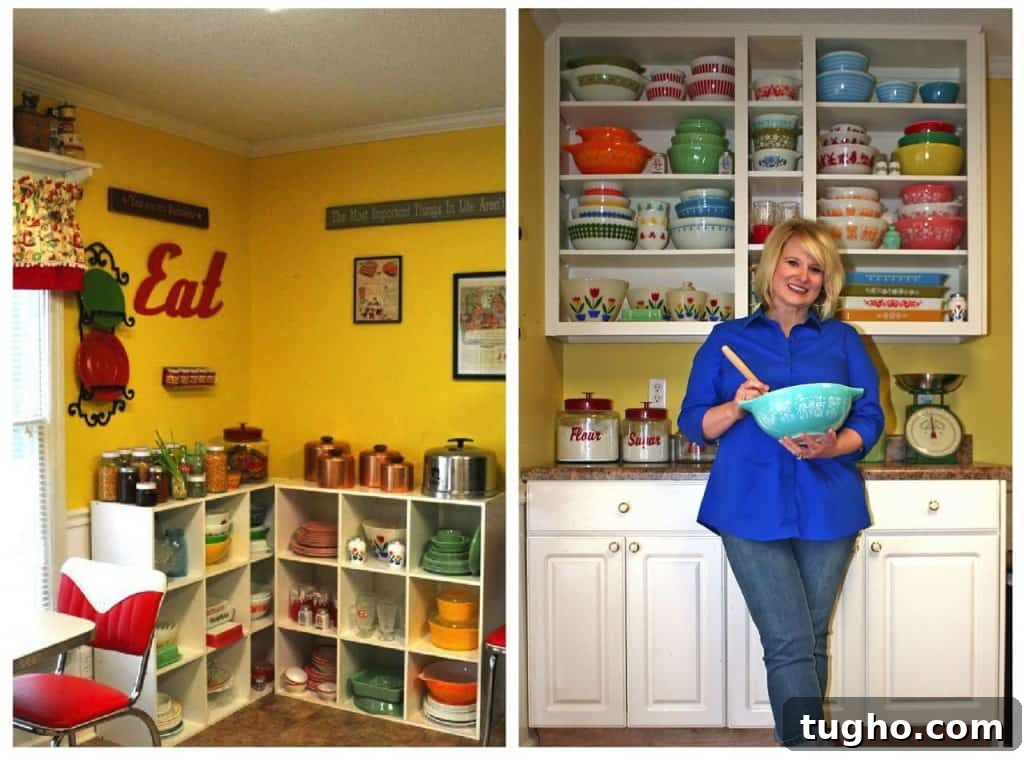
We reclaimed cabinets from a previous job and repurposed them to expand my kitchen display space. I matched the countertop with a piece of laminate and removed cabinet doors to create open display shelving. It’s practical for daily use and great for photo shoots—my coffee station sits near this area so people can fix coffee without stepping into my main workspace.
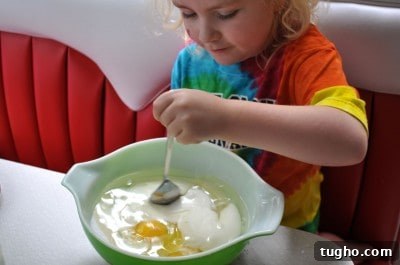
I also turned a sunroom into a 1950s-style diner corner with booth seating and diner-style tables purchased from a restaurant supply source. We use it for family meals and casual dining—perfect for the vibe I wanted without the cost of formal dining furniture.
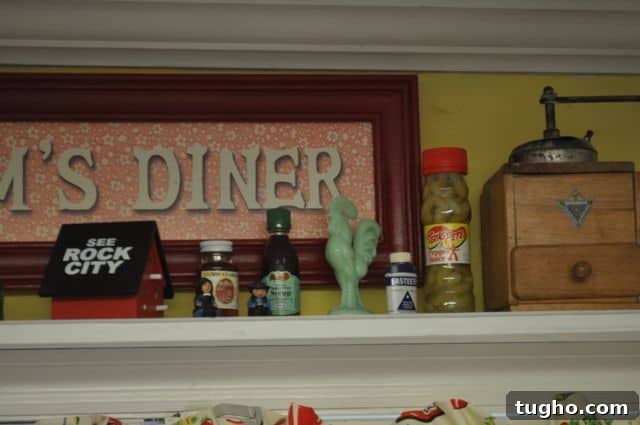
Our Pyrex gets a lot of use. I keep the fridge and pantry functional rather than perfectly styled. The shelves over my window hold a mix of collectibles and useful ingredients—everything there gets used.
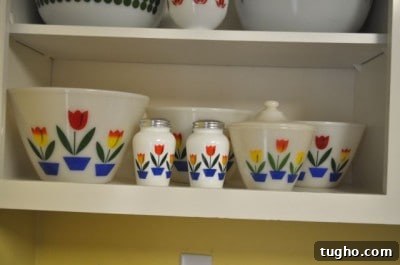
Fire-King pieces often turn up as promotional items or giveaways—jadeite and small promotional bowls were common in grocery and gas station promotions years ago. Some Fire-King tulip-pattern pieces are highly sought after; reproductions exist, but reproductions are usually solid (not milk glass) and easier to spot in person.
Other reader questions I hear often:
- Scale and decor: My little scale is a modern decorative piece purchased from a retail store; it’s fun and functional for light use.
- Curtains and sewing: My curtains were made by my mother from a “Fifties Kitchen” fabric. She also made a matching bag holder—these handmade touches add personality and vintage charm.
- Flour and sugar canisters: I customized plain canisters with spray-painted lids and vinyl lettering. They wear a bit with use, which I think gives them an authentic, lived-in look.
- Cookie jar: My little house cookie jar is a Nestle Toll House promotional item from the 1980s. It’s become a sweet collectible.
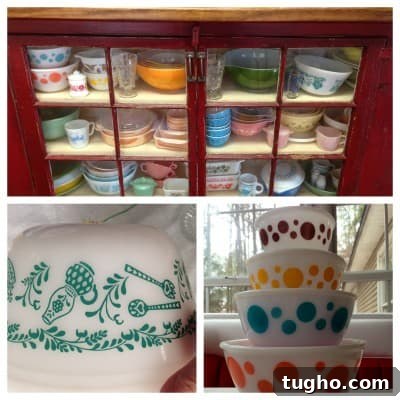
There’s more Pyrex tucked across the house—guest room, living room sideboard, even boxes still traveling for photo shoots. I recently learned about JAJ (Crown) Pyrex made in the UK—same material but different designs and sizes. The U.K. pieces are beautiful and a whole new rabbit hole of collecting.

If anyone wants to organize a field trip to hunt Pyrex in the United Kingdom, save me a seat—I’ll bring the coffee and some vintage bowls to share.