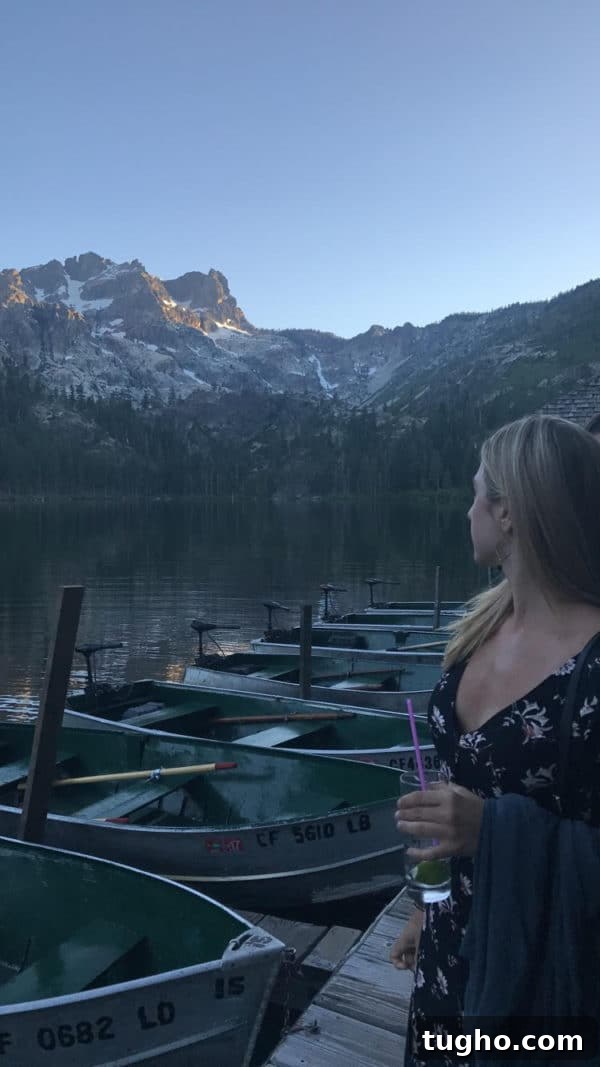
Social Media. Ugh.
We live in a strange moment where social media shapes what we share, how we present ourselves, and even how we feel. It decides the captions we write, the photos we take, and often the way we measure our days. Is this helping us connect, or is it quietly undermining our happiness? These are personal thoughts—part rant, part reflection. If it resonates, great; if not, feel free to move on. This is my space to unpack what social media culture feels like right now.
The number of likes on a picture or your following does NOT define you.
Scrolling through Instagram or Facebook can easily trigger the comparison trap. We see polished selfies, flawless outfits, and couples whose feeds radiate perfect joy—and it’s natural to wonder how much of that image is real. For many people social media has become less about sharing moments and more about showcasing an idealized life. Likes and follower counts can start to feel like currency: they reward us with attention, and that reward loop is addictive.
It’s easy to be pulled into this cycle. We post highlights, captions, and carefully edited photos because the positive feedback feels good. When someone comments, “That looks delicious!” or “You look beautiful,” it validates the effort and encourages us to keep posting curated content. Over time, that push for validation can create a version of ourselves that’s more about performance than authenticity. That pressure is especially visible for creators and part-time bloggers like me, who balance other work while trying to maintain an online presence.
Being a food blogger, for example, adds another layer of stress. You start to compare yourself to images of elaborate smoothie bowls, perfectly drizzled sauces, and artful plating, and wonder how much time and staging went into those shots. The urge to recreate that scene—down to the linen napkin and the light—can turn something joyful into a task. Social media can make simple pleasures feel like obligations to perform.
We don’t usually see the context around a post: the tough moments, the arguments, the fatigue, or grief. A single polished photo rarely tells the whole story. That curated view of life can skew expectations, influencing how people feel about their own everyday experiences.
Life is so so much more than this. More than a smoothie bowl with edible flowers on it and a perfectly placed linen napkin.
Sometimes you need a break from the endless scroll. Mindless browsing wastes time and energy, and it can leave you longing to be part of lives you’ll probably never meet in person. Managing social accounts—posting regularly, responding to comments, staying visible—gets exhausting. For many, social media is a business or a creative outlet, but it doesn’t have to define your self-worth or your schedule.
We’re raising a generation growing up in a beauty-obsessed, curated world. That can be worrying; kids and teens learn quickly to equate likes with value. The app that felt simple when it first launched can now shape identity and expectations, often in subtle ways.
It helps to remember why we share in the first place. Post because you want to capture a memory, not because you’re chasing a trend or a hashtag. Don’t let an algorithm decide which of your moments matters. Some memories are private, and some experiences are richer when you’re fully present rather than framing them for an audience.
“Much of being on Instagram is about projecting the best-version of your life that there is – a far cry for the much more messy reality.”
That quote resonates because it captures how effortless it is to present a polished highlight reel while hiding the messy parts of life. When you post, no one sees the argument before the photo, the bad mood, or the small griefs that shaped your day. A caption can shape a narrative, but it can’t replace the full context of a lived moment.
We all get the point: nobody’s life is exactly how it looks online. The challenge is to live more deliberately. Enjoy the moment. Choose what you share, and remember that your worth isn’t measured by engagement. Your best memories might be the ones you keep for yourself—far away from a screen and the pressure to perform.