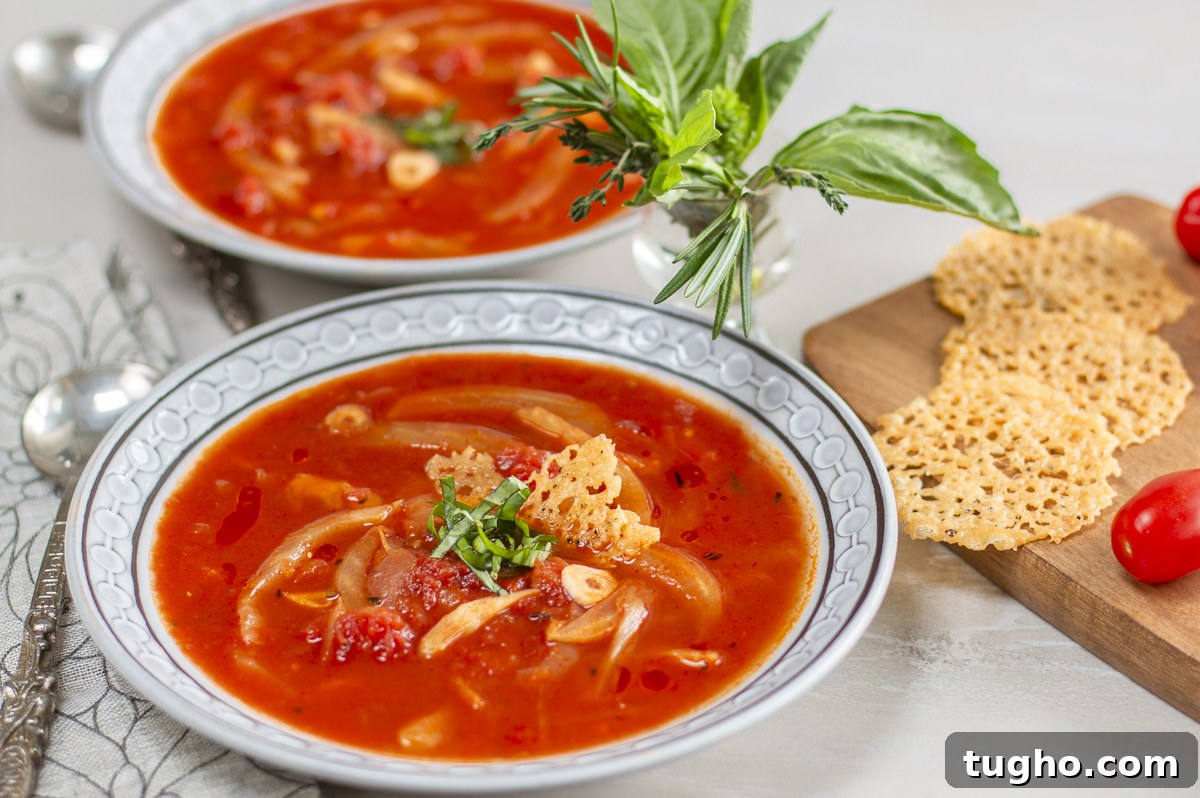
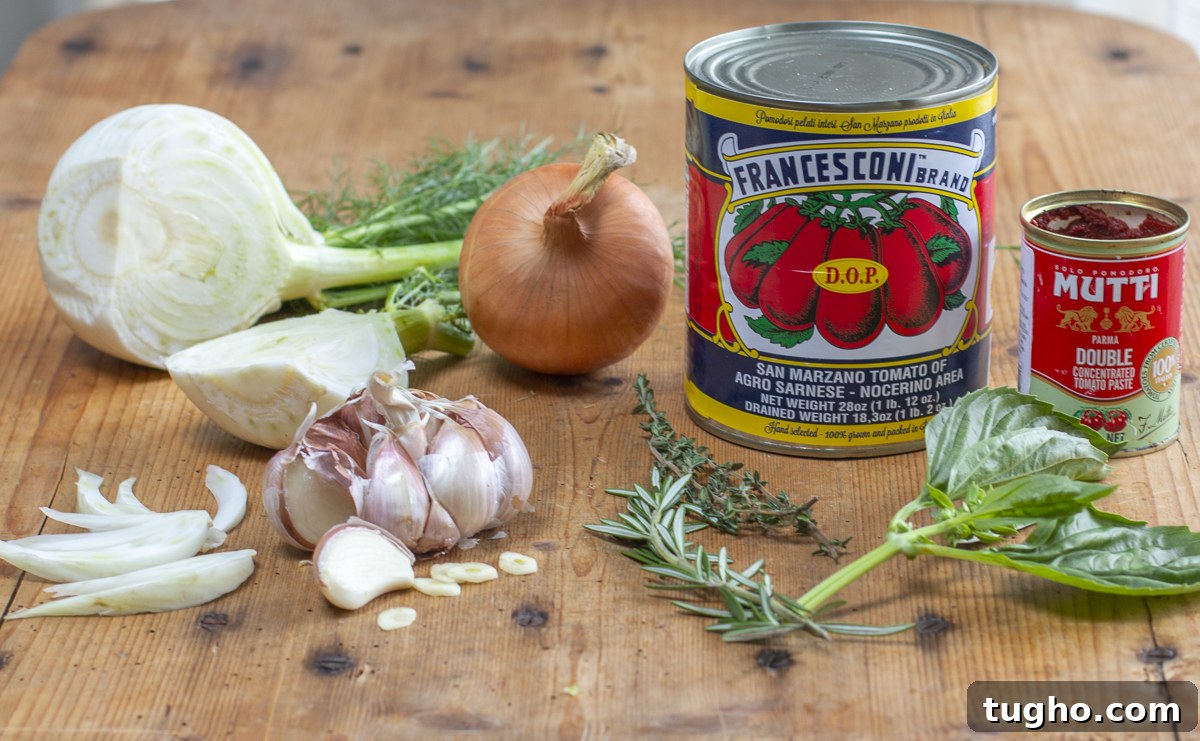
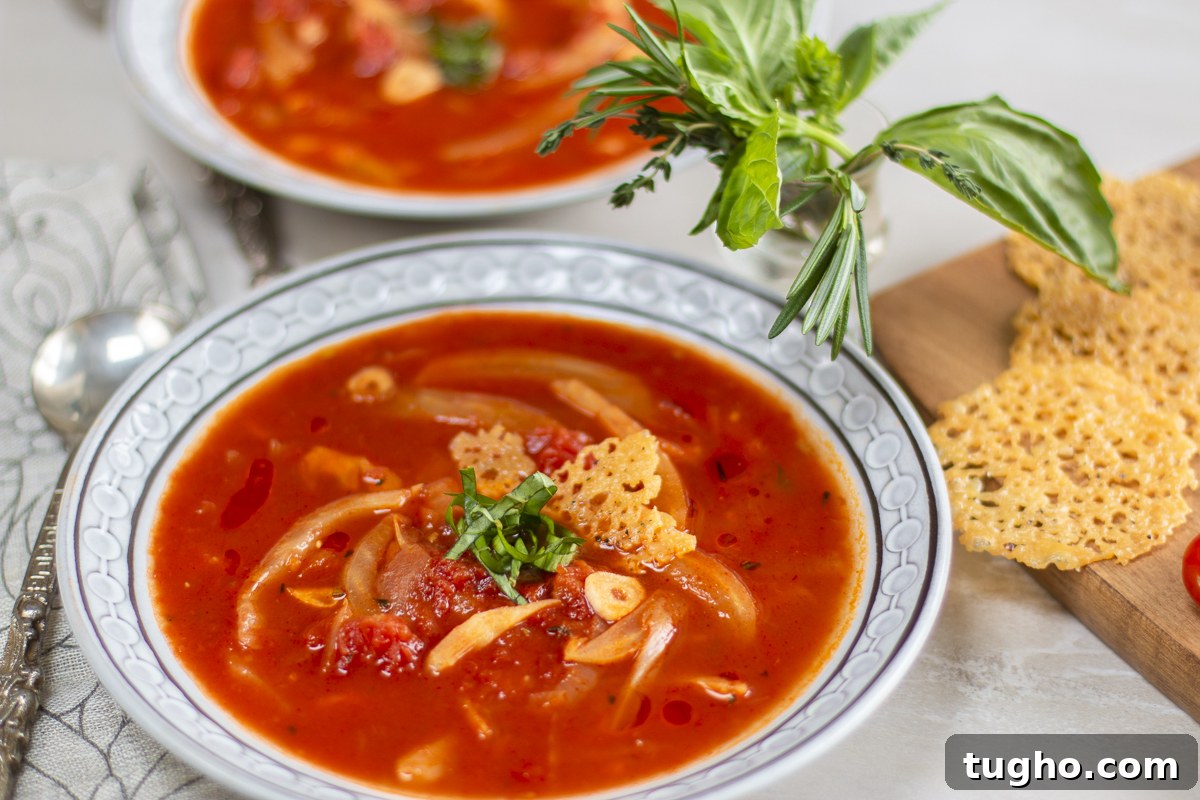
In the Mediterranean tradition, flavors are a balance of gentle and bold. Aromatic basil and fennel, both with subtle anise (licorice) notes, pair beautifully with sweet San Marzano tomatoes.
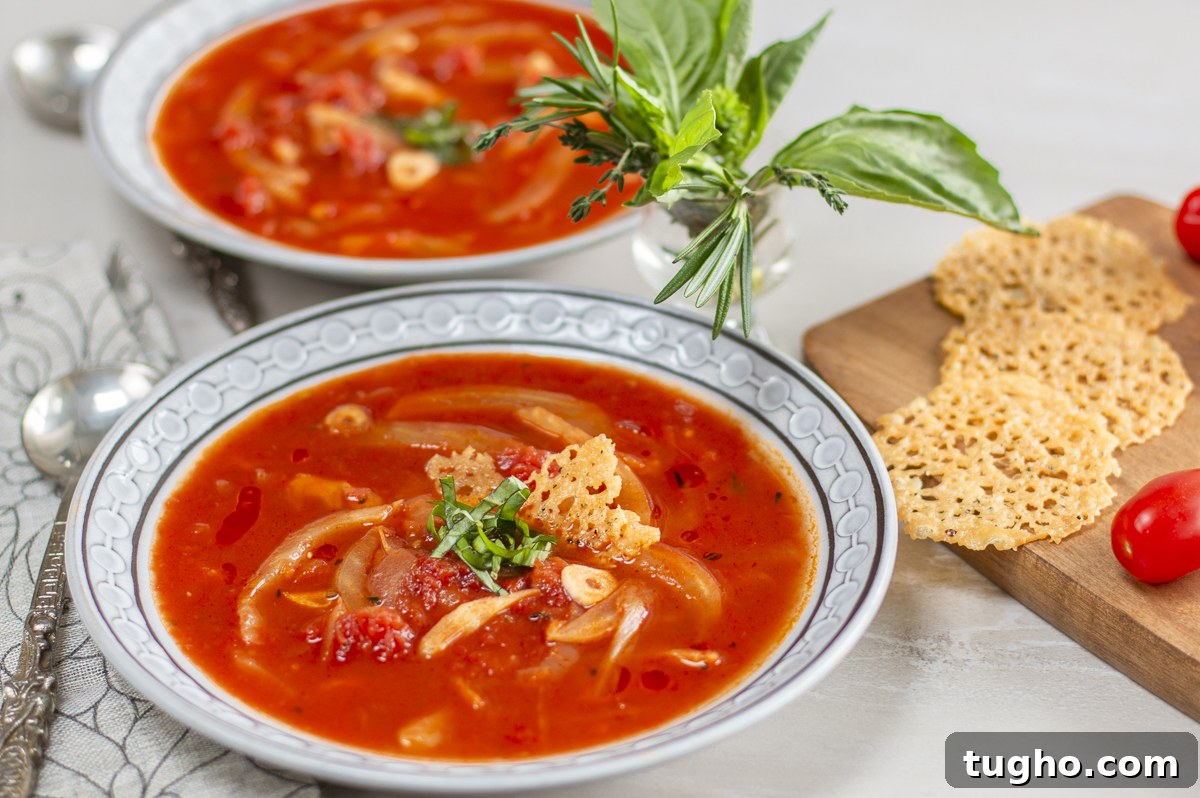
Soup making is about choosing the best ingredients and following a simple method to bring out their flavors.
Use the freshest ingredients you can find
Fennel: At its peak from autumn through spring, fennel is available year‑round. Its crunchy, slightly sweet bulb softens when cooked and adds depth to soups.
Tomatoes: In winter, canned Italian San Marzano tomatoes are an excellent choice. When available, use ripe plum tomatoes. San Marzano fruit has firm flesh, fewer seeds, and a sweeter, less acidic flavor—a great base for this soup.
Basil: Fresh basil—especially in summer—brings bright, aromatic notes. Chop or chiffonade the leaves to release their fragrance and fold them into the soup near the end of cooking.
I enjoy the soup with some texture left in it, though it also works beautifully pureed for a creamier finish.
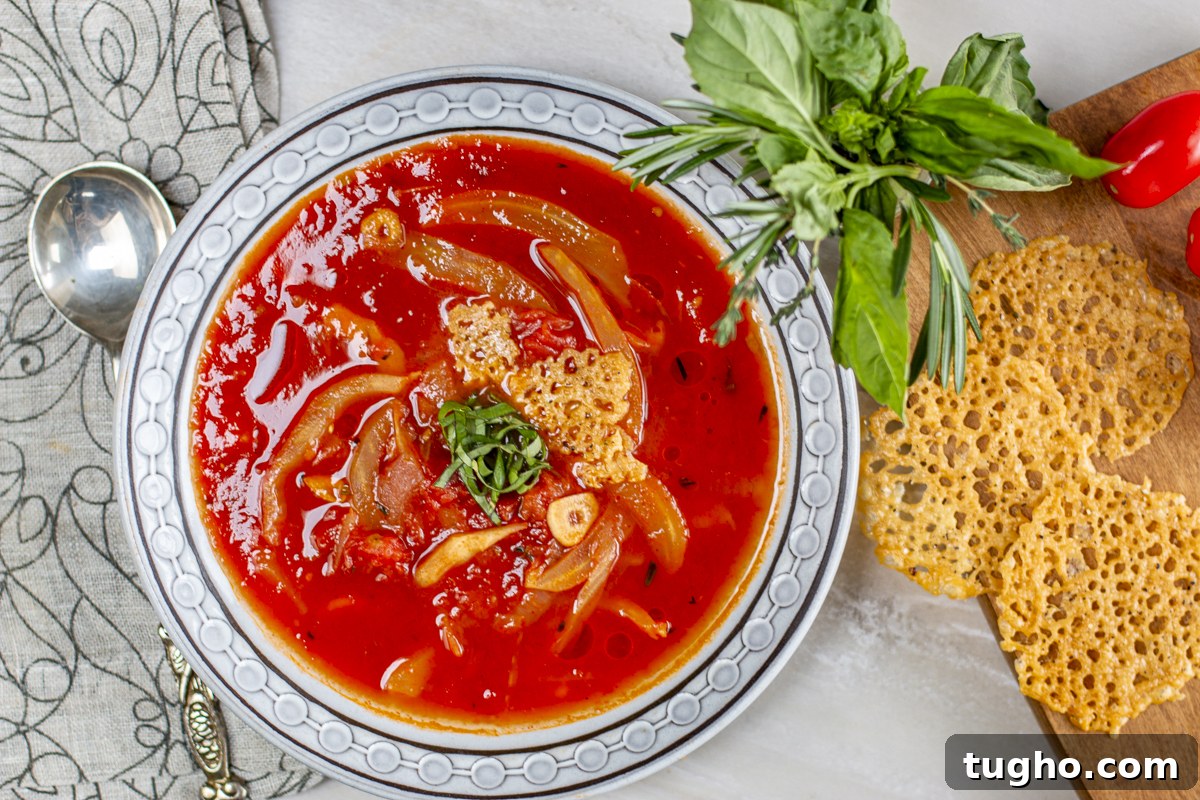
Method overview
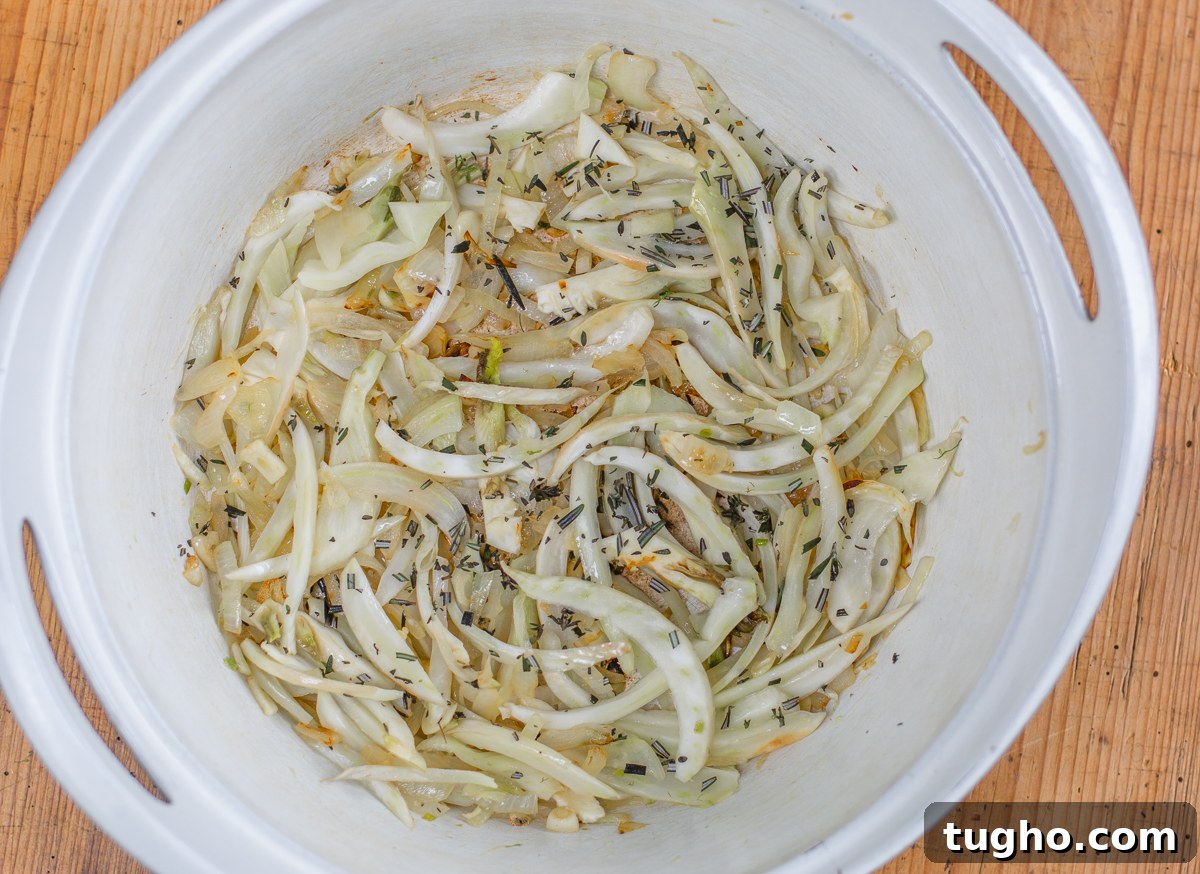
Different cooking techniques affect flavor and texture. Start by sautéing the fennel, onions, and garlic until they are just golden. This softens the vegetables and develops gentle caramelized notes that deepen the soup’s taste.
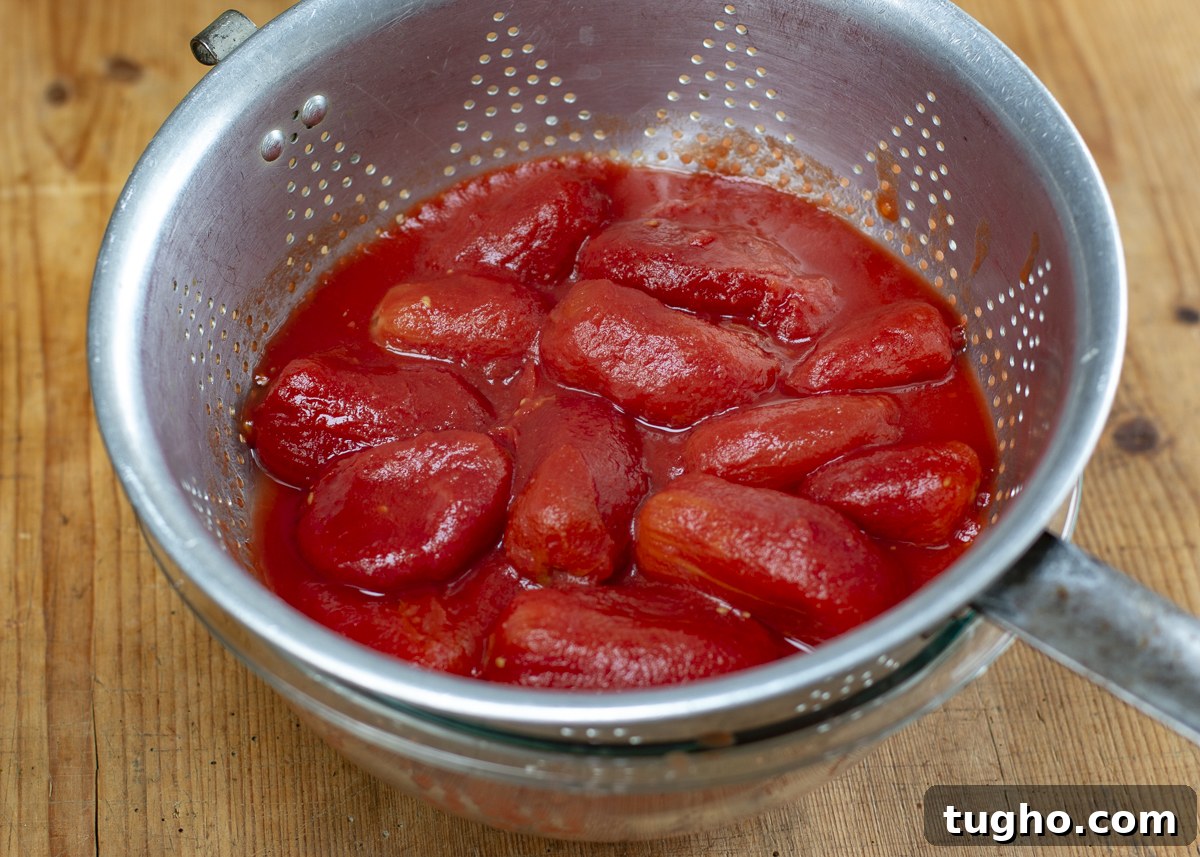
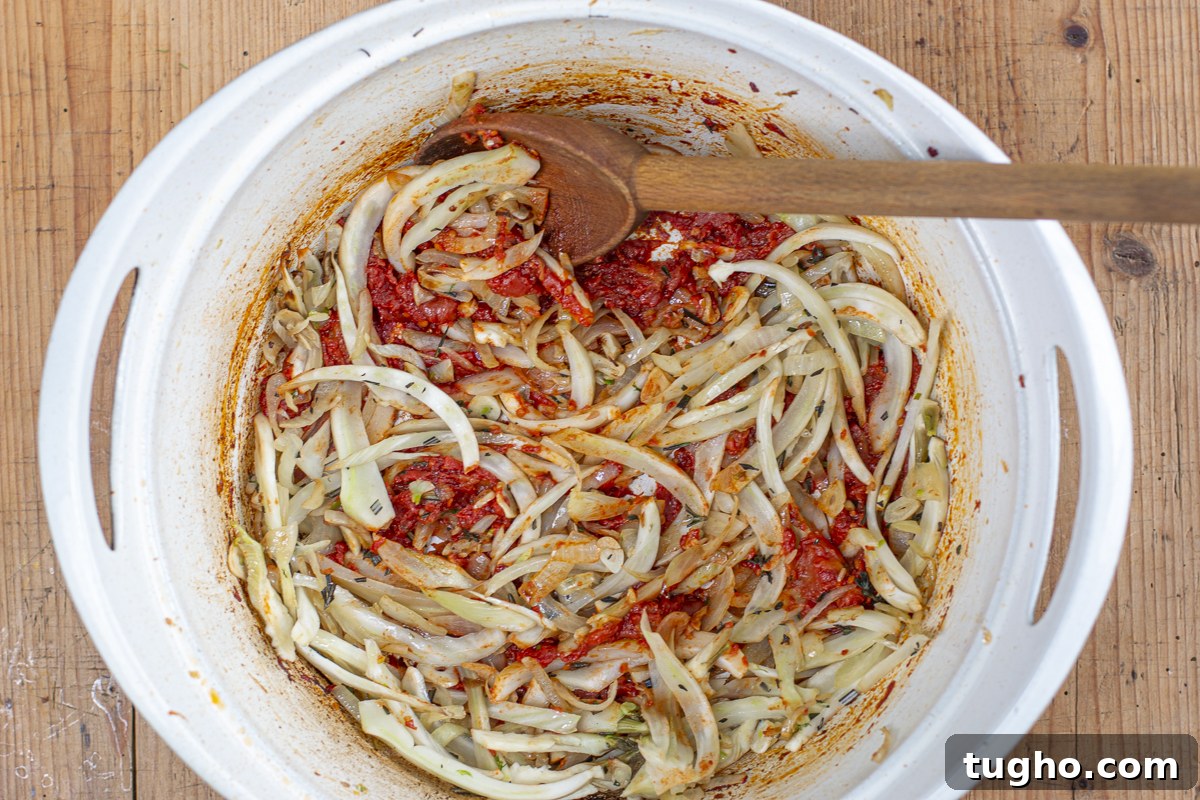
Remove the softened vegetables from the pan so you can cook the drained tomatoes over high heat. This concentrates their flavor and adds a roasted edge. Return the vegetables to the pan, add the reserved tomato juices and vegetable stock, then cover and simmer for about 25 minutes to meld the flavors.
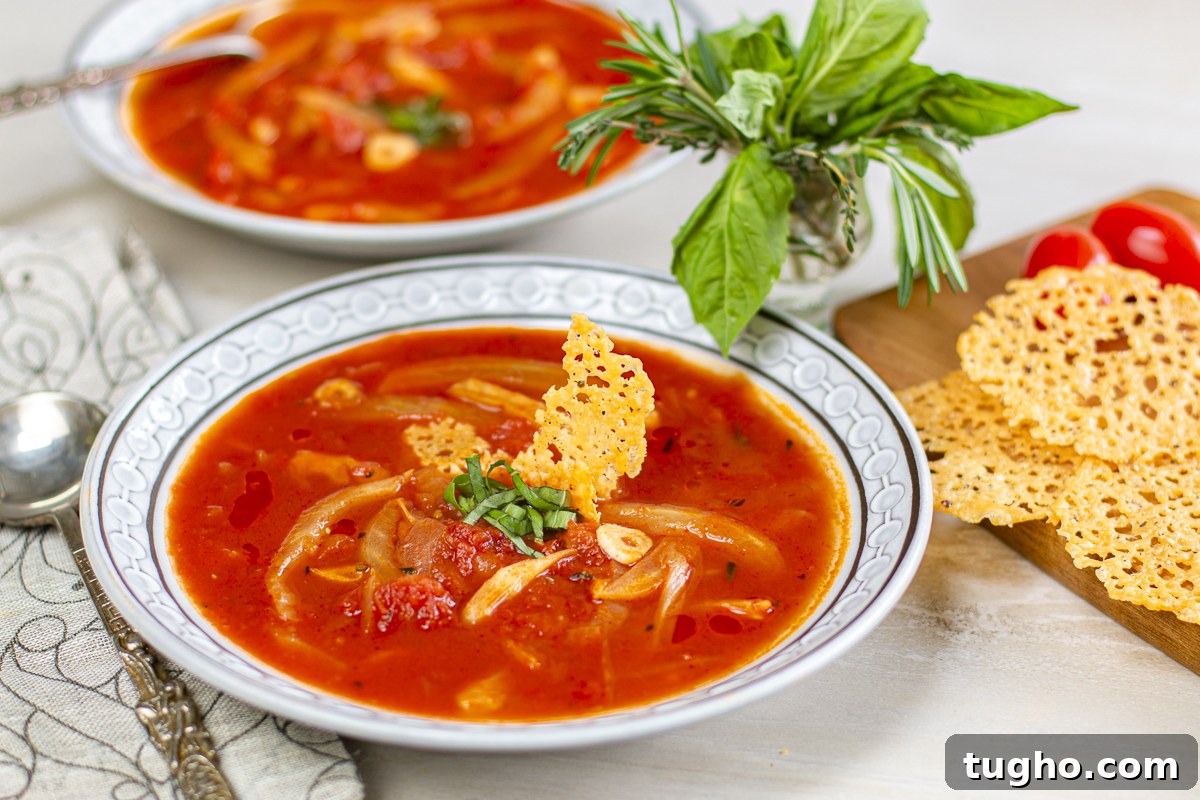
A sophisticated soup that’s simple to prepare
New to fennel? A few useful notes
Fennel is a cool‑season crop that shines from autumn through spring, though it’s sold year‑round. The bulb and stalks can be eaten raw or cooked; the feathery fronds make a fresh edible garnish. When cooked, fennel’s flesh softens and contributes a silky texture to soups and stews. Thinly sliced raw fennel is crisp and bright in salads.
Fennel and anise share a similar licorice flavor thanks to the compound anethole found in their seeds. Botanically related, fennel is a perennial while anise is typically grown as an annual and is usually used only for its seeds.
Cooking and uses: Slice, braise, grill, roast, fry, or stew fennel. It pairs well with tomatoes, citrus, fish, pork, and robust herbs like basil and oregano. The fronds are a pretty finishing touch to many dishes.
Nutrition and benefits: Fennel bulb is a nutritious vegetable, offering dietary fiber, potassium, calcium, and small amounts of iron and magnesium, along with B vitamins and antioxidants such as beta‑carotene and flavonols. Fennel seeds have a long history as a digestive aid, and fennel preparations are traditionally used to soothe indigestion and support digestion.
If you enjoy vintage finds, I purchased the burled bread board shown here from hausmodern.etsy.com — a source of mid‑century accessories and unique gifts.
Also see my SPECIAL SOUPS category on AzestForLife for more soup inspiration
Enjoy this flavorful tomato and fennel soup,
Karen