Cooking is full of small tools and techniques that make a big difference. Among them, parchment paper, baking paper, and wax paper each serve distinct purposes. Choosing the right paper for the job saves time, reduces mess, and improves results. Parchment paper resists heat and prevents sticking, while wax paper is moisture-resistant and ideal for wrapping and cold storage but should never be used in the oven. Understanding these differences helps you avoid mishaps and get the best outcome from your recipes. Read on for clear explanations, common uses, and safe substitutes for each type of kitchen paper.
Parchment paper and baking paper are the same product, just referred to by different names in different regions. The important contrast is between parchment (baking) paper and wax paper: parchment is oven-safe, wax paper is not. Using wax paper in an oven can cause smoke or even a fire.
What is parchment paper?
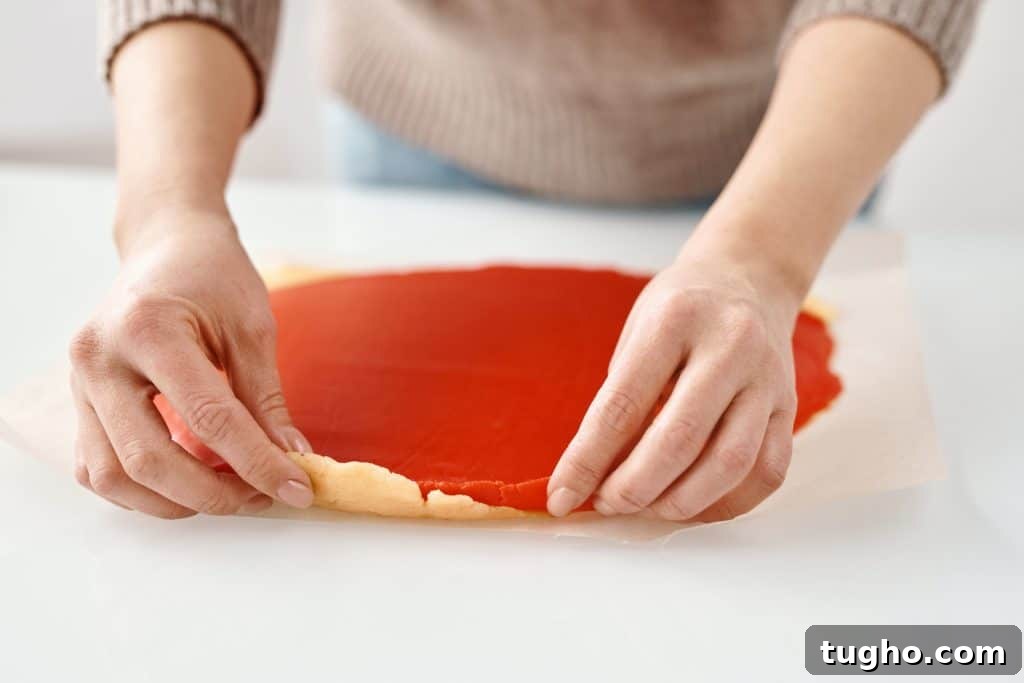
Parchment paper is a paper product treated with a heat-resistant coating, typically silicone. That coating creates a reliable non-stick surface and makes the paper suitable for use in ovens. The most common use for parchment is lining baking trays, cake pans, and pie pans to prevent baked goods from sticking and to make cleanup easier.
Using parchment is simple: line the pan, add the batter or dough, and bake. Leaving a small overhang of paper around the pan makes it easy to lift baked goods out once they cool. Parchment is also used for cooking en papillote, where food is sealed in a paper parcel and baked so it steams in its own juices.
Parchment paper is widely available in grocery stores and comes in unbleached brown and bleached white varieties. Pre-cut sheets and rolls are sold for convenience.
Uses for parchment paper
Common uses include:
- Lining cake pans, cookie sheets, and baking trays
- Cooking en papillote (sealed paper parcels)
- Creating collars or parchment cones for precise piping or baking
- Catching drips or crumbs to simplify cleanup
What is the difference between parchment paper, baking paper, and wax paper?
Baking paper is simply another name for parchment paper. The key distinction to remember is that parchment (baking) paper is heat-resistant and safe for oven use, while wax paper is coated with wax and not suited for high temperatures. Using wax paper in a hot oven can result in melting, smoke, or flames.
Parchment paper vs wax paper
Both parchment and wax paper offer a non-stick surface, but they are coated with different materials. Parchment is usually silicone-coated, which resists heat and prevents sticking during baking. Wax paper is coated with wax such as paraffin, which repels moisture and is useful for wrapping or protecting food during cold storage and preparation. Wax coatings are not heat-resistant and can ignite or melt under oven temperatures.
Because parchment is not as moisture-resistant as wax paper, it’s less suitable for long-term cold storage. For wrapping sandwiches, cheese, or dough intended for refrigeration or freezing, wax paper does a better job at keeping moisture out.
What is wax paper?
Wax paper is paper coated with a thin layer of wax, making it moisture-resistant and useful for wrapping foods for short-term storage. It prevents items from sticking together and helps protect foods from air exposure in the refrigerator.
Wax paper is commonly used to wrap cookies, bread dough, cheese, and sandwiches. It’s also useful as a disposable surface for messy tasks like rolling out dough or coating foods in crumbs.
Uses for wax paper
Main uses include:
- Wrapping foods for cold storage or transport
- Lining surfaces when rolling or shaping dough
- Protecting counters during messy prep work
- Presenting or packaging foods attractively
What are good substitutes for parchment paper and wax paper?
If you run out of the right paper, common kitchen items can step in. Some options are suitable substitutes for parchment in baking, while others work better for the wrapping and storage tasks typically handled by wax paper.
Parchment paper substitutes
Never substitute wax paper for parchment in the oven. If you don’t have parchment, consider these alternatives:
Grease the pan
The traditional method is to grease and flour pans. Butter, oil, cooking spray, or even rendered fat will prevent sticking for many recipes. After greasing, dusting lightly with flour or cocoa powder for chocolate cakes helps release baked goods cleanly.
Aluminum foil
Aluminum foil can be used to line baking sheets or pans when parchment isn’t available. Foil does not have non-stick properties, so coat it lightly with butter or oil to prevent sticking. For some delicate baked items, foil is not ideal because it conducts heat differently than parchment.
Silicone baking mats
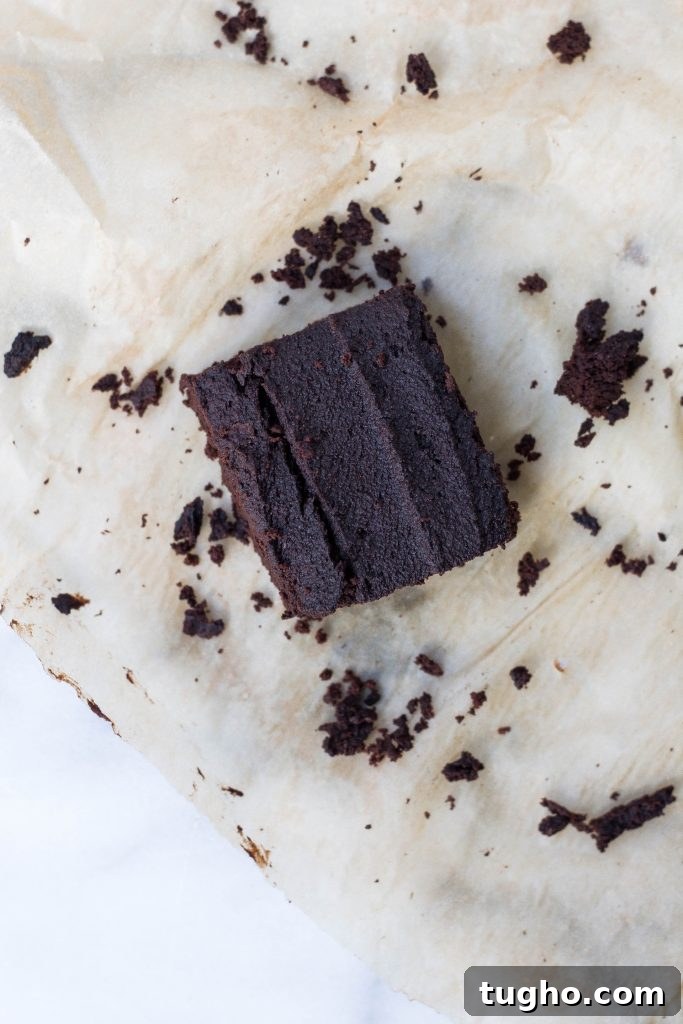
Silicone baking mats are reusable alternatives to parchment. They provide a non-stick surface, withstand oven temperatures, and are popular in both home and professional kitchens for frequent bakers.
Silicone rubber molds
Silicone molds are another reusable option for shaped cakes, muffins, and other baked goods. They eliminate the need for disposable paper in many applications.
Wax paper substitutes
For wrapping and cold storage, these alternatives work well if you don’t have wax paper:
Parchment paper
Parchment can substitute for wax paper in many wrapping tasks, though it won’t keep foods quite as moisture-resistant as waxed paper. It’s fine for short-term storage or gift presentation when oven resistance is not needed.
Aluminum foil
Foil is a practical option for keeping food fresh in the refrigerator or freezer. It seals well and protects against freezer burn, though it may not be as attractive for presentation.
Freezer paper
Freezer paper, coated on one side with plastic, is a strong choice for freezing meats and other items. It offers superior protection for long-term cold storage and is often used when added durability is required.
Plastic wrap
Plastic wrap clings tightly and seals well for short-term storage. It’s handy for keeping items airtight in the refrigerator, though it is less sturdy than wax paper and has environmental drawbacks.
Also
For oven safety, always confirm a paper product is labeled as oven-safe before placing it in high heat. Using the wrong material can cause melting, smoke, or fire. When in doubt, choose parchment or a reusable silicone mat for baking, and save wax paper for wrapping and cold storage.
Hope this was helpful!
Love,
G.
Related Posts
Applebee’s Beer Cheese Recipe

Chopped Frozen Onions?
John Wayne Casserole in a Slow Cooker
How Long Can Cream Cheese Sit Out?