I don’t eat too much rice or pasta during Ramadan because they can leave me feeling too full before I get to enjoy other dishes, but when I do make rice it has to be something special. That’s why I love risotto, the Italian rice dish made with creamy, starchy arborio rice.
Risotto can seem intimidating because it’s often finished with cream and Parmesan cheese, but with a few simple techniques you can produce a light, fluffy and creamy result every time. The goal is a balance of creamy texture and toothsome grains—each kernel should be tender yet slightly al dente. Once you learn this method, you’ll keep arborio rice in the pantry for any last-minute side or weeknight dinner.
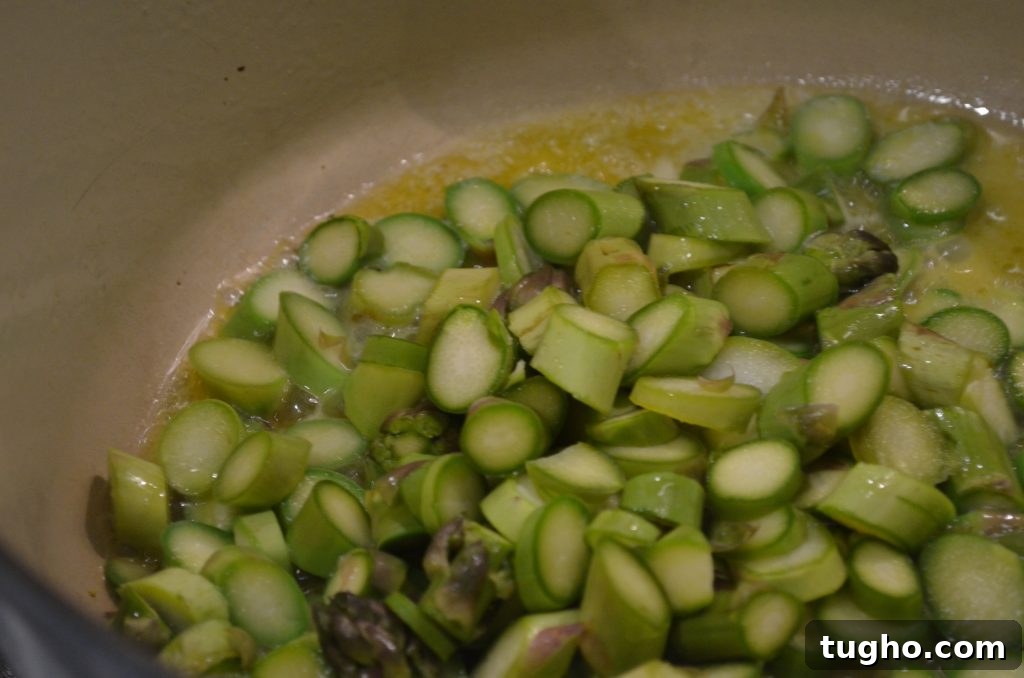
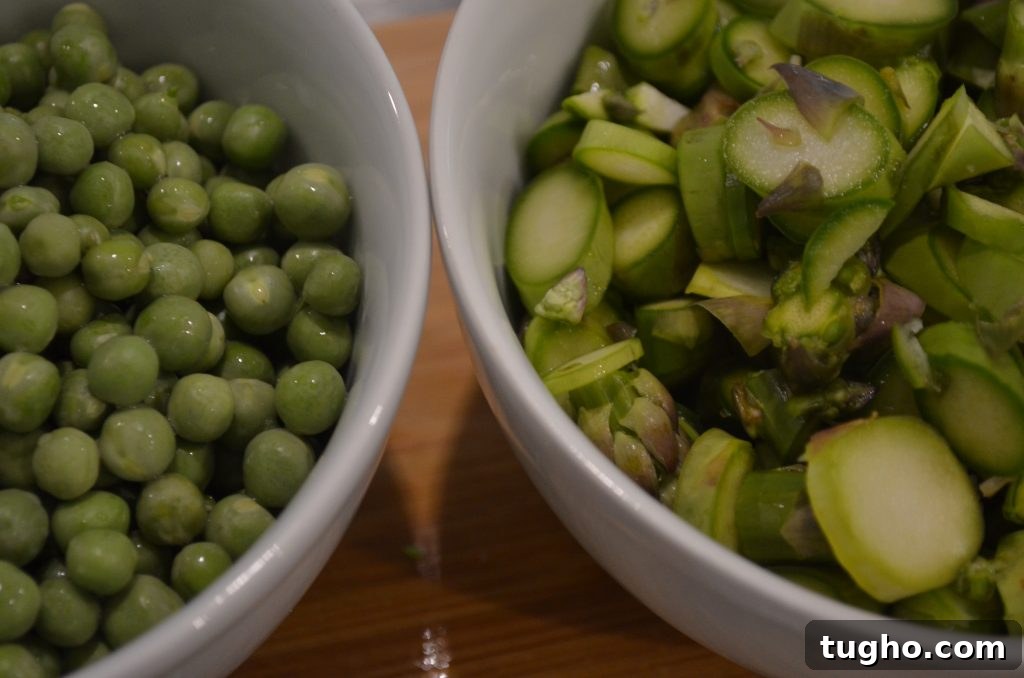
For this version I used cut asparagus, which cooks faster, and sweet green peas. The recipe came out of my usual approach: sometimes I follow a family recipe, and other times I open the fridge and build a dish around what’s available. This risotto is a little bit of both—rooted in comforting technique, shaped by fresh ingredients I had on hand.
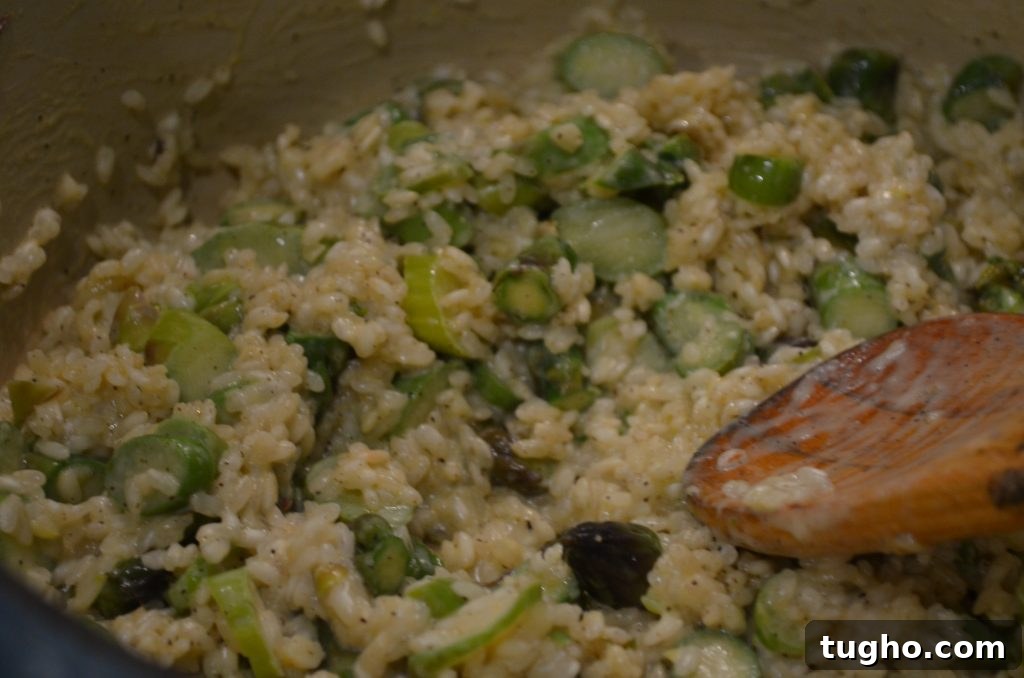
Choosing vegetables that complement each other makes a big difference. Asparagus adds a bright, slightly bitter note and a pleasant crunch when cut and added near the end, while peas bring sweetness and color. You can adapt the same method with mushrooms, spinach, roasted butternut squash, or shrimp—risotto is incredibly versatile.
The key to a great arborio rice risotto is how you manage the stock and the final resting step. Use warm stock—vegetable or chicken—to slowly add flavor and coax out the rice’s starch. Spoon in the liquid a ladleful at a time, allowing the rice to absorb most of it before adding more, and stir gently but consistently to encourage a creamy emulsion.
If you want more savory depth, use a light chicken stock or homemade broth. That adds nutrients and a rounder flavor profile without overpowering the vegetables. Taste as you go and adjust seasoning near the end, remembering that Parmesan will contribute saltiness when you add it.
The finishing step matters. Once the rice is cooked to the right texture, remove the pot from the heat and let it sit, covered, for a few minutes so the residual steam finishes the cooking. This brief rest helps the grains settle and achieve the ideal texture. If you plan to stir in Parmesan, add it toward the end and fold it in gently so the cheese melts evenly into the risotto.
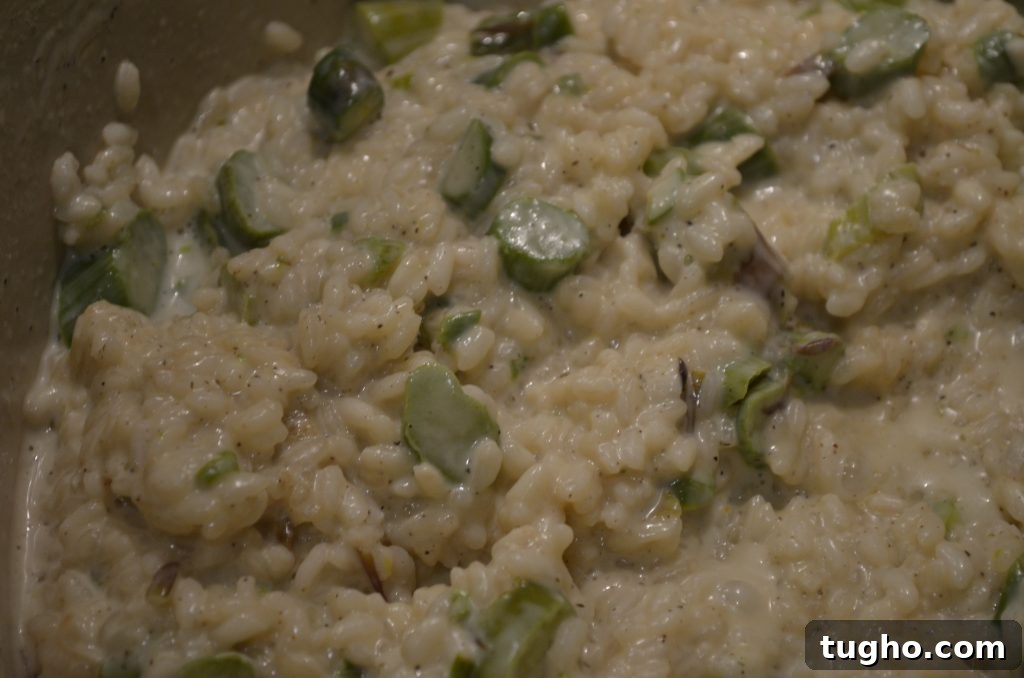
Because risotto is effectively a one-pot meal, it can serve as a satisfying main course or as a refined side. A vegetable-forward risotto like asparagus and pea makes a light main for iftar or a comforting side at lunch. Serve it simply with a final drizzle of good olive oil, a grind of black pepper, and a sprinkle of fresh herbs if you like.
Once you master these techniques—warming the stock, adding liquid gradually, stirring to create creaminess, and letting the rice rest—you’ll find that risotto is approachable and reliably delicious. It rewards small attention rather than complicated steps. Keep arborio rice on hand, experiment with seasonal produce, and you’ll have a go-to dish that’s elegant enough for guests and simple enough for a weekday meal.