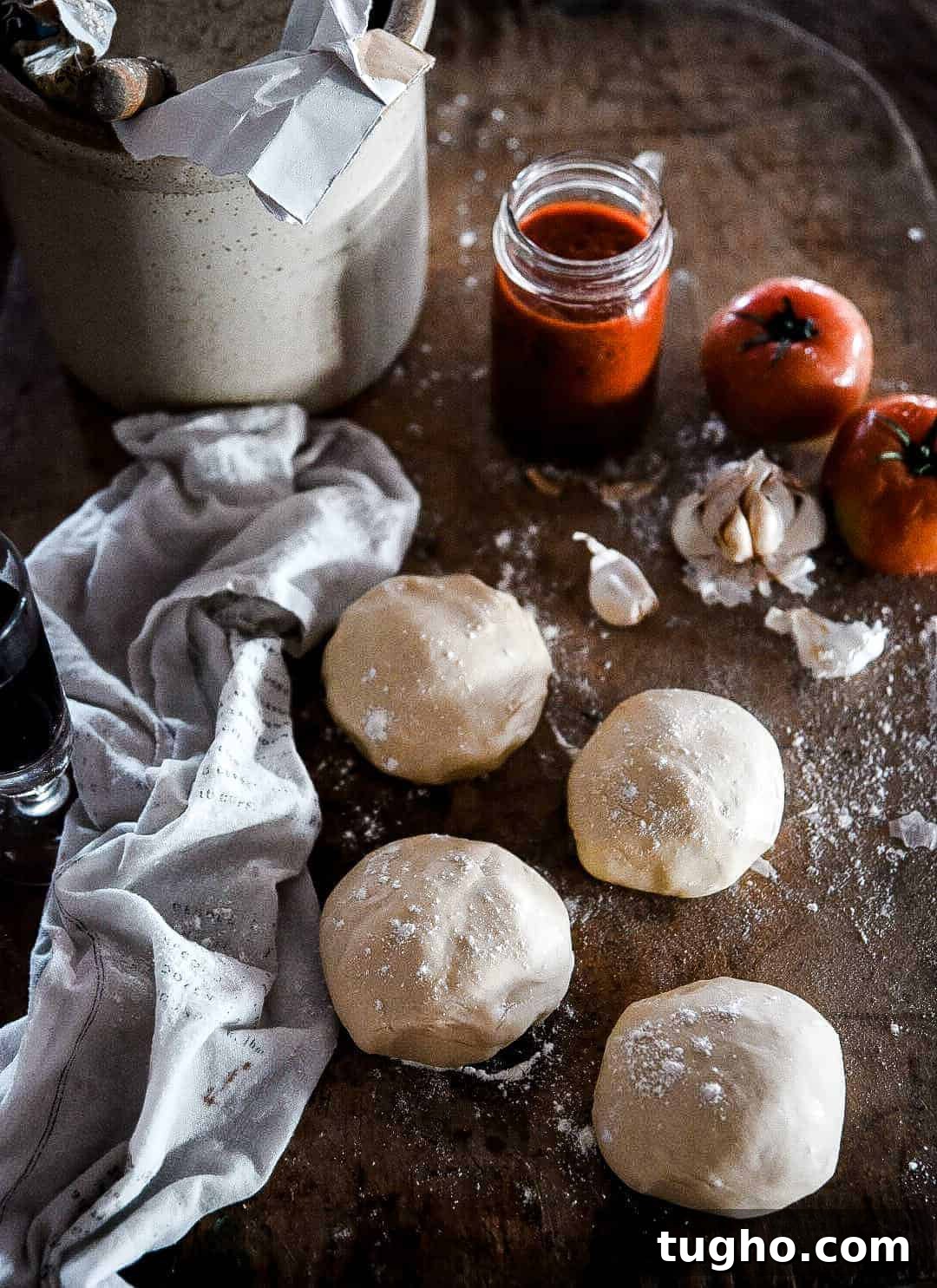
Making pizza from scratch is a fun family activity, and homemade dough is surprisingly simple. With just a few pantry staples you can make a light, flavorful crust at home.
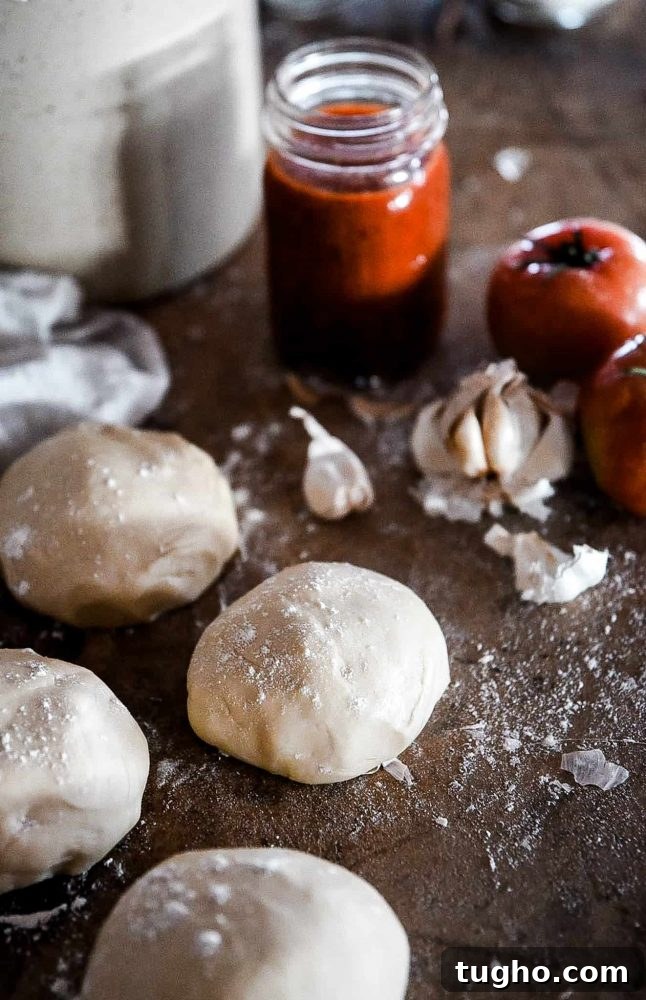
Homemade Pizza Dough
If you’ve never made pizza dough before, you’ll be pleasantly surprised at how easy it is. Homemade dough is economical and customizable — you can stretch it thin for a crisp crust or leave it a little thicker for a chewier base. The basic recipe uses flour, yeast, water, a little olive oil and salt. No milk, eggs, or sugar required.
Table of Contents
- Homemade Pizza Dough
- Making your Own Pizza Sauce
- What sauce is best for homemade pizzas?
- What toppings are best for homemade pizzas?
- Homemade Pizza Dough Ingredients
- How to make homemade Pizza Dough
- Homemade Pizza Dough FAQs
Traditional pizza dough needs only a few ingredients: flour, yeast, warm water, olive oil, and salt. If you don’t have olive oil, the dough will still work — the oil simply adds a bit of tenderness and flavor. For the lightest texture, use 00 flour if available; all-purpose flour yields excellent results too.
Making your Own Pizza Sauce
Homemade sauce is easy and brightens the whole pizza. A simple tomato sauce made from crushed tomatoes, garlic, salt and herbs is ready in minutes and pairs perfectly with this dough. Pesto or a light olive oil-and-garlic base are also great options for a different flavor profile.
What sauce is best for homemade pizzas?
This dough works with almost any sauce. Try one of these bases depending on the style you want:
- Classic tomato sauce made from canned or fresh tomatoes
- Pesto (basil or arugula-based)
- Alfredo or white sauce for a richer pizza
- Barbecue sauce for a smoky, sweet pizza
- Simple olive oil with garlic and herbs for a minimalist pie
What toppings are best for homemade pizzas?
Fresh, high-quality toppings make a big difference. Freshly shredded cheeses and seasonal produce will elevate homemade pizza more than pre-shredded blends. Here are some tasty combinations to try:
- Pear, arugula, Pecorino Romano, bacon bits and a drizzle of honey
- Italian sausage, chili flakes, fresh mozzarella and a little olive oil
- BBQ chicken, avocado, roasted corn and mozzarella
- Fresh burrata, heirloom tomatoes and a drizzle of extra virgin olive oil
- Mushrooms, onions, tomatoes, Parmesan and Pecorino

Homemade Pizza Dough Ingredients
- Flour – 00 flour yields a finer, lighter crust, but all-purpose flour works well.
- Active dry yeast – helps the dough rise and develop flavor.
- Warm water – dissolves the yeast (about 105–110°F / 40–43°C).
- Olive oil – optional, for tenderness and flavor.
- Coarse salt – enhances the dough’s flavor.
How to make homemade Pizza Dough
- Combine the yeast and warm water in the bowl of a stand mixer and stir to dissolve. Let it rest for about one minute.
- Add the flour, salt and olive oil.
- Attach the dough hook and knead on medium speed for 8–10 minutes until the dough feels soft and silky. If it’s sticky, add a little more flour.
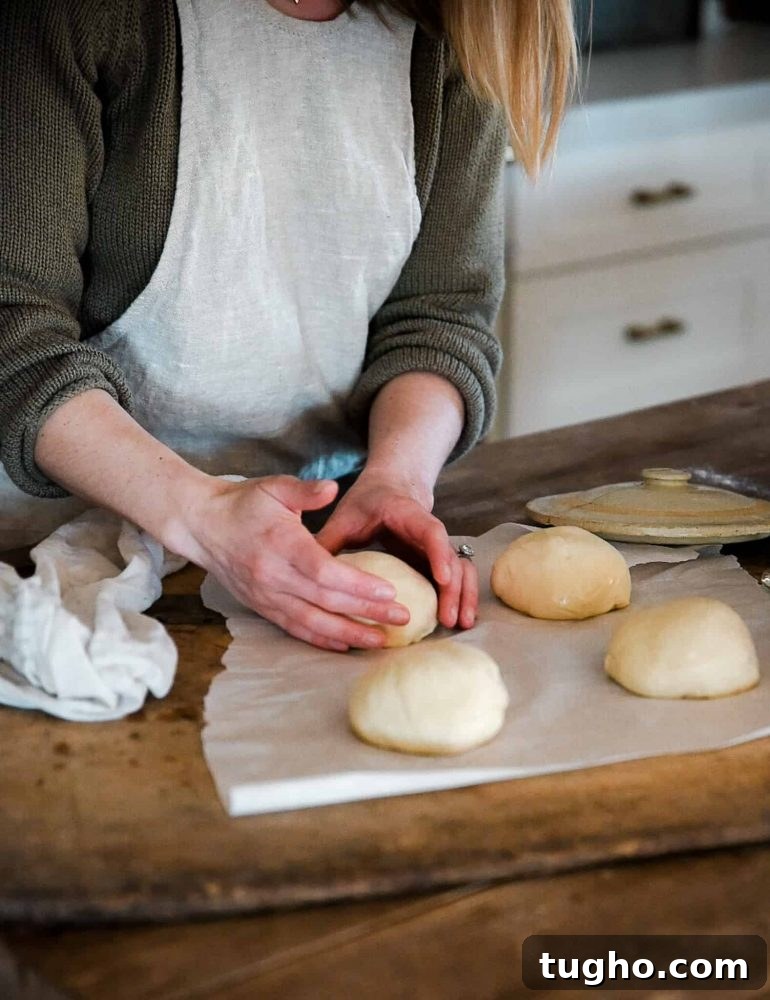
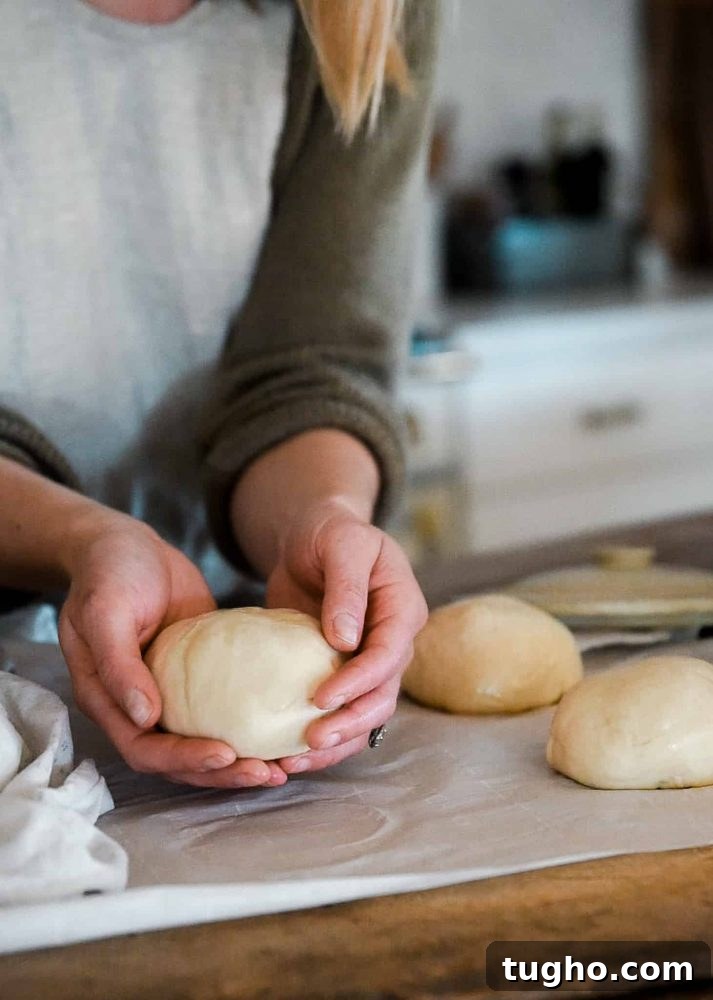
- Divide the dough into four equal balls and place each in a small bowl or on a tray.
- Smooth the top of each ball and brush lightly with olive oil.
- Cover with a clean towel and let rise in a warm spot for 1–2 hours, until doubled in size.
- Stretch or roll each ball into a 10″ disc about 1/4″ thick, transfer to your baking surface, top as desired and bake at 425°F (220°C) for 10–15 minutes, until the crust is golden.
This dough is forgiving and easy to work with by hand if you don’t have a mixer. It also benefits from extra time: making it a day ahead and refrigerating the dough will deepen the flavor.
Tip: For best flavor, prepare the dough a day ahead. Refrigerated dough keeps and improves in taste for a day or two.
Homemade Pizza Dough FAQs
00 flour produces a finer, lighter crust and is preferred for traditional Italian-style pizzas. All-purpose flour is a great, readily available alternative that still yields excellent results.
Store dough in an airtight container or a zip-top bag. If refrigerating for a day or two, let the dough rise first, then transfer to the fridge. Leave some room for expansion and separate dough balls with parchment if needed. The dough often tastes better after a day in the fridge.
Yes. After the dough has risen, form individual dough balls, wrap them tightly in plastic or place in freezer bags, and freeze for up to three months. Thaw completely in the refrigerator or at room temperature before stretching and baking.
If you need a gluten-free option, use a one-to-one gluten-free flour blend formulated for baking. Results will vary depending on the blend, but many work well for simple doughs like this.
A stand mixer with a dough hook makes the process easier, but you can knead the dough by hand for about 8 minutes until it becomes smooth and elastic.
Yes. Active dry yeast is what makes the dough rise; without it the crust will be dense. Make sure your water is warm (about 105–110°F) to activate the yeast.
Yes. The dough itself is mild, but you can add garlic powder, dried herbs, or grated cheese to the mix for extra flavor. A splash of good olive oil and a pinch of coarse salt also help.
A handheld mixer is not ideal for kneading dough. Use a stand mixer with a dough hook or knead by hand to develop the gluten properly.
After the initial rise, you can transfer dough to the refrigerator without punching it down. It will continue to develop flavor and may rise slightly while chilled. If you wrap it, do so loosely to allow some expansion.
If you enjoy easy family dinners, try making different variations of pizza using this dough. Swap sauces, cheeses and toppings to suit your tastes.
Easy Prime Rib with Garlic Herb Butter
Greek Yogurt Chicken
Grilled Beef Kabobs with Chimichurri Sauce
The Recipe
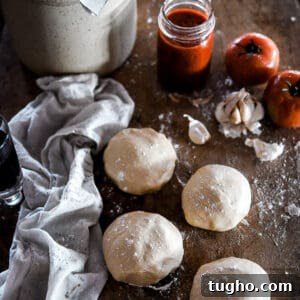
Homemade Pizza Dough
Pin
Rate
Ingredients
- 4.5 cups all-purpose flour or if you have it, use 00 Flour
- 2.5 teaspoons 1 packet dry activated yeast
- 1.5 cups warm water 105-110 degrees F
- 2 tablespoons olive oil
- 1-2 teaspoons coarse salt
Instructions
-
In the bowl of a stand mixer, combine the yeast and warm water. Stir to dissolve and let rest for one minute.
-
Add the flour, salt and olive oil to the bowl.
-
Fit the mixer with the dough hook and knead for 8–10 minutes until the dough is soft and silky. If it feels sticky, add a little more flour, a tablespoon at a time.
-
Divide the dough into four softball-sized balls. Place each on a tray or in a small bowl.
-
Smooth the tops and brush each ball with a little olive oil.
-
Cover with a kitchen towel and let rise in a warm place for 1–2 hours until doubled. If the dough does not rise, the yeast may be inactive and should be replaced.
-
While the dough rises, prepare your sauce and toppings.
-
After rising, using floured hands, stretch each dough ball into a 10″ disc about 1/4″ thick. Transfer to your baking surface (parchment or a silicone mat works well), add sauce, cheese and toppings, leaving a small rim for the crust.
-
Preheat the oven to 425°F (220°C) and bake for 10–15 minutes, until the crust is golden and the cheese is bubbling.
Notes
If refrigerating, allow the dough to rise first, then transfer to an airtight container or bag. Use parchment between dough balls to prevent sticking and wrap loosely to allow slight expansion.
When ready to bake, remove refrigerated dough 30–40 minutes before stretching so it comes to room temperature.