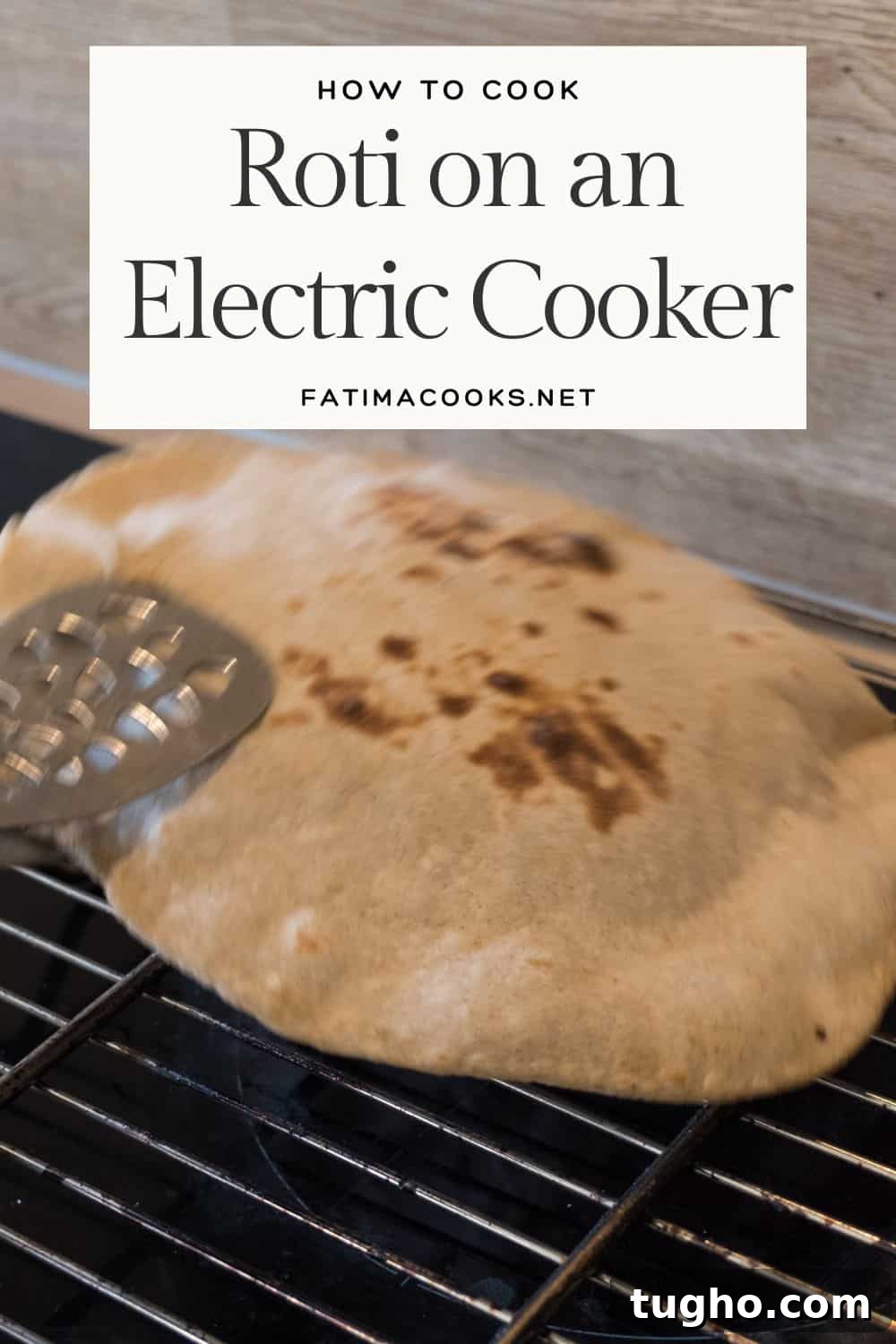
I had never even seen a ceramic cooker in person, let alone cooked on one, until we moved into our house in Nottingham three years ago.
When I first spotted it, I was surprised and a little disappointed. As a family that eats roti regularly, I worried the electric/ceramic hob would stop us from getting the soft, puffed rotis we love.
My first attempts were frustrating. For the first few weeks we defaulted to parathas because they were easier on that surface. Eventually I decided to learn how to adapt my technique for the ceramic hob instead of replacing the whole cooker. The result: soft, puffed rotis several times a week.
The problem with cooking roti on an electric/ceramic cooker
A key element of a well-made roti is charring it briefly over an open flame. That charring isn’t only for appearance — the flame helps the roti puff up, which cooks it from the inside and creates the characteristic double layer. Without that puff, rotis can:
- feel stiff, hard or dry;
- lack the darker spots you get from a gas stove, which can make them look undercooked;
- remain flat and doughy because they don’t puff up properly.
So, can you make soft roti on an electric or ceramic cooker?
Yes — you can make excellent, soft rotis on an electric or ceramic cooker. It takes a small adjustment and one simple tool that replicates the effect of an open flame.
After a few experiments I discovered that if you give the roti a final burst of direct heat while it’s off the tava, it will puff and develop those desirable spots. The trick is to transfer heat to the roti without relying on a naked flame.
What you need
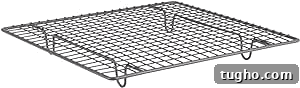
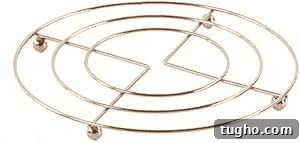
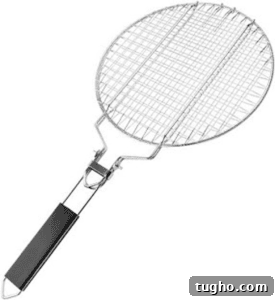
The single essential item is a small elevated grill or trivet that will sit above a burner so the roti can be exposed to hot air on both sides and puff up. Examples of suitable tools include:
- a cooling rack with short legs;
- a small metal trivet with feet;
- a roasting net or chapatti grill designed to let heat circulate under the roti.
Aside from that, you’ll need a good heavy tava (flat pan) and well-kneaded roti dough. I also have a video showing how I knead roti dough for a soft texture.
Method (step-by-step)
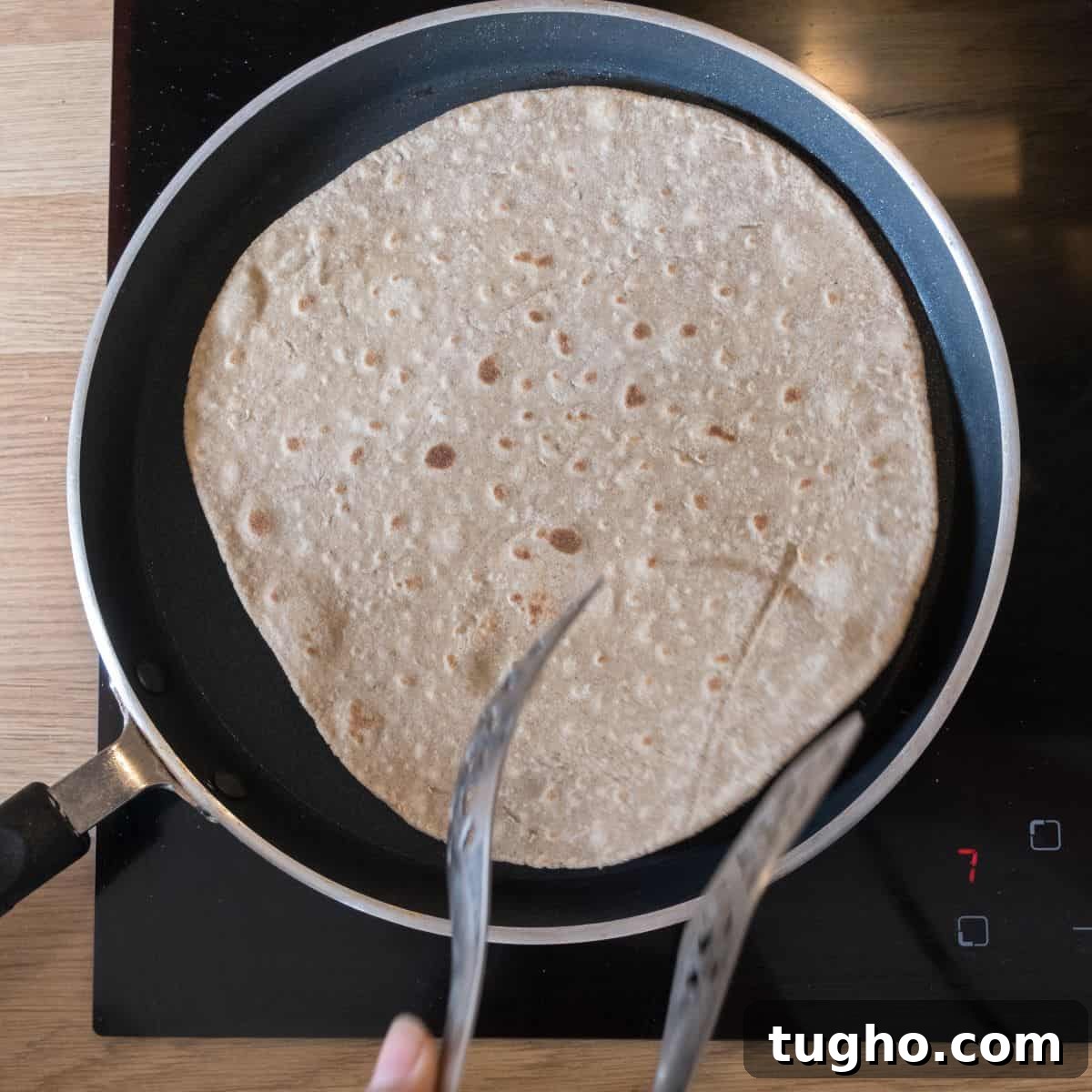
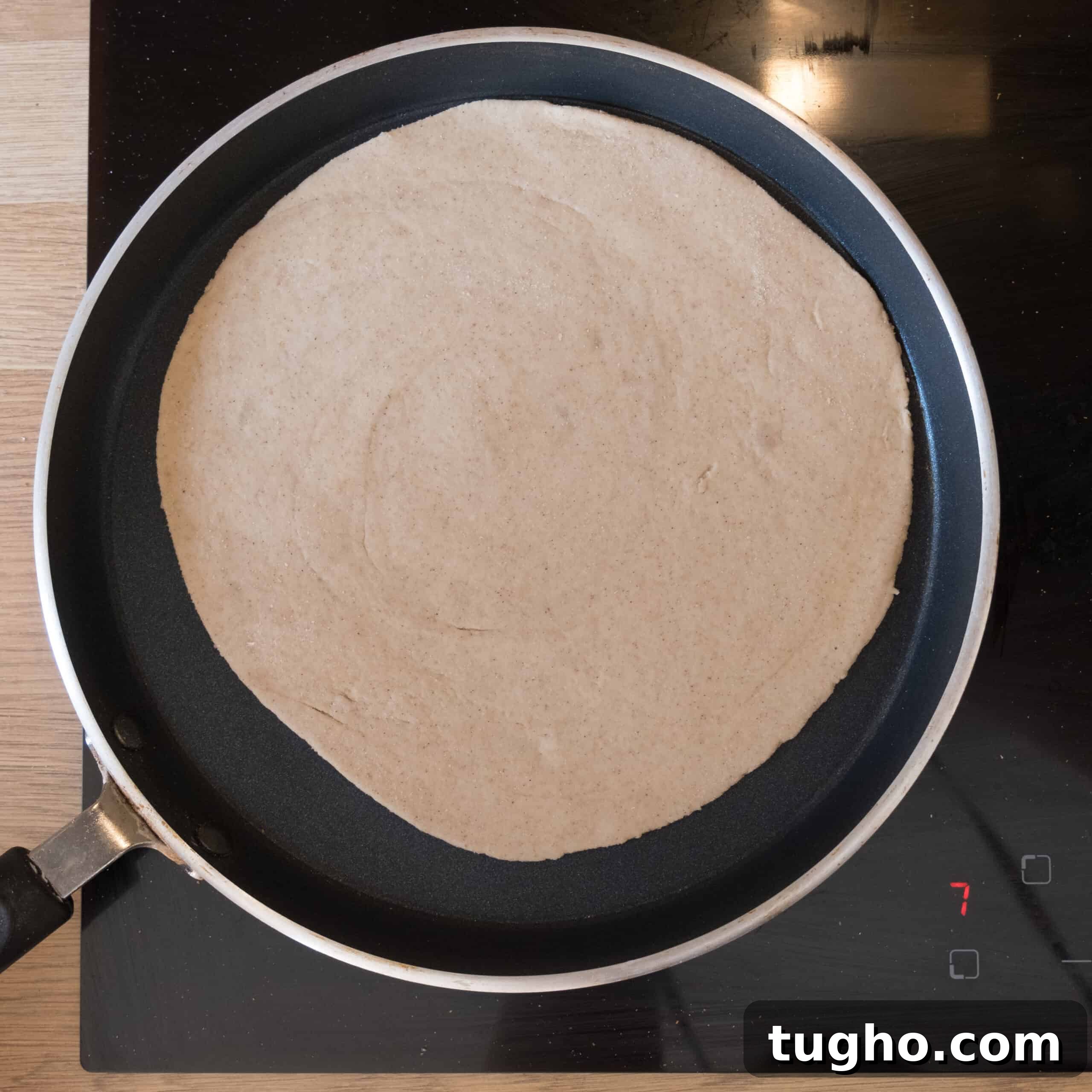
1. Preheat your tava until it’s hot. Place a rolled-out roti on the tava and cook on one side until small bubbles appear on the surface — usually about 1½–2 minutes depending on your pan and heat.
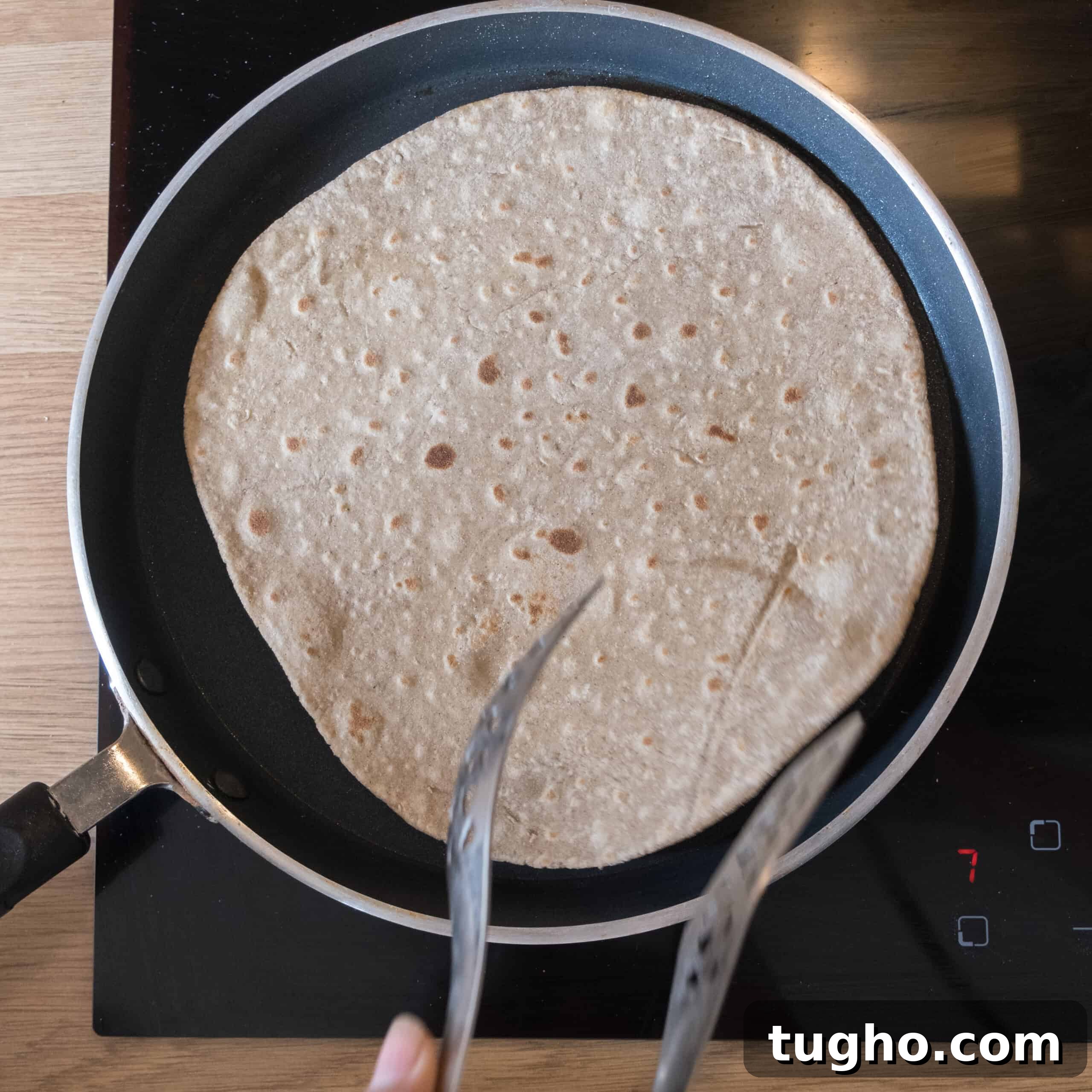
2. Flip the roti and cook the other side for about 1–1½ minutes until bubbles form there too. Keep an eye on the colour and how quickly bubbles develop; exact times vary.
3. While the roti cooks, set your cooling rack, trivet or roasting net on a separate burner. The aim is to position the roti over a hot elevated surface so it finishes cooking with direct heat and can puff up.
4. When bubbles have appeared and both sides have some colour, transfer the roti onto the elevated rack or net. The roti should start to puff up slowly as it’s exposed to direct hot air. Gently nudge or turn it to encourage even colouring.
5. Flip the roti and repeat on the other side until it’s evenly puffed and has the desired spots. Be careful not to overcook — too much time on the tava or on the rack will dry the roti out.
Top tip: avoid overcooking on the tava. Stop when bubbles appear and the roti has some colour, then finish on the rack/trivet so it puffs without becoming dry.
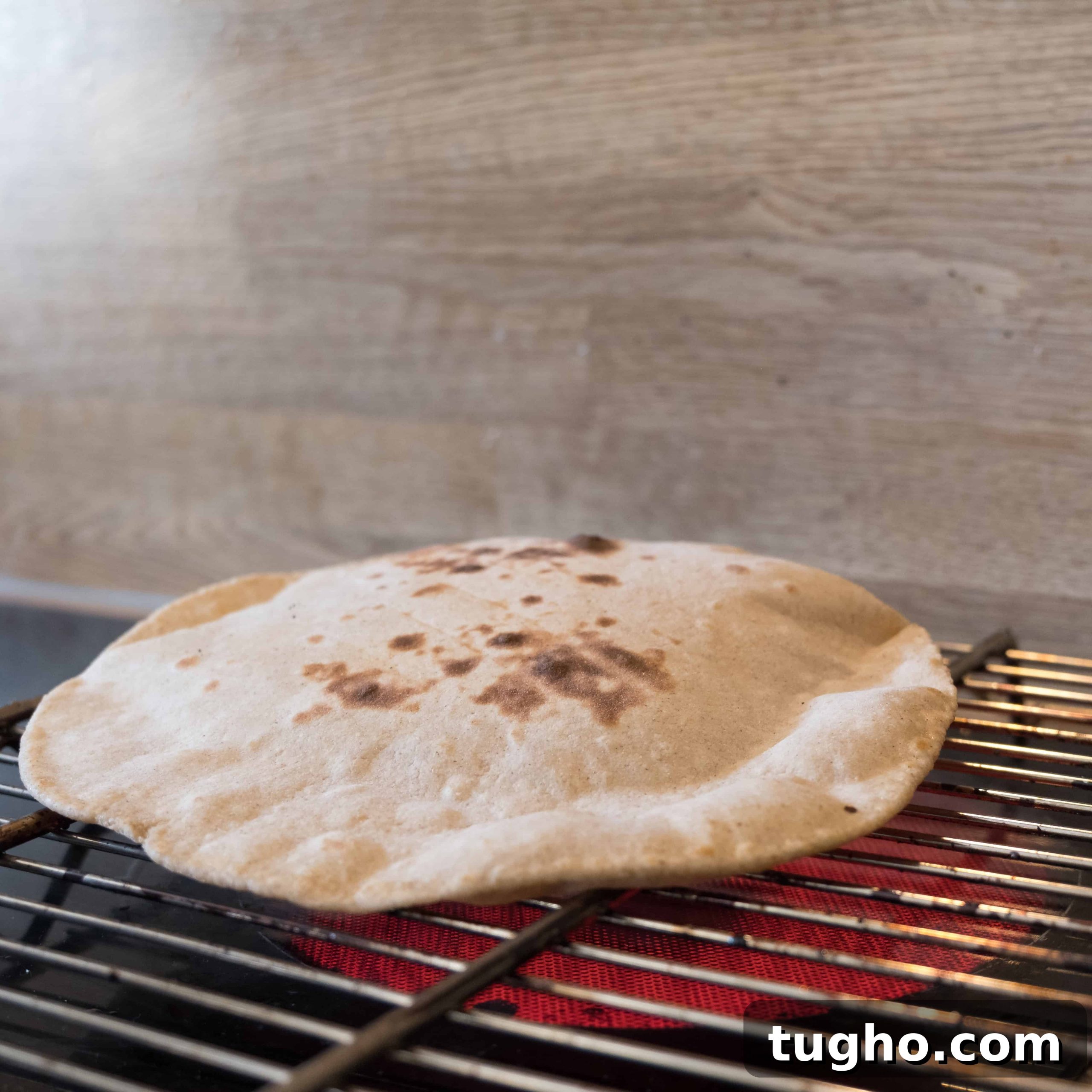
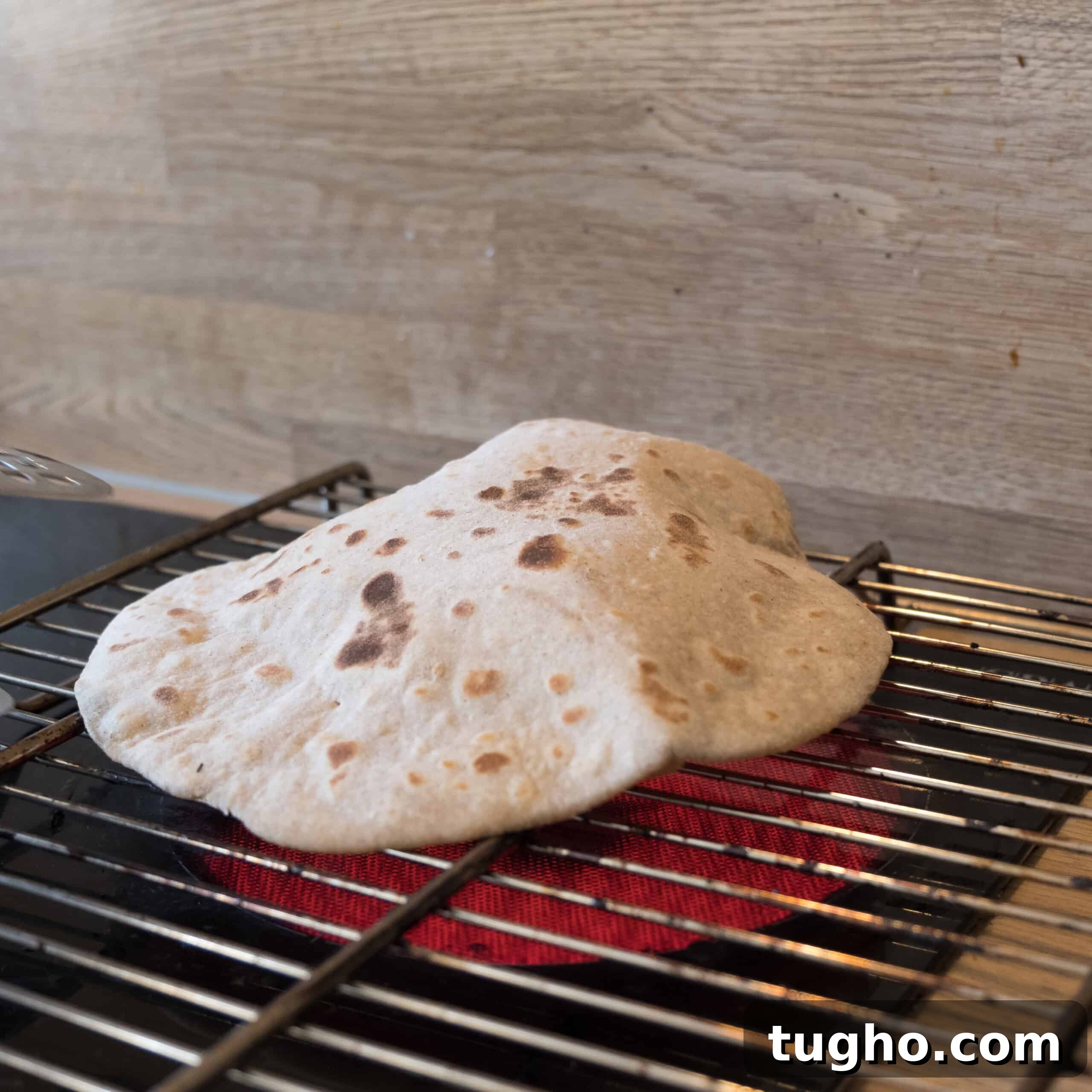
After finishing on the rack, your roti should be soft, pliable and puffed — very similar to one finished over a gas flame.
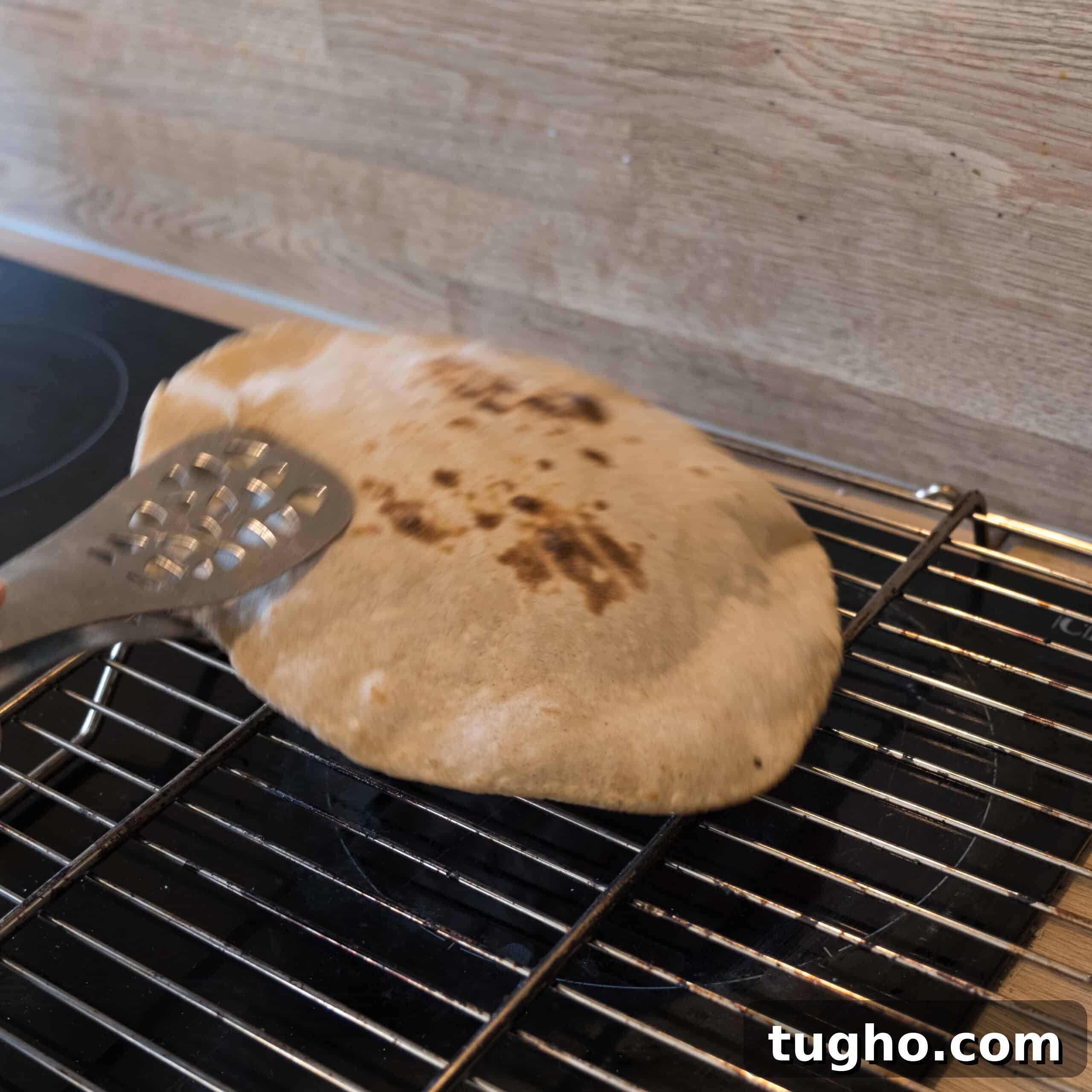
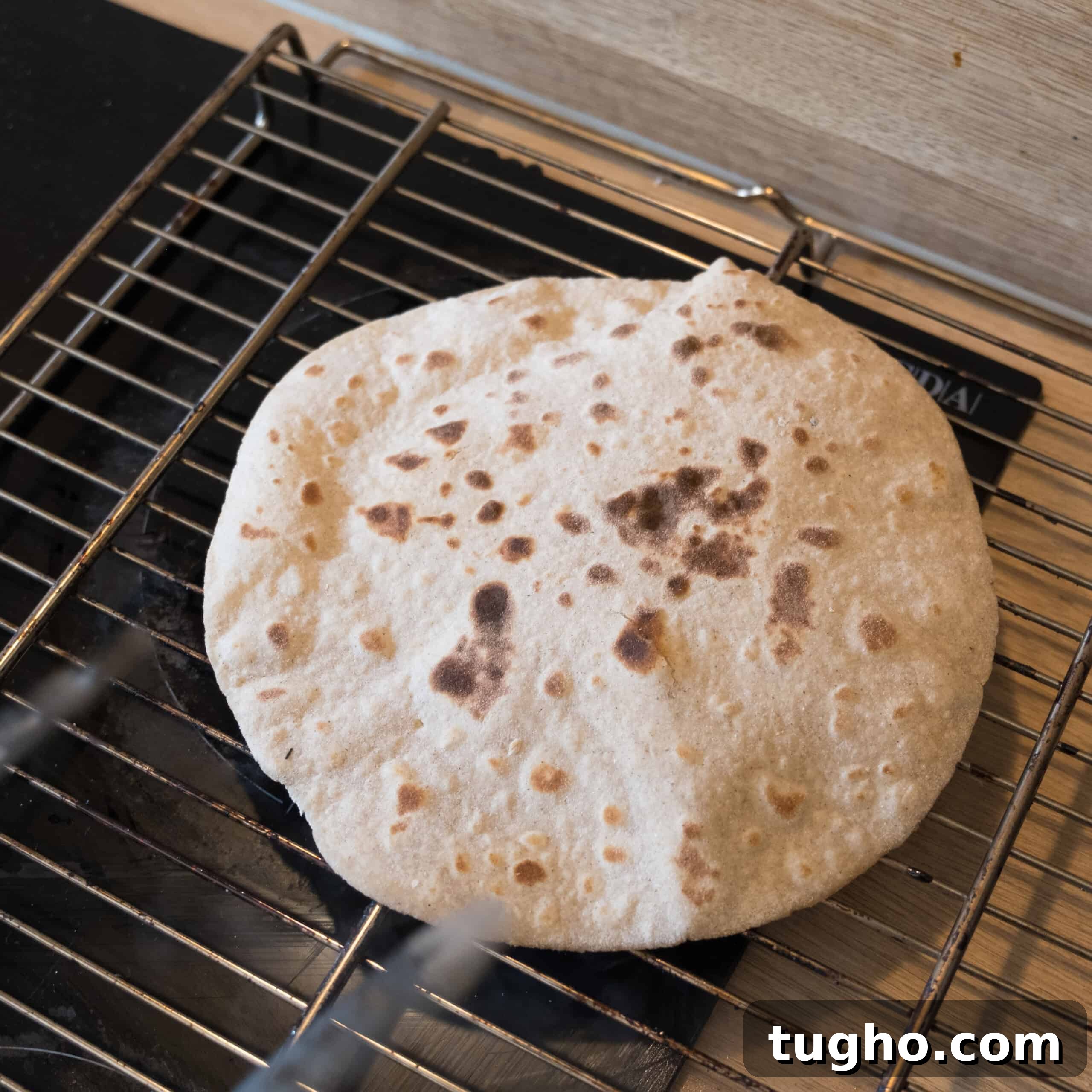
And that’s it — a beautifully puffed, soft roti made without a gas stove.
How do you make roti on an induction cooker?
Induction cookers work differently because the hob only heats when an induction-compatible pan is in direct contact. That means a rack or net placed on the burner won’t heat the same way it does on a ceramic or gas stove, so the technique above won’t transfer directly.
I don’t have experience with induction methods for finishing rotis. If you have a successful induction-based technique, please share it in the comments to help others facing the same challenge.
Save for later