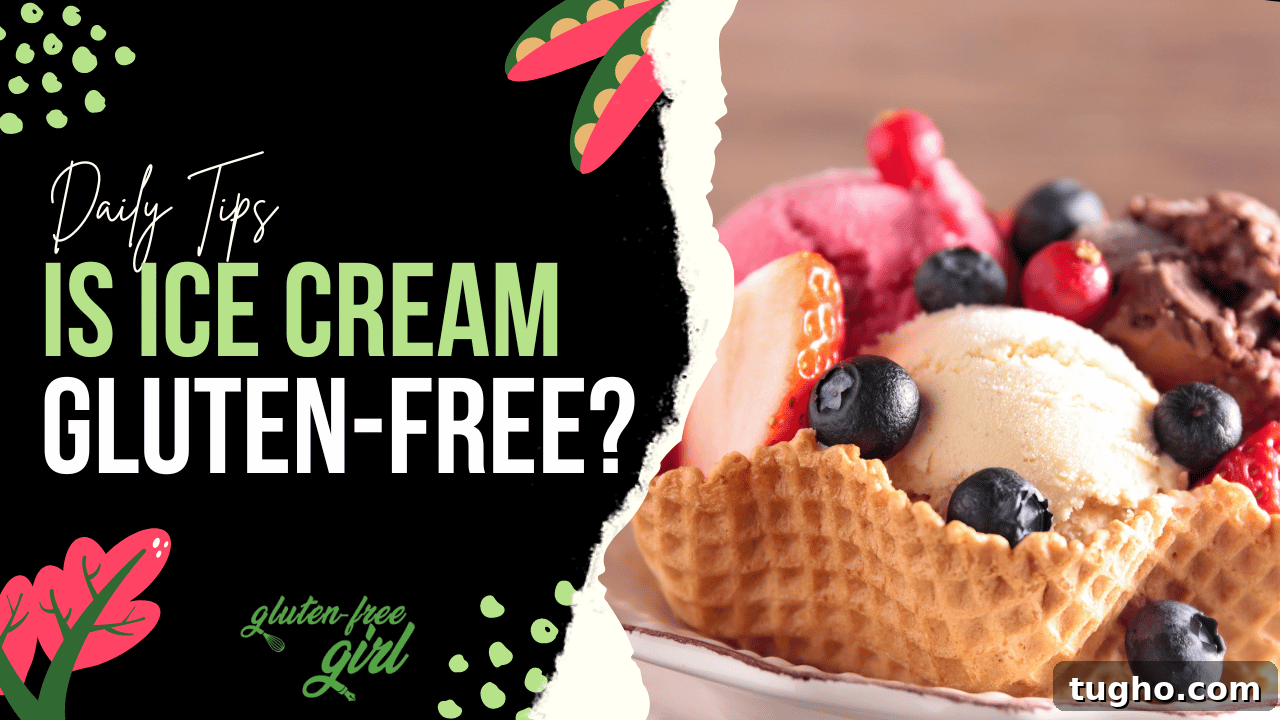
Yes, ice cream is gluten-free. Plain ice cream is usually gluten-free because its basic ingredients—milk or cream, sugar, and flavorings—do not contain gluten. Traditional gluten-containing grains such as wheat, barley, and rye are not part of standard ice cream bases, making many ice creams a safe choice for people who must avoid gluten. For those with celiac disease or non-celiac gluten sensitivity, knowing which ice creams are intrinsically gluten-free helps reduce the risk of adverse reactions and supports confident food choices.
The difference between nut- or grain-based products and dairy-based ice creams matters when checking labels. Most ice creams use dairy as the foundation rather than cereal grains, but mix-ins, flavorings, and manufacturing practices can introduce gluten. People with celiac disease or gluten intolerance should prioritize single-flavor, minimally processed ice creams or products labeled as gluten-free to stay safe while enjoying a sweet treat as part of a balanced gluten-free diet.
Celiac disease is an autoimmune condition triggered by gluten ingestion in genetically susceptible individuals. Leading researchers note that celiac disease is an autoimmune disorder rather than a simple food allergy. Strict adherence to a gluten-free diet is essential to prevent the immune response and the intestinal inflammation associated with the condition. This underscores the importance of selecting foods, including desserts like ice cream, that are free from gluten and protected from cross-contamination.
A gluten-free diet can include ice cream, and many dietary patterns that restrict gluten—such as pescetarian diets—can still accommodate ice cream unless other restrictions apply. Choosing certified gluten-free brands or carefully vetted homemade recipes helps ensure desserts remain within dietary limits while providing enjoyment and variety.
Can a Patient with Celiac Eat Food that has Ice Cream?
Yes. Many ice creams are safe for people with celiac disease, especially plain flavors made from milk, cream, sugar, and natural flavorings. However, not all ice creams are automatically gluten-free. Some products contain gluten through mix-ins like cookie dough, cake pieces, or certain thickeners, and cross-contamination during production or service is possible. Always read ingredient labels and, when in doubt, choose ice creams that are certified gluten-free or ask vendors about their preparation methods.
Be cautious with cones: most traditional cones are made from wheat flour and are not gluten-free. Even some cones marketed as “gluten-free” may include unexpected ingredients, so consider grain-free recipes for homemade cones or enjoy ice cream in a cup to avoid gluten exposure.
What Gluten-Free Snacks can you Make with Ice Cream?
Here are several gluten-free ice cream-based snacks and desserts you can make at home:
- Gluten-free ice cream sandwich: Use gluten-free sponge or cookie layers with a no-churn vanilla ice cream filling. Assemble layers in a lined pan, freeze until firm, then slice into servings. For a finishing touch, dip portions in melted chocolate to create a crisp shell.
- Gluten-free Mexican fried ice cream: Form scoops of ice cream, freeze them solid, then coat in crushed gluten-free cereal (such as Rice Chex), cinnamon, and sugar before frying quickly or baking if preferred. Serve with a simple chocolate sauce made from cocoa, sugar, water, and vanilla.
- Homemade gluten-free banana ice cream: Blend frozen banana slices with a splash of vanilla for a creamy, no-churn soft-serve in minutes. This naturally sweet, vegan, dairy-free treat contains no added gluten and requires no special equipment.
- Gluten-free ice cream cake: Layer your favorite gluten-free cookies or crust with softened ice cream, refreeze, and finish with chocolate or whipped cream. Use certified gluten-free cookies for any cookie or crumb layers.
- Strawberry shortcake icebox cake: Layer whipped cream, sliced strawberries, and gluten-free sugar cookies in a pan. Chill overnight so the cookies soften and absorb the cream for a no-bake dessert with creamy, fruity texture.
- Chocolate Mango Magnum-style bars: Freeze mango puree molds, top with a thin layer of vanilla ice cream, then dip in dark chocolate and sprinkle with nuts. Use gluten-free toppings and ensure coatings are free from gluten.
- Birthday cookie no-churn ice cream: Fold chopped gluten-free cookies and sprinkles into a mixture of sweetened condensed milk and whipped cream, freeze in a loaf pan, and swirl with gluten-free frosting for a festive, scoopable dessert.
How is Ice Cream Gluten-Free?
Ice cream is gluten-free when its core ingredients—milk or cream, sugar, and flavorings—are free of gluten and when no gluten-containing mix-ins are added. Single-flavor ice creams made from these unadulterated components generally do not contain gluten. Manufacturers often add stabilizers and colorings; while many of these are gluten-free, it’s important to check labels for any wheat-based thickeners or barley-derived ingredients.
Production methods matter as well: cross-contamination can occur when equipment processes both gluten-containing and gluten-free products. Choosing certified gluten-free brands or asking about manufacturing controls reduces this risk.
Is Ice Cream the Same as Milk that is Gluten-Free?
No. Milk itself—whether from cows or plant-based alternatives like coconut milk—is generally gluten-free, but ice cream can acquire gluten from added ingredients or cross-contact. Dairy-free ice creams often use coconut milk, almond milk, or oat milk; each base is naturally gluten-free except oats can be a source of concern unless certified gluten-free. Always check ingredient lists and product labeling to ensure the ice cream remains gluten-free.
Is Ice Cream Made from Coconut Milk Gluten-Free?
Yes, coconut milk–based ice cream can be gluten-free since coconut milk itself doesn’t contain gluten. However, additives, flavorings, or mix-ins can introduce gluten, and cross-contamination in shared facilities is possible. Choosing products labeled gluten-free or preparing coconut milk ice cream at home with certified gluten-free ingredients provides added confidence.
Is Ice Cream Float Gluten-Free?
Generally yes. An ice cream float combines ice cream with a carbonated soft drink; both components are often gluten-free. Ensure the ice cream and the soda contain no gluten-containing additives and avoid flavored syrups or toppings that may introduce gluten. When in doubt, confirm ingredient lists or select certified gluten-free items.
How do you keep Ice Cream Dishes Gluten-Free?
Follow these precautions to keep ice cream dishes safe:
- Check ingredients: Choose plain flavors and avoid products with cookie, brownie, or cake pieces.
- Read labels: Look for wheat, barley, rye, or suspicious additives like barley malt.
- Choose certified gluten-free brands: Certification reduces cross-contamination risk.
- Avoid cones: Use cups or gluten-free cones if available.
- Inspect toppings: Verify that sprinkles, sauces, and mix-ins are gluten-free.
- Ask about cross-contamination: Request fresh containers, clean scoopers, and glove changes when ordering.
- Heed “may contain” warnings: Consider alternatives when labels indicate possible cross-contact.
Is the Ice Cream Water Gluten-Free?
Some innovative water-based ice creams are marketed as gluten-free. These products often replace dairy with water and specific vegetable fats to create a frozen dessert with a lighter base. As with any product, check ingredient lists and manufacturing practices to ensure no gluten-containing additives or cross-contamination.
Is Banana Split Gluten-Free?
Yes, a classic banana split can be gluten-free when made with gluten-free ice cream, fresh bananas, and gluten-free sauces and toppings. Standard banana splits feature bananas, scoops of ice cream, sauces, nuts, whipped cream, and a cherry—ingredients that are typically gluten-free. Avoid cookie crumbs, wafer pieces, or other wheat-based toppings unless specifically replaced with gluten-free alternatives.
How is Ice Cream Served for Individuals with Latent Celiac Disease?
When serving ice cream to someone with latent celiac disease, take precautions to prevent gluten exposure. Verify ingredients, ask staff about preparation and cross-contamination controls, request scooping from a fresh container, and ask for clean utensils or a glove change. Choosing soft-serve or simple flavors and opting for a cup rather than a cone are practical steps. Clear communication and careful handling help ensure a safe and enjoyable dessert experience.
Why Some Ice Creams Have Gluten?
- Cookie and brownie mix-ins: Dough, cookie pieces, and brownie chunks introduce wheat flour.
- Cake or pie inclusions: Any baked goods added to ice cream typically contain gluten.
- Cones and coatings: Traditional cones and some coatings are made with wheat.
- Crispy inclusions: Cereal bits or wafer crisps may contain gluten.
- Thickeners and stabilizers: Some additives are derived from gluten-containing grains.
- Sauces and swirls: Caramel, fudge, or other swirls can use wheat-based thickeners.
- Cross-contamination: Shared equipment or facilities can transfer gluten even when primary ingredients are gluten-free.
How can You Prevent Gluten Cross-Contamination in Ice Cream Dishes?
- Keep work surfaces and utensils clean; sanitize between tasks.
- Wash hands thoroughly before handling gluten-free items.
- Use separate bowls, scoopers, and tools for gluten-free and gluten-containing products.
- Request scooping from a fresh container and a clean scooper when ordering out.
- Prefer cups over cones, and skip communal toppings unless they are in single-serving containers.
- Communicate needs clearly to servers and consider bringing certified gluten-free toppings if necessary.
Are Ice Cream Desserts Gluten-Free?
Not always. While plain ice cream is often gluten-free, many ice cream desserts include baked goods, cookies, or cereals that contain gluten. The gluten status depends on every ingredient and the preparation method. To stay safe, use certified gluten-free ingredients, avoid shared equipment that handles wheat, and select establishments that follow dedicated gluten-free practices when serving desserts.
Is Ice Cream with Chocolate Syrup Gluten-Free?
Most plain chocolate syrups are gluten-free because their basic ingredients—cocoa, sugar, and water—do not contain gluten. However, formulations vary, and some brands use thickeners or flavorings that could introduce gluten. Check product labels and manufacturer statements to confirm the syrup’s gluten-free status.
Is Ice Cream with Marshmallows Gluten-Free?
Yes, ice cream with marshmallows can be gluten-free. Traditional marshmallows are typically made from sugar, water, and gelatin and do not contain gluten. Still, always verify marshmallow ingredients and any added coatings or mix-ins to ensure they are free from wheat-based starches or cross-contamination risks.