*This page contains affiliate links
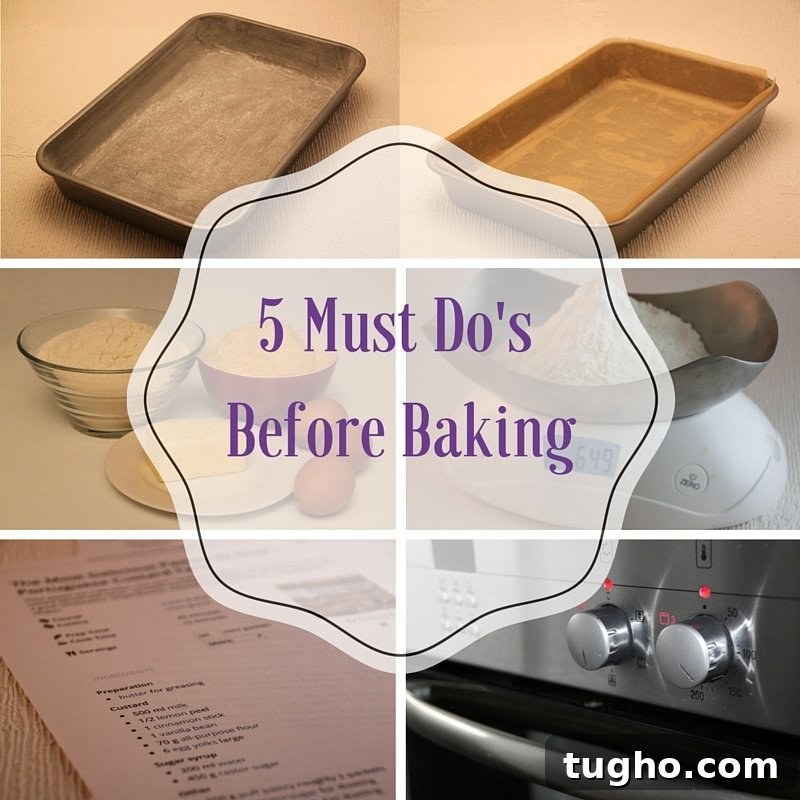
When it comes to baking, good preparation is one of the most important steps for success. A recipe may look simple at first, but baking is all about timing, accuracy, temperature, and technique. Taking a few minutes to get organized before you begin can make the difference between a dense cake and a light, fluffy one, or between a stressful kitchen session and an enjoyable baking experience. Before you start mixing, whisking, or preheating, there are a few simple baking tips that will help you work more confidently and get better results.
1. Read the recipe
Before doing anything else, read the recipe from beginning to end. This may sound obvious, but it is one of the easiest steps to skip. Many baking recipes include important details that appear later in the instructions, such as chilling time, special equipment, a specific pan size, or ingredients that need to be prepared in advance. If you start baking before reading everything, you may discover halfway through that you are missing a tool, that the dough needs to rest, or that an ingredient should have been at room temperature. Reading the full recipe first helps you understand the process, plan your time, and avoid unnecessary mistakes. Once you know what to expect, gather all the equipment and ingredients you need. Place them on your counter so everything is within reach. This makes baking smoother, cleaner, and much more enjoyable.
2. Have all your ingredients at room temperature
Unless the recipe clearly says otherwise, ingredients such as butter, eggs, milk, cream cheese, and other dairy products should usually be at room temperature before you begin. Room temperature ingredients blend together more easily and create a smoother, more even batter. This is especially important when making cakes, cupcakes, cookies, and butter-based batters. When butter, eggs, and dairy are at the right temperature, they combine into a stable mixture that can trap air. During baking, that trapped air expands, helping your baked goods rise and giving them a soft, light texture. Cold ingredients, on the other hand, can cause the batter to curdle, look lumpy, or mix unevenly. They may also prevent the batter from holding enough air, which can lead to heavier results. If you forgot to take your ingredients out in advance, give them a little time on the counter before starting. Good baking preparation often begins before you even touch the mixing bowl.
3. Measure out your ingredients
Baking is a science, so accurate measuring is essential. Unlike cooking, where you can often adjust seasoning or texture as you go, baking depends on the right balance of flour, sugar, fat, liquid, and leavening agents. For the best and most consistent results, I recommend using a kitchen scale. Measuring by weight is much more accurate than measuring with cups, especially for ingredients like flour, which can vary greatly depending on how it is scooped. Too much flour can make cakes dry, cookies tough, and batters too thick. If you prefer to use cups, make sure you measure carefully. First, loosen the flour by stirring it with a spoon. Then gently spoon the flour into the measuring cup until it is slightly overfilled. Use the back of a knife to level off the excess. Do not press, shake, or pack the flour into the cup, because that can add much more flour than the recipe needs. The most reliable way to measure, however, is still with a scale. If you bake often and do not yet have one, it is worth considering a kitchen scale for more accurate baking.
4. Preheat the oven – Know your oven
Preheating the oven is another simple step that should never be overlooked. You do not want to finish mixing a beautiful cake batter only to realize that the oven is still cold. Most baked goods need to go into a properly heated oven right away so they can rise and set correctly. If the oven temperature is too low at the start, cakes may sink, cookies may spread too much, and pastries may lose their structure. Make it a habit to preheat the oven before you begin measuring or mixing your ingredients. It is also important to understand that every oven behaves differently. Some ovens run hotter than the temperature shown on the dial, while others run cooler or heat unevenly. An oven thermometer is a helpful tool because it shows the actual temperature inside your oven. I once had an oven that was not calibrated properly, and it was only after using an oven thermometer that I realized the problem was the oven, not my baking. Knowing your oven can help you avoid underbaked centers, burnt edges, and uneven results.
5. Choose and prepare the right pan
Always use the pan size stated in the recipe whenever possible. Pan size affects baking time, texture, and the final height of your baked goods. If the pan is too small, the batter may overflow as it rises. If the pan is too large, the batter will spread out too thinly and may bake too quickly, resulting in a dry cake or a different texture than intended. Once you have chosen the correct pan, prepare it before you start mixing. This prevents the batter from sitting too long while you search for baking spray or parchment. You can spray the bottom and sides of the pan with baking spray, or grease it with butter and dust it lightly with flour. After adding flour, tap and rotate the pan to coat the inside evenly, then remove any excess. Make sure the bottom and sides are fully covered so the baked goods release cleanly after baking. Preparing the pan properly helps protect the shape and finish of your cake, loaf, or other baked treat.
If you follow these five easy baking preparation tips, you will be ready to bake with more confidence. Reading the recipe, using room temperature ingredients, measuring accurately, preheating and understanding your oven, and preparing the right pan are all simple habits that can improve your baking results. A little organization before you begin can help you create cakes, cookies, and other baked goods that are lighter, fluffier, and more consistent every time.