Fluffiest Hamburger Buns (with sourdough discard)
By marilynpeight
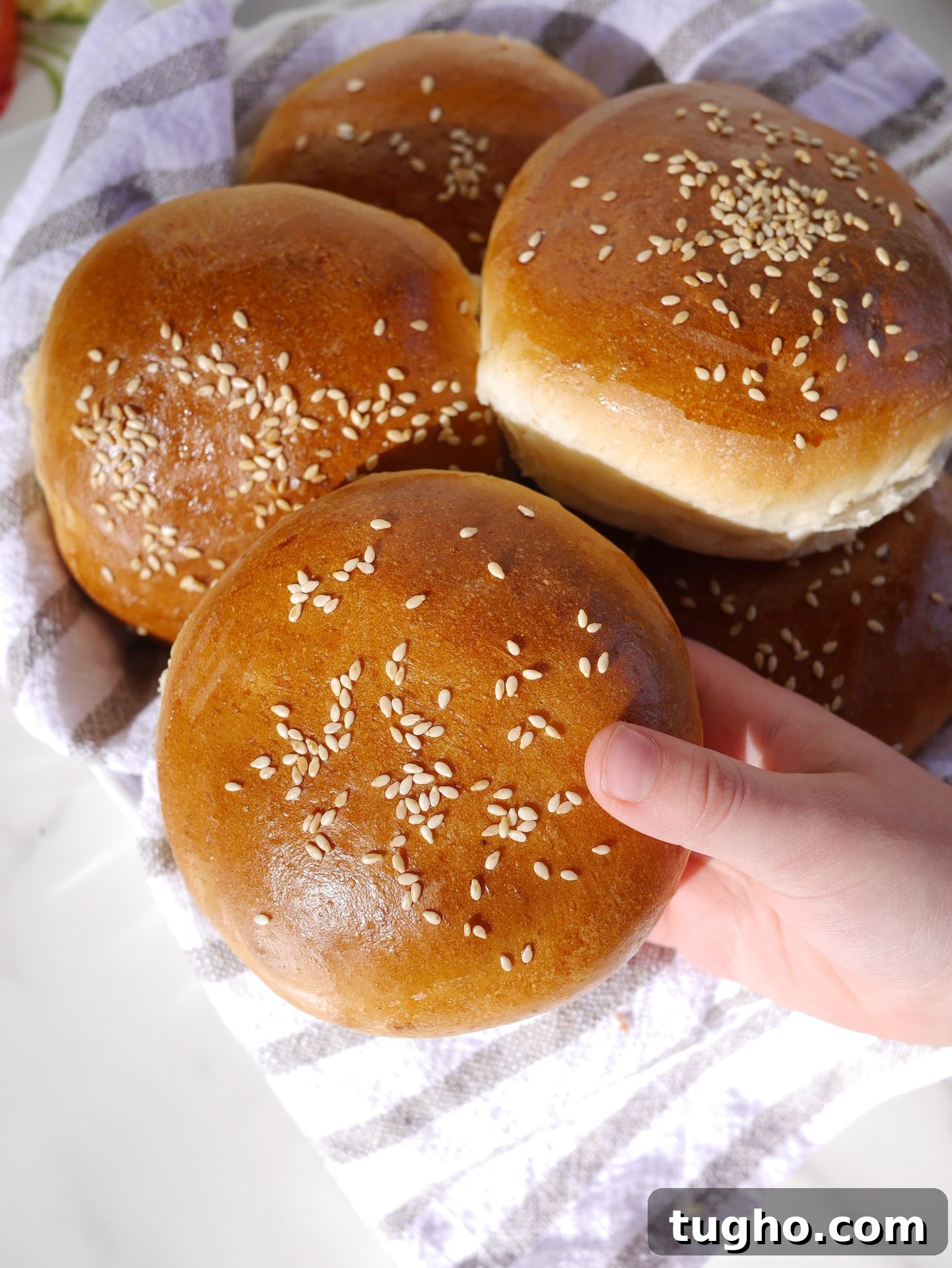
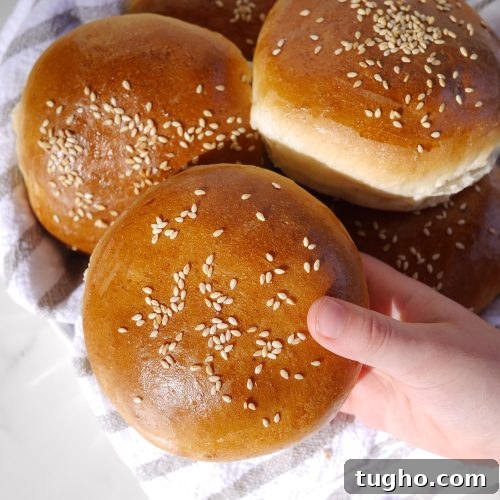
These hamburger buns are soft, tender, and full of flavor thanks to the addition of sourdough discard. They offer a superior texture to most store-bought buns and are perfect for backyard barbecues, picnics, or holiday gatherings. Try them with burgers, sloppy joes, or pulled pork sandwiches.
Why these buns work
Using a bit of sourdough discard adds both flavor and lift, contributing to a light, airy crumb. The dough is enriched with butter, milk, and honey for a subtle richness and a golden crust when brushed with an egg wash. The recipe yields twelve medium-sized buns that hold up well to juicy fillings while staying soft and pleasant to bite into.
Ingredients
Yields: 12 buns
- 1 tablespoon active dry yeast
- 3/4 cup warm water (about 110°F / 43°C)
- 3/4 teaspoon salt
- 1/4 cup melted butter, cooled slightly
- 2 tablespoons honey
- 1/4 cup whole milk
- 1/2 cup sourdough discard (roughly 110 grams)
- About 3 cups bread flour, added sparingly
Toppings
- 1 egg, beaten
- 1 tablespoon water
- Sesame seeds (optional)
Instructions
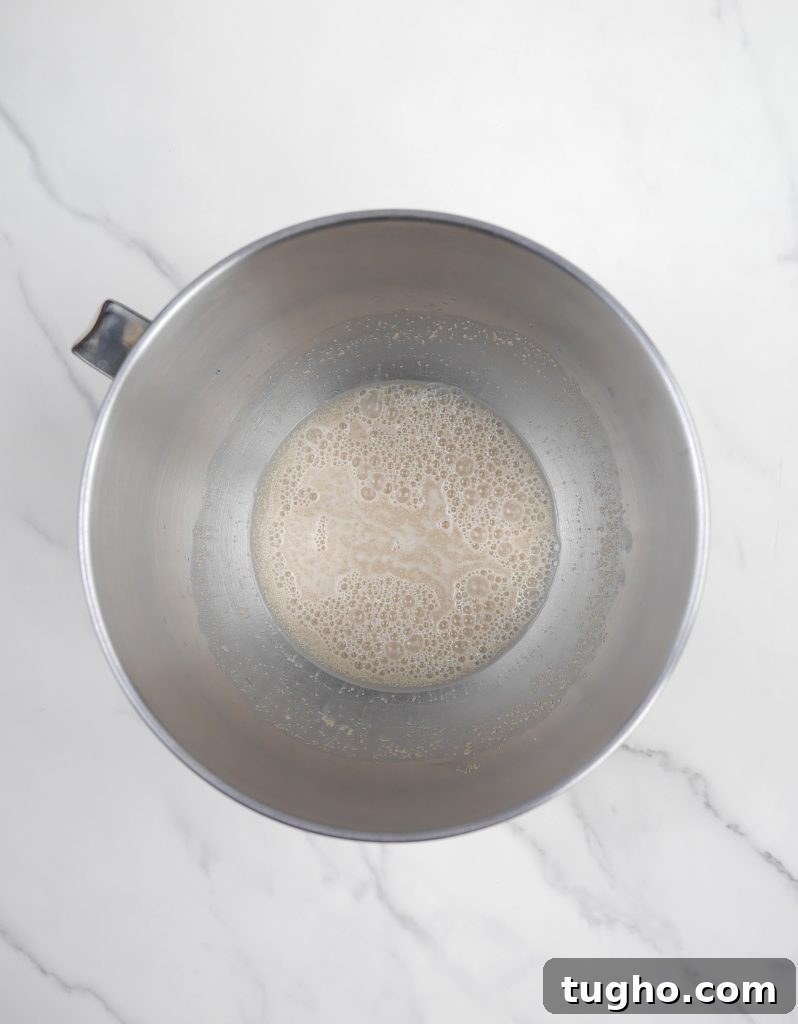
- Activate the yeast. Whisk the active dry yeast, warm water, and salt together. Let rest for 10 minutes until the mixture becomes bubbly and active.
- Mix the wet ingredients. Melt the butter and let it cool slightly. Combine the butter with honey, milk, and the sourdough discard. When the yeast mixture is bubbly, stir in these wet ingredients.
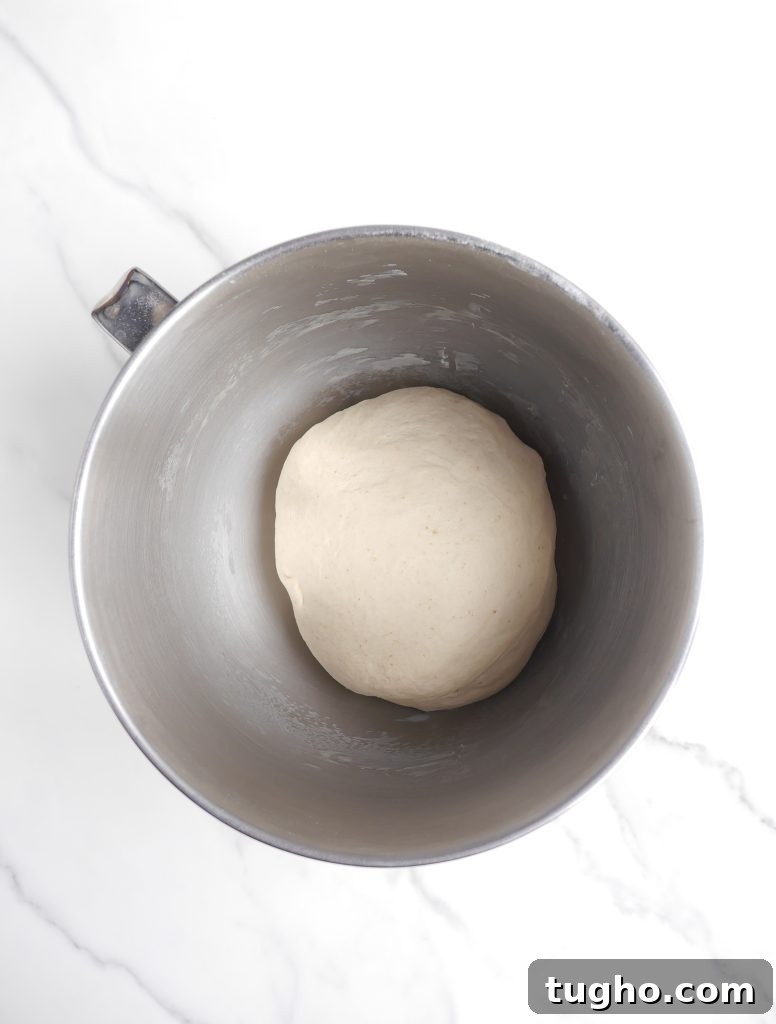
- Add flour and knead. Transfer the mixture to a stand mixer fitted with a dough hook or prepare to knead by hand. Add bread flour one cup at a time, mixing between additions. Add just enough flour for a hydrated dough that no longer clings to the bowl. Knead or mix for about 10 minutes, until the dough feels soft and pliable.
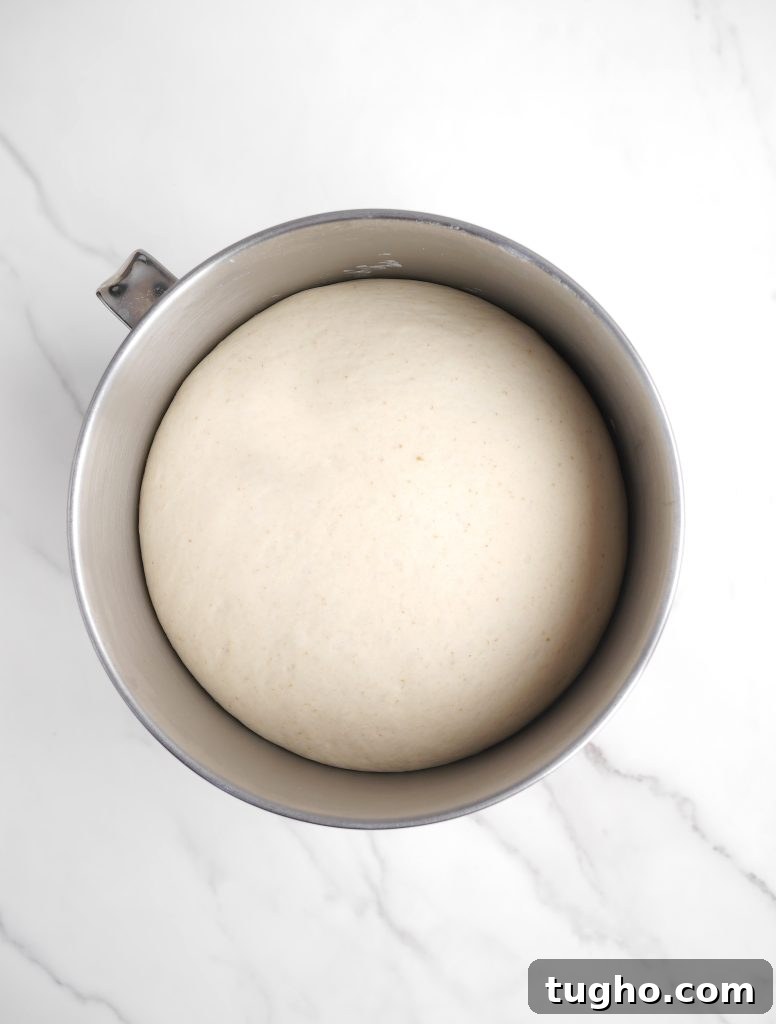
- First rise. Cover the dough and let it rise at room temperature (70–75°F) for about 1½ hours. In a warmer kitchen, one hour may be sufficient. The dough should more-than-double, approaching triple size for best fluffiness.
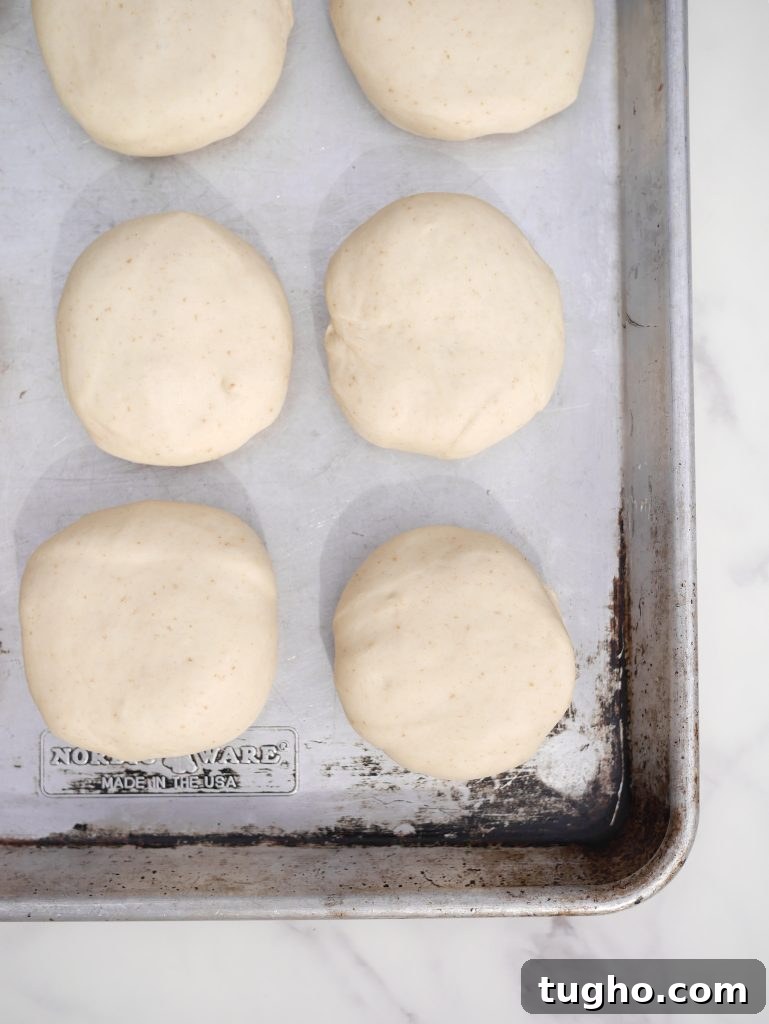
- Shape the buns. Remove the dough and divide it into 12 equal pieces. Shape each piece into a flat, round disk about 3 inches in diameter and 3/4 inch thick using your fingers — avoid a rolling pin to preserve gluten structure. Place the disks on a greased 13×18-inch baking sheet. Cover and let rise another hour.
- Preheat the oven. Preheat to 375°F.
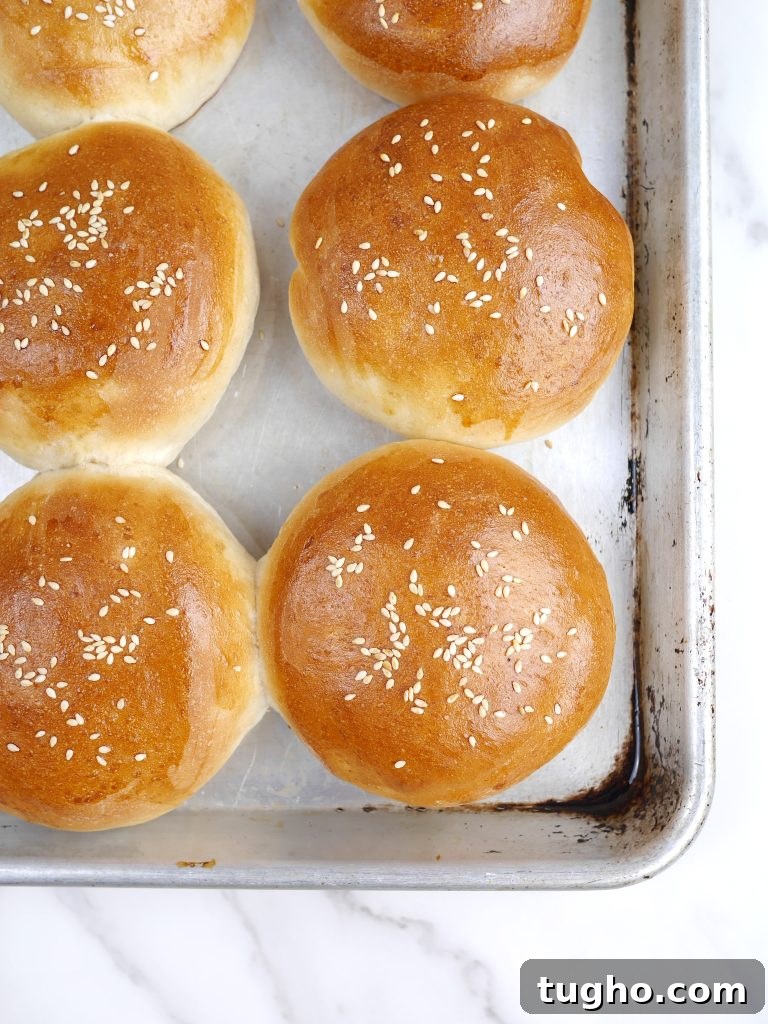
- Finish and bake. Mix the beaten egg with 1 tablespoon water and brush lightly over each bun. Sprinkle sesame seeds if desired. Bake for 15–20 minutes, until the tops and bottoms are golden and the internal temperature reaches about 190°F. Remove from oven and allow to cool before serving.
Notes and tips
If the yeast mixture fails to become bubbly, the buns will not rise properly. Possible causes include old yeast or water that is too cold or too hot. The ideal water temperature for activating yeast is 105–115°F (40–46°C).
Add flour sparingly. Too much flour makes dense buns; too little makes a gummy interior. Aim for a dough that feels slightly sticky and soft but is manageable to shape.
Oven temperatures vary. If the buns brown too quickly or take too long to bake, adjust the oven by about 25°F and check doneness by measuring an internal temperature of 190°F. A thermometer often gives the most reliable results.
Common questions
Can I use all-purpose flour instead of bread flour? Yes. All-purpose flour will work, but the texture may be slightly different because it contains less gluten than bread flour.
Can I skip the sourdough discard? The sourdough discard contributes flavor and helps with rise. Omitting it will still produce buns, but they may not be as light or flavorful.
Storage
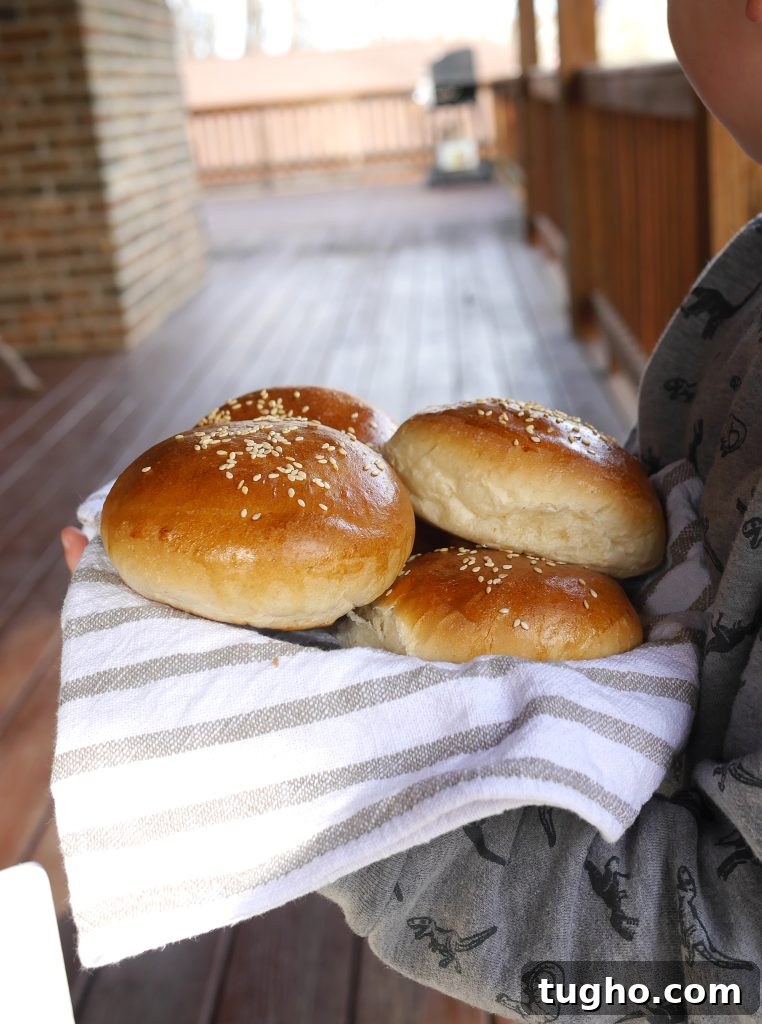
These buns freeze well after cooling and can be kept in the freezer for several months. At room temperature, they stay fresh for a few days; toast or warm them in the oven to refresh day-old buns.