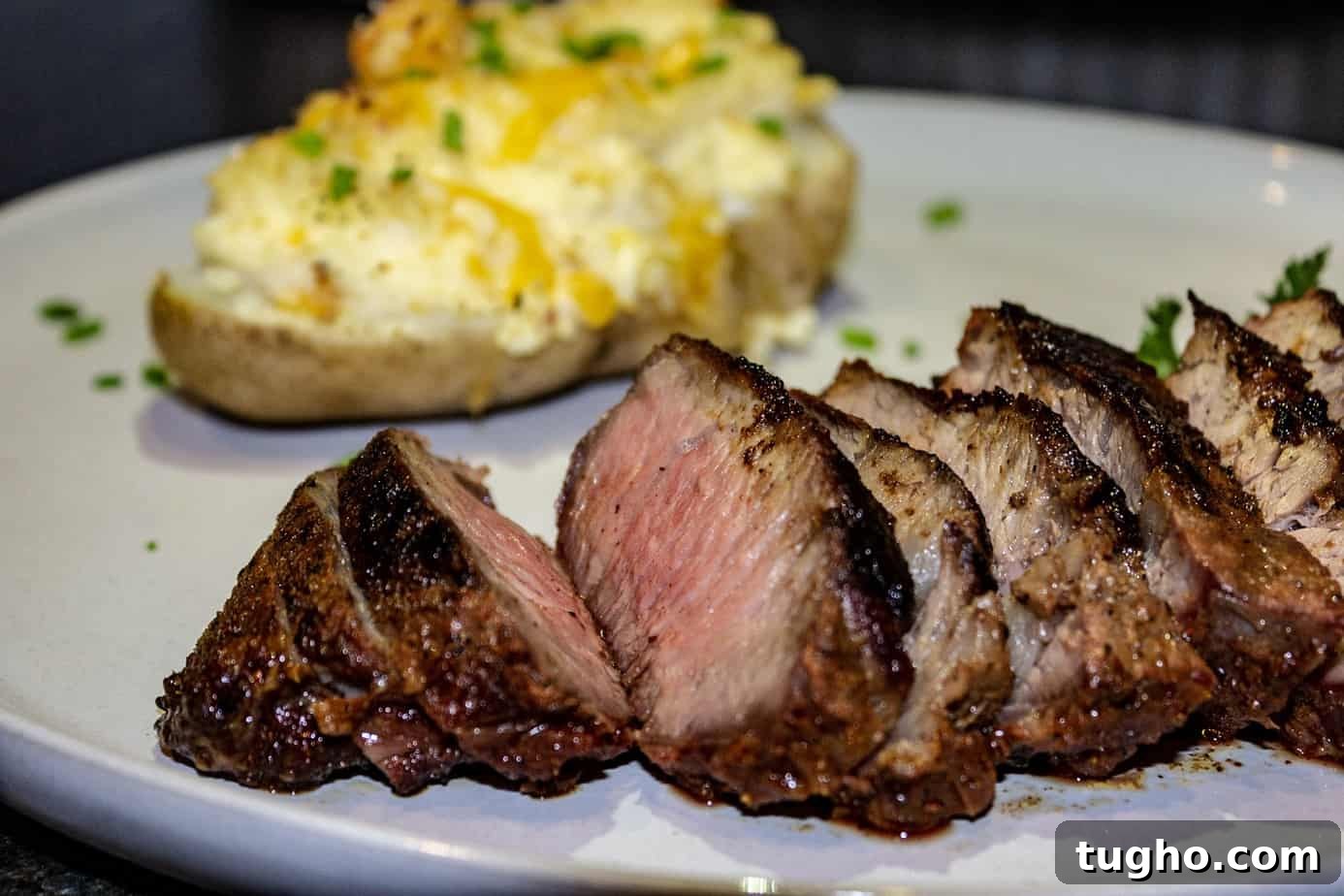
Before I owned a pellet smoker I didn’t understand the fuss. Why spend an hour smoking a steak when a hot grill will cook it in minutes? After I tried the reverse sear method on my Traeger, everything changed. Slow smoking followed by a hot sear produces a depth of flavor and a texture that a traditional grill simply can’t match. If you want a steak that’s evenly cooked, smoky, and finished with a perfect crust, the reverse seared ribeye is the technique to learn.
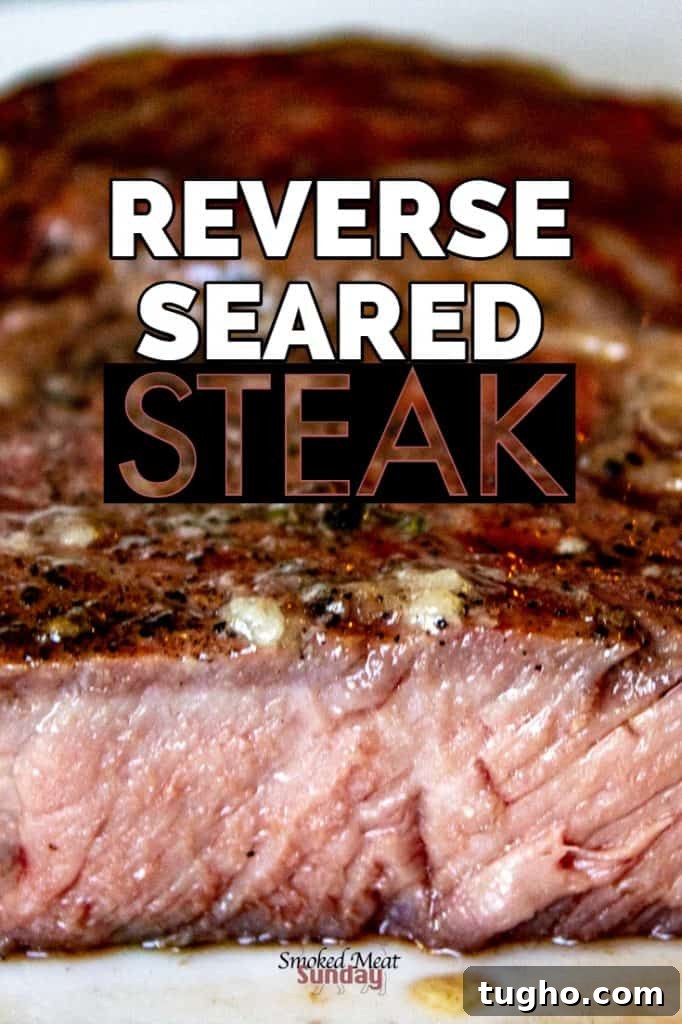
Steaks grilled over direct heat can be excellent, but smoking first and searing last creates an unmistakable combination: a gentle, smoky interior and a caramelized, savory exterior. Below I’ll walk you through selecting the right cut, preparing it, smoking it low and slow, and finishing it with a hot sear so your ribeye comes out restaurant-quality every time.
Selecting Your Steaks
Choosing the right steak is the first step. For reverse searing, look for cuts with good marbling and a substantial thickness. I prefer steaks about 1 to 1½ inches thick; a standard ribeye in that size delivers excellent flavor and texture. The intramuscular fat (marbling) melts during cooking and keeps the steak juicy and flavorful. A 16-ounce ribeye is generous but ideal for this method—leave the outer fat cap in place, even if you don’t plan to eat it. That fat renders and boosts the overall flavor.
The Steak Brine
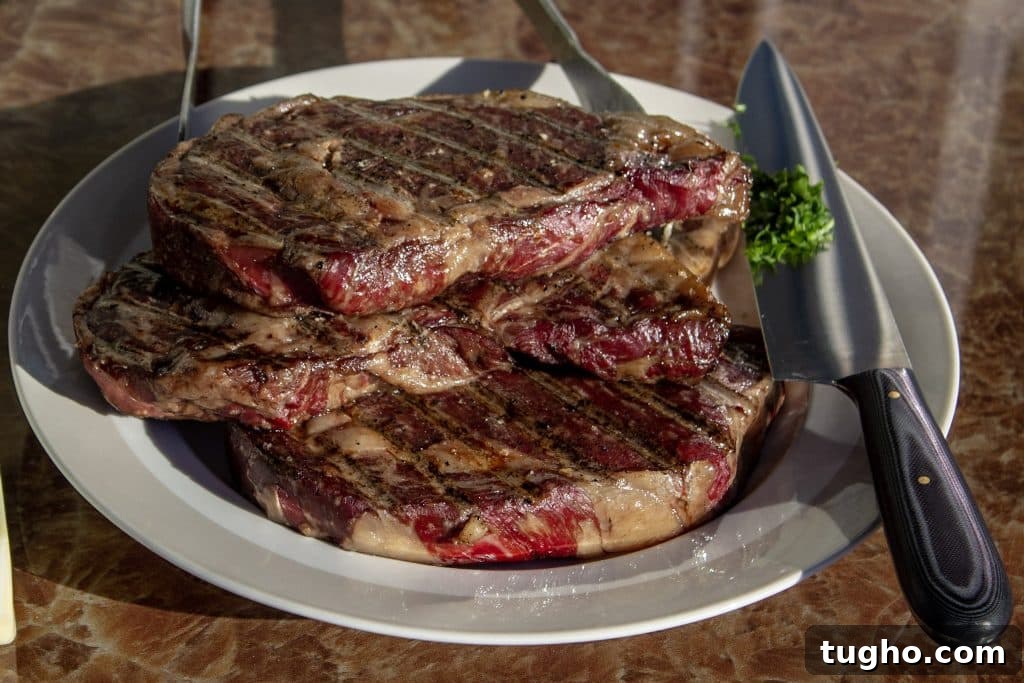
Start by salting the steaks and letting them rest in the refrigerator for a few hours. Place each steak on a rack over a sheet pan and apply salt evenly to all sides. Salting ahead allows the salt to penetrate the meat, improving moisture retention and seasoning the interior. Two hours is usually enough, but you can leave them salted up to 12 hours if needed.
Smoking the Steak
When you’re ready to cook, set your smoker to about 180–225°F using indirect heat. Lighter woods like oak complement beef well, while mesquite imparts a stronger smoke flavor if you prefer it. Before placing the steak in the smoker, season both sides with a bit more salt and black pepper.
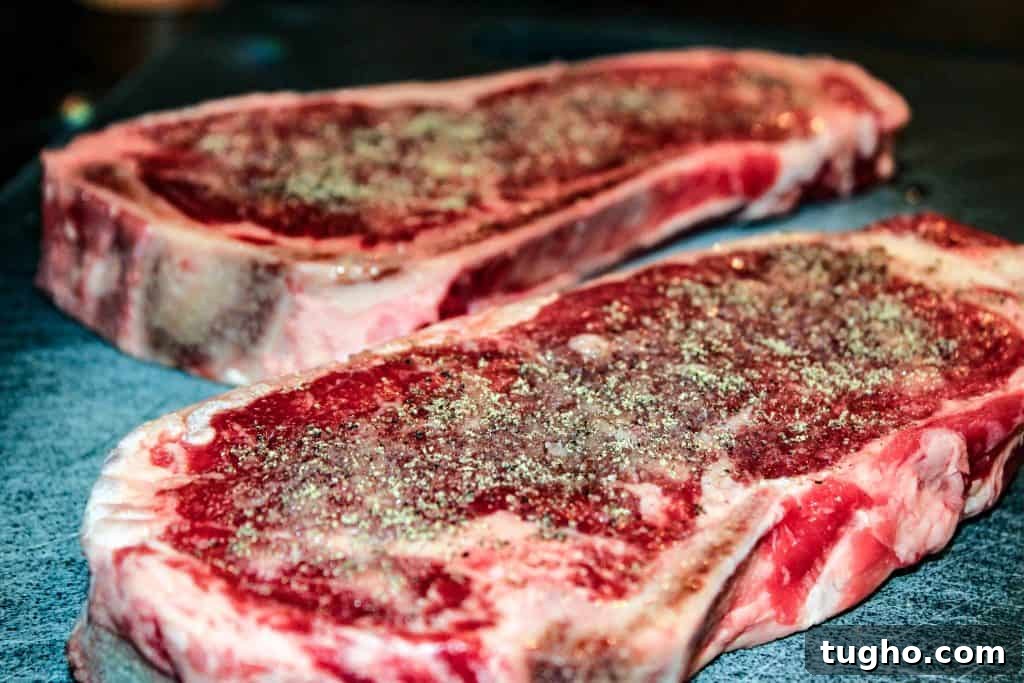
Smoke the steaks until the internal temperature reaches 100–110°F—typically around an hour for 1–1½ inch steaks. For thicker cuts over 2 inches, aim for about 125°F before searing.
Searing a Reverse Seared Ribeye
This is the defining step. When the steaks reach your target pre-sear temperature, remove them from the smoker and tent them loosely with foil. If your smoker can reach 500°F or higher, you can use it for the sear. Otherwise, a heavy cast-iron skillet on the stovetop is ideal. Cast iron provides even contact and creates a superior crust.
Preheat the skillet until it’s smoking hot, then add a tablespoon of butter or oil and place the steak down. Sear for 1–2 minutes per side to build a deep, flavorful crust—flip once to ensure even browning. The goal is a well-browned exterior without overcooking the interior.
Use an instant-read thermometer to monitor internal temperature. Pull the steak from heat when it is about 10°F below your final desired doneness because the internal temperature will rise during resting. For medium-rare, a final target of around 125–130°F is common. Rest the steak for at least 10 minutes (up to 20 minutes for very thick cuts) so the juices redistribute for a tender, flavorful result.
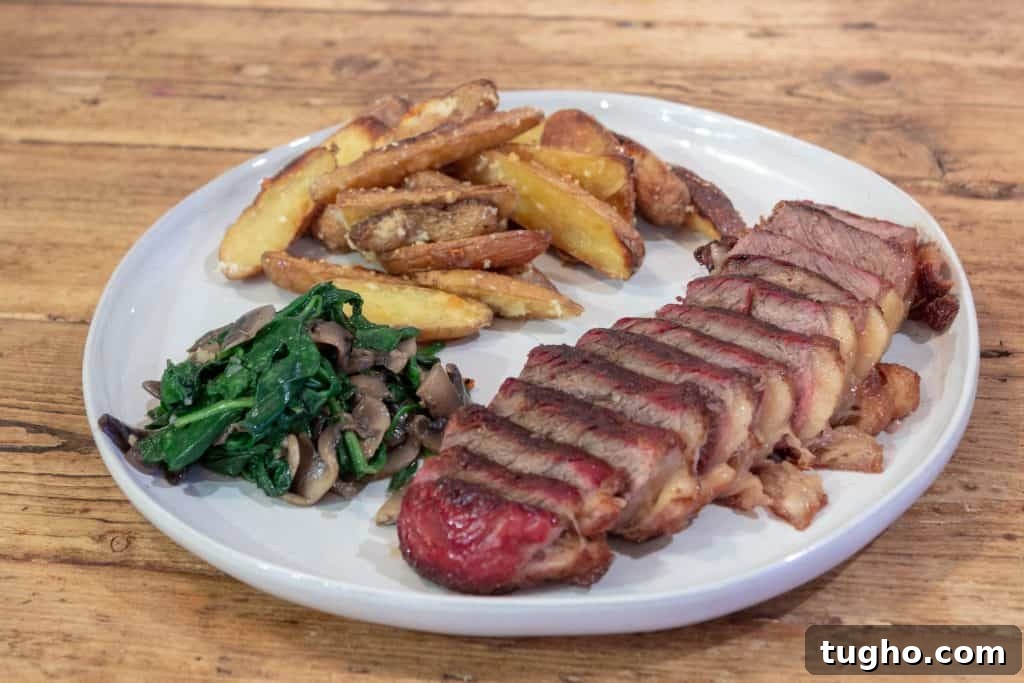
How to Know When Your Steak is Done
The most reliable way to check doneness is with an instant-read thermometer. A quick read lets you adjust timing with precision. I typically pull steaks at 125°F for medium-rare and allow carryover heat to bring them to the perfect finish while resting. If you don’t have a high-quality instant-read thermometer, consider getting one—the difference in consistency is significant.
Time to Eat!
Once rested, slice and serve your reverse seared ribeye with classic sides like a baked potato, a wedge salad, or smoked vegetables. The simple combination of careful slow smoking and a hard sear produces a steak that consistently outshines conventional grilled steaks.
How to Reverse Sear a Steak
Summary: Reverse searing combines gentle smoking with a final high-heat sear to produce an evenly cooked, juicy steak with a rich crust.
Details
- Course: Beef
- Cuisine: American
- Keywords: reverse seared ribeye, reverse seared steak, smoked ribeye, pellet grill
- Prep Time: ~2 hours (includes salting/resting)
- Cook Time: ~1 hour plus sear
- Total Time: ~3 hours
- Serving Size: 16 ounce steak
- Calories (approx.): 300 kcal
- Author: Nick
Equipment
- Smoker or pellet grill (able to hold 180–225°F and ideally capable of 500°F for searing)
- Instant-read thermometer
- Grilling rack and sheet pan
- Cast iron skillet (recommended for searing)
Ingredients
- 1 tbsp kosher salt (for initial salting)
- Salt and freshly ground black pepper to taste
- 2 tbsp butter (for searing)
Instructions
- Salt the steaks on all sides and place on a rack in the refrigerator for 2–12 hours.
- Heat your smoker to 180–225°F. Add steaks and smoke until internal temp reaches 100–110°F (about 1 hour). For steaks over 2″ thick, smoke to ~125°F.
- Remove steaks and tent with foil. Increase smoker temperature to 500°F if possible, or preheat a cast iron skillet on high heat on the stove.
- Add a tablespoon of butter to the hot skillet. Sear steaks 1–2 minutes per side to form a crust.
- Use an instant-read thermometer and pull steaks about 10°F below your final target temperature. Rest steaks 10–20 minutes before slicing and serving.
Notes
If your smoker can’t reach searing temperatures, finish steaks in a very hot cast iron skillet. Use kitchen ventilation to manage smoke when searing indoors.