I recently realized that email is the best way to keep readers of A Duck’s Oven informed and engaged. Social networks have changed: Facebook limits how many followers see each post unless you pay for reach, Twitter restricts how much you can say in a single message, and Instagram makes it harder for people to move from the app to a blog. With email you control what goes out, how often, and how it looks—and that control makes it an essential tool for building a reliable audience.
I already had a modest email list, but it wasn’t as strong as my other social channels. I wanted more subscribers and a predictable way to grow that list. After researching options, I implemented a few straightforward strategies that made a big difference.
Disclaimer: I mention MailChimp because it’s the service I chose and it has worked well for me. This is my personal experience, not a paid endorsement.
1. Use a dedicated email service
If you don’t offer email subscriptions yet, or if you’re still using Feedburner, consider switching to a dedicated service such as MailChimp. For small lists it can be free, and it gives better control than Feedburner. I switched to a weekly newsletter instead of sending an email every time a new post went live. Before the switch, subscribers received an email for every new post, which was becoming too frequent for many readers.
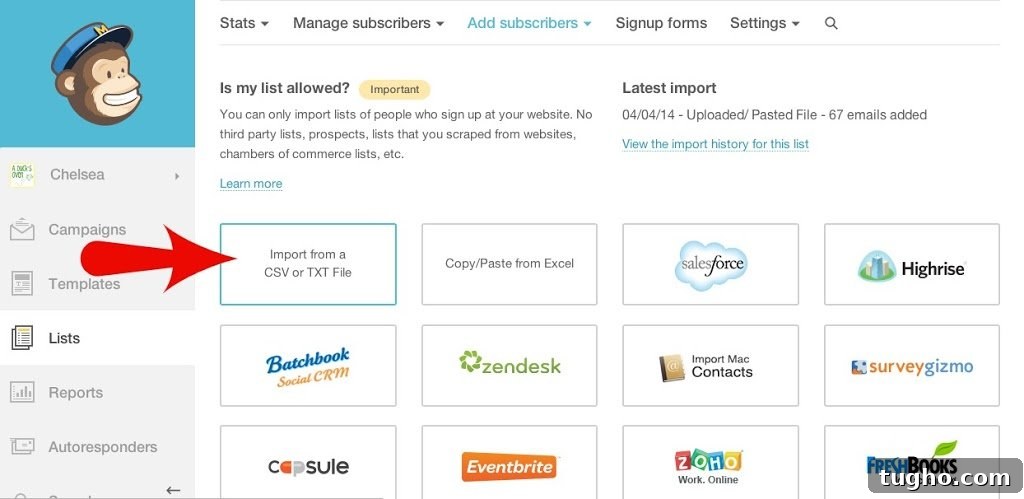
When preparing to move lists, export your Feedburner subscribers as a CSV file (via Publicize > Email Subscriptions > Subscription Management > Export: CSV), then upload that file to your new email service. After importing, deactivate the Feedburner list so all new emails go through your chosen provider.
A big benefit of a service like MailChimp is analytics: you can see open rates, click-through rates, and which campaigns perform best. That data helps refine how often you send mail and what content resonates with readers.
2. Make signup easy and visible
Make the subscribe form prominent and frictionless. I added a signup button to my blog’s Facebook page, placed a simple form in the blog sidebar, and kept the sign-up process short. The easier it is to subscribe, the more likely visitors will commit.
3. Give people something worthwhile
Offer a clear, valuable incentive to encourage signups. If you sell products, a coupon or special offer works well. For a food blog, a downloadable recipe collection is a natural fit and attractive to potential subscribers.
I considered what I could offer without spending money or requiring complex tools. An eBook doesn’t have to be fancy—a PDF compiled from existing content works perfectly. Using simple tools, I created a short eCookbook with my most popular recipes and designed a cover in basic image editors. Exporting a document as PDF is enough to produce a downloadable file that feels like an eBook to readers.
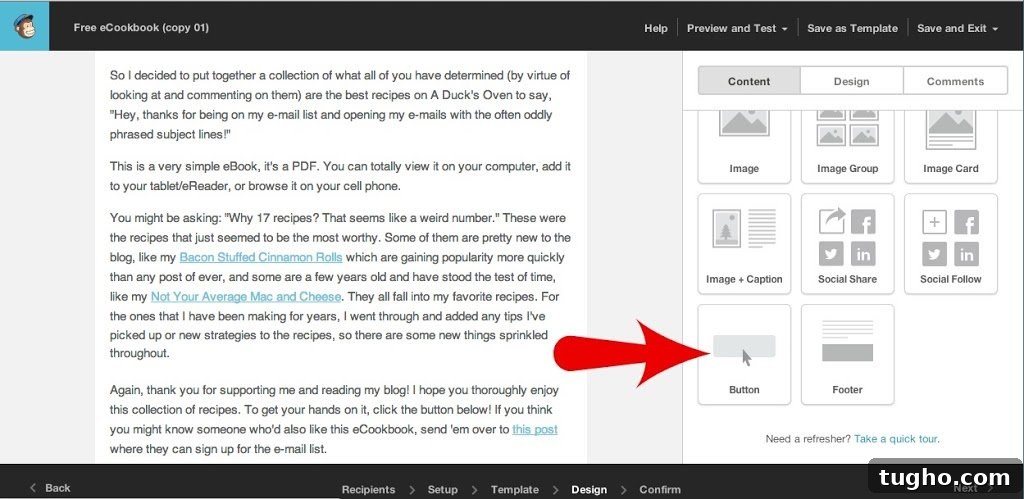
To deliver the eCookbook, I built an email campaign and added a clear “Download” button that linked to the PDF. Uploading the file directly into the campaign lets subscribers access it immediately after signing up. This avoided paid document-hosting services and kept the process free.
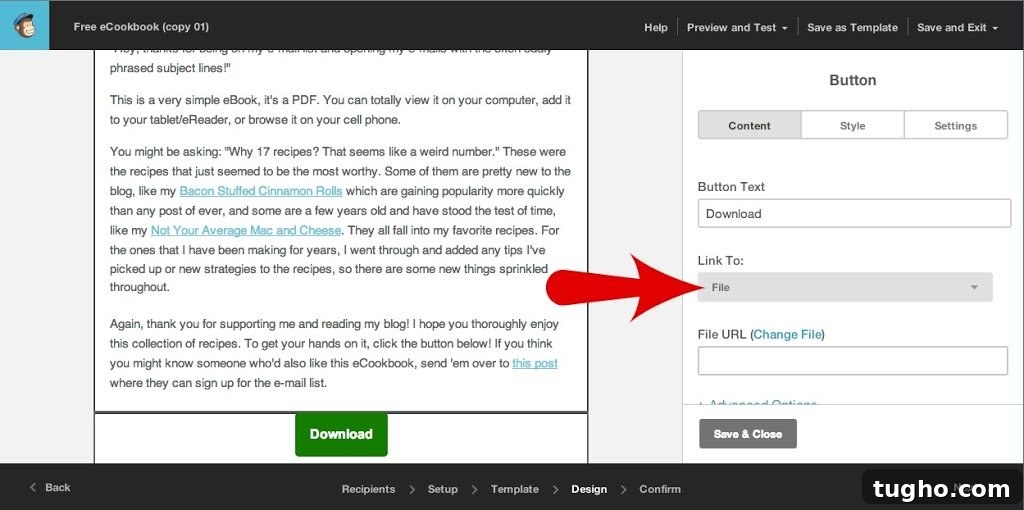
I wrote a blog post explaining the eCookbook and embedded a signup form in that post so readers could subscribe without leaving the page. Then I announced the eCookbook in an email to existing followers and promoted it briefly on social channels. Signups started quickly: before this promotion I might get one or two signups a week. After offering the eCookbook, I consistently received three to five signups per week.
In three weeks the email list grew by about 25 percent. That growth showed that the offer resonated and was easy enough for people to act on. To keep the offer visible, I added a blog tab titled “Free eCookbook” and placed a linked image of the cover in my sidebar.
This strategy worked well because it only cost time, it delivered something readers valued, and subscribing was simple. Requiring multiple actions—subscribe, follow on social, and like a page—would have reduced the response rate.
- It was free aside from the time invested to compile and format the eCookbook.
- The incentive was attractive enough that readers were happy to exchange an email address for the content.
- The signup process was quick and straightforward, lowering barriers to entry.
I hope these tips help you grow your own blog email list. Focus on good incentives, simple signup, and reliable delivery through a dedicated email service to increase subscriptions and build a more engaged audience.