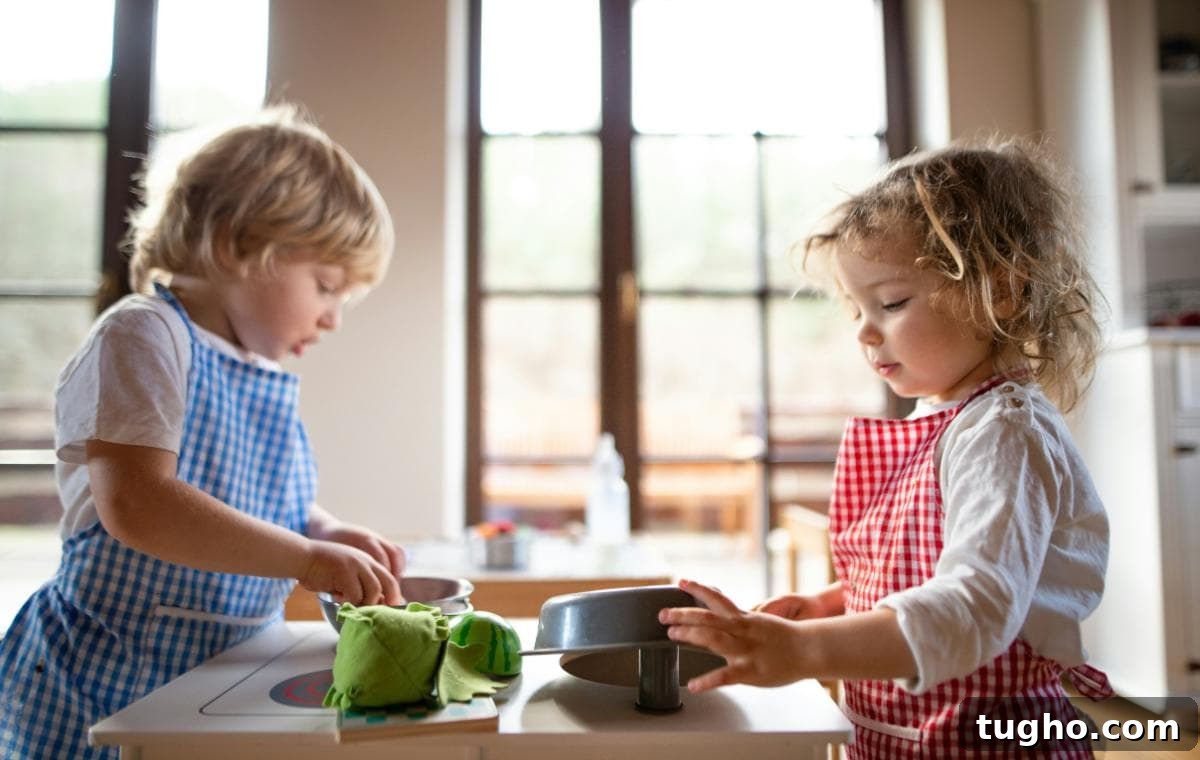
Does your child love playing restaurant? Are they already pretending to be a future chef or server? Grab your aprons—real or imaginary—and get ready to turn a corner of your home into a lively pretend-play restaurant. This simple, low-cost activity promotes creativity, language, social skills, early math, and a sense of responsibility while providing hours of family fun.
Setting up a pretend restaurant for kids is an ideal way to encourage imaginative play and hands-on learning. Below are practical ideas for staging, props, role-play, and ways to turn clean-up into part of the experience.
Setting the Scene
Start by choosing the right spot. A dining table works well, but don’t overlook a nook in the living room, a corner of the playroom, or even a cardboard box turned into a food truck. The key is to create a clear space where your child can focus and imagine.
Dress the area with a tablecloth, a few plates and utensils, and a simple centerpiece like a small vase of flowers. If you have a play kitchen, place it nearby; otherwise a few pots, pans, and wooden spoons will stand in perfectly. A designated “kitchen” and “dining” space helps children practice organization and sequence as they prepare and serve meals.
Essential Props and Materials
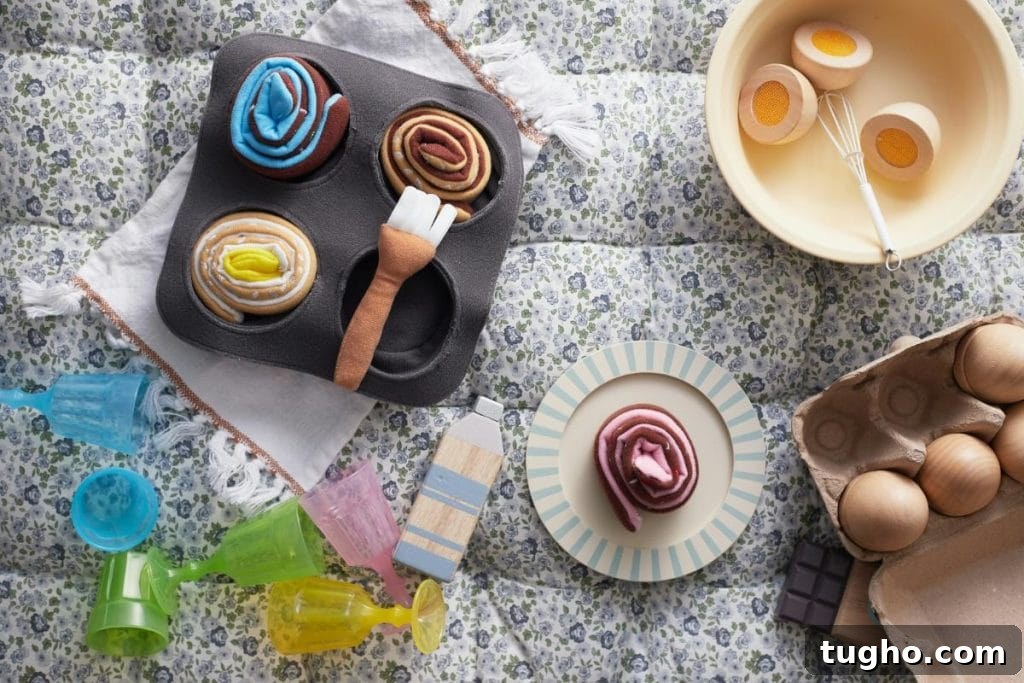
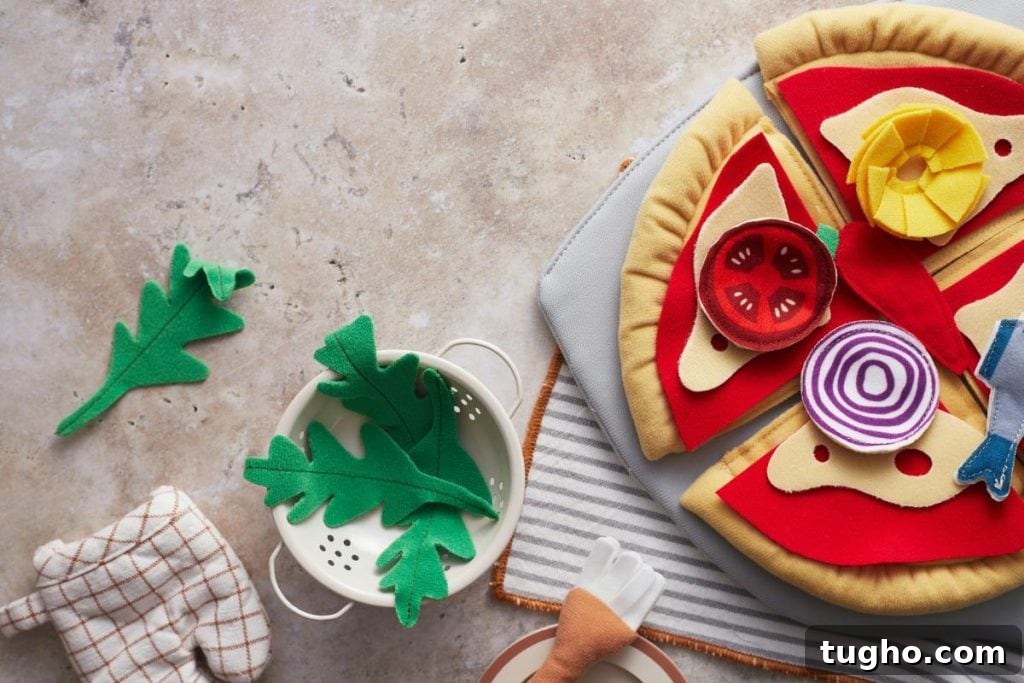
Props bring the experience to life. Make a menu together—this can range from colorful crayon drawings to laminated pages you keep from day to day. Play food such as plush fruits and vegetables, wooden pizzas, or homemade playdough creations let children experiment with different dishes. Keep dishes and cutlery child-friendly: plastic or wooden sets are safest for little hands.
Simple costumes help children settle into character. An apron, a paper chef’s hat, or a bow tie for the pretend host can spark more imaginative scenarios. Add a small cash register or some play money to introduce basic transactions and counting. These small details increase engagement and offer opportunities to practice math vocabulary and social interactions.
Role-Playing Ideas
Pretend restaurants offer many roles: chef, server, host, dishwasher, and customer. Let your child rotate through jobs to build a variety of skills. As chef, they can invent recipes and practice following steps. As a server, they can take orders, practice polite language, and learn how to manage simple tasks like carrying a tray or placing a napkin.
Parents and siblings can join as customers, giving your child chances to rehearse greetings, take orders, and accept feedback. Encourage descriptive language—asking the child to describe “today’s special” or explain ingredients supports vocabulary and confidence in speaking.
Educational Opportunities
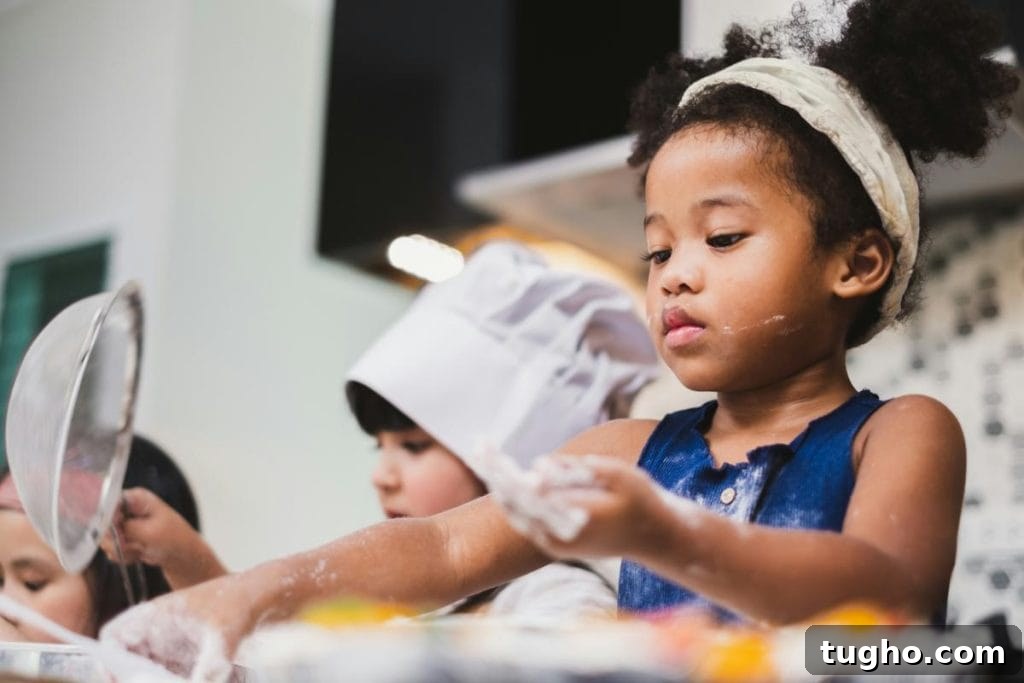
While playing, children practice many foundational skills. Taking orders and handling play money provides a hands-on way to practice counting, addition, and subtraction. Reading menus or announcing specials strengthens early reading and speaking skills. Role-playing social interactions—greeting guests, asking questions, offering choices, and resolving pretend complaints—builds empathy and communication.
Practical life skills are also part of the lesson: setting a table, clearing dishes, and organizing props teach responsibility and routines. Repetition of these tasks in a playful context helps children internalize real-world skills in a low-pressure environment.
Customizing the Experience
Change the theme to keep play fresh. Try an Italian pizzeria, a cozy French bistro, a seaside café, or a silly restaurant that only serves blue foods or dishes beginning with the letter “P.” Special events like a teddy bear’s birthday, holiday-themed menus, or a “staff appreciation” day encourage creativity and give new goals for play.
Offer prompts or challenges: design a healthy menu, create a three-course meal, or set up a family tasting night. These variations keep the activity engaging and support problem-solving and planning skills.
Involving the Whole Family
Invite family members to participate to make playtime social and memorable. Rotate roles, take turns being the critic, or let siblings create a joint menu. Hosting a family meal where everyone orders from the child’s menu validates their efforts and strengthens family bonds.
Clean-up and Storage
Make clean-up part of the restaurant routine. Teach children to clear plates, wipe the table, and sort play food into containers. This reinforces responsibility and organization, and makes it easier to set up next time.
Designate a box or bin for all restaurant props so everything is easy to find. A tidy, consistent storage spot reduces frustration and keeps play sustainable over many sessions.
Creating a pretend-play restaurant is a simple yet powerful activity. It blends play and learning—promoting language, numeracy, social skills, creativity, and independence—while offering meaningful family moments. Your table is set and the chef is ready: enjoy the show and the shared imagination that comes with it. Bon appétit!