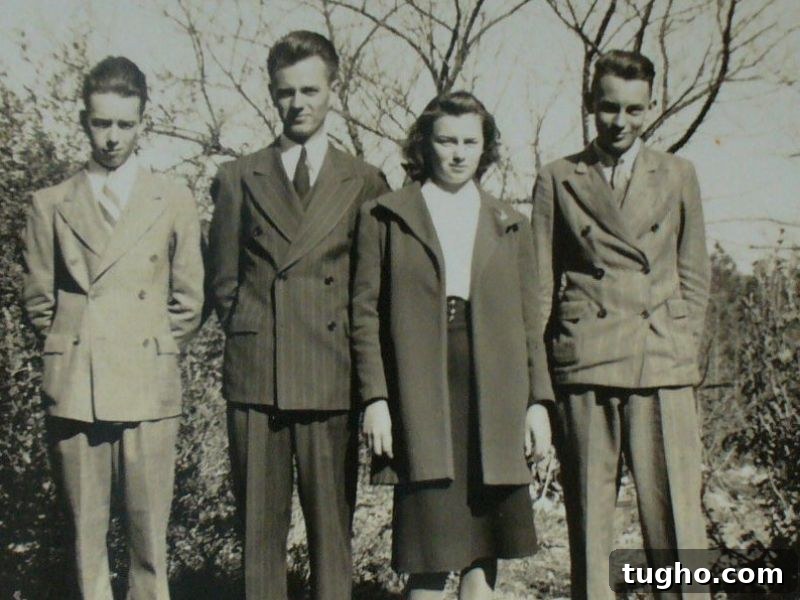
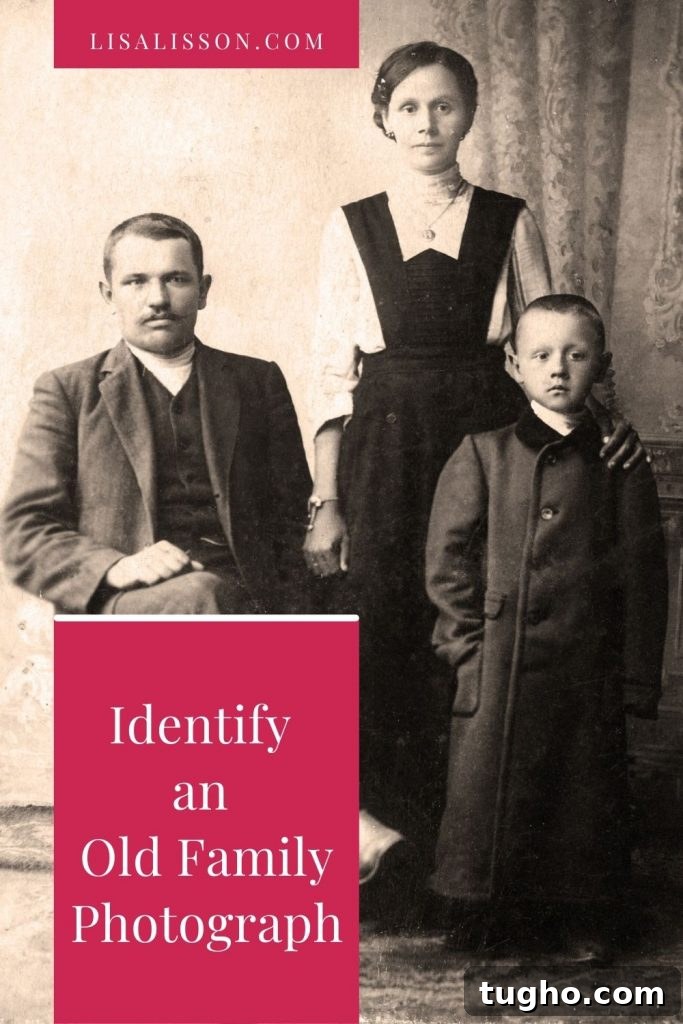
Do you have photos of your ancestors tucked away in a closet? Try these five steps to identify an old family photograph.
Old family photographs arrive in many ways: by email, by mail, or in dusty boxes and trunks. Some come one at a time; others arrive in bulk. For many of us, these images are a mix of emotions—curiosity, delight, and sometimes confusion about who is pictured.
When I began researching my family history and asking relatives about what they knew, people cleared out albums and handed over photographs they couldn’t identify. I spent many enjoyable hours trying to figure out who those people were and when the photos were taken.
At first I had no knowledge of dating or evaluating antique photos, and the learning curve felt steep. But each photograph held clues—sometimes surprising ones—that helped place individuals on my family tree. Below are practical, methodical steps you can use to evaluate and identify your own heirloom photographs.
Step by Step to Identify An Old Family Photograph
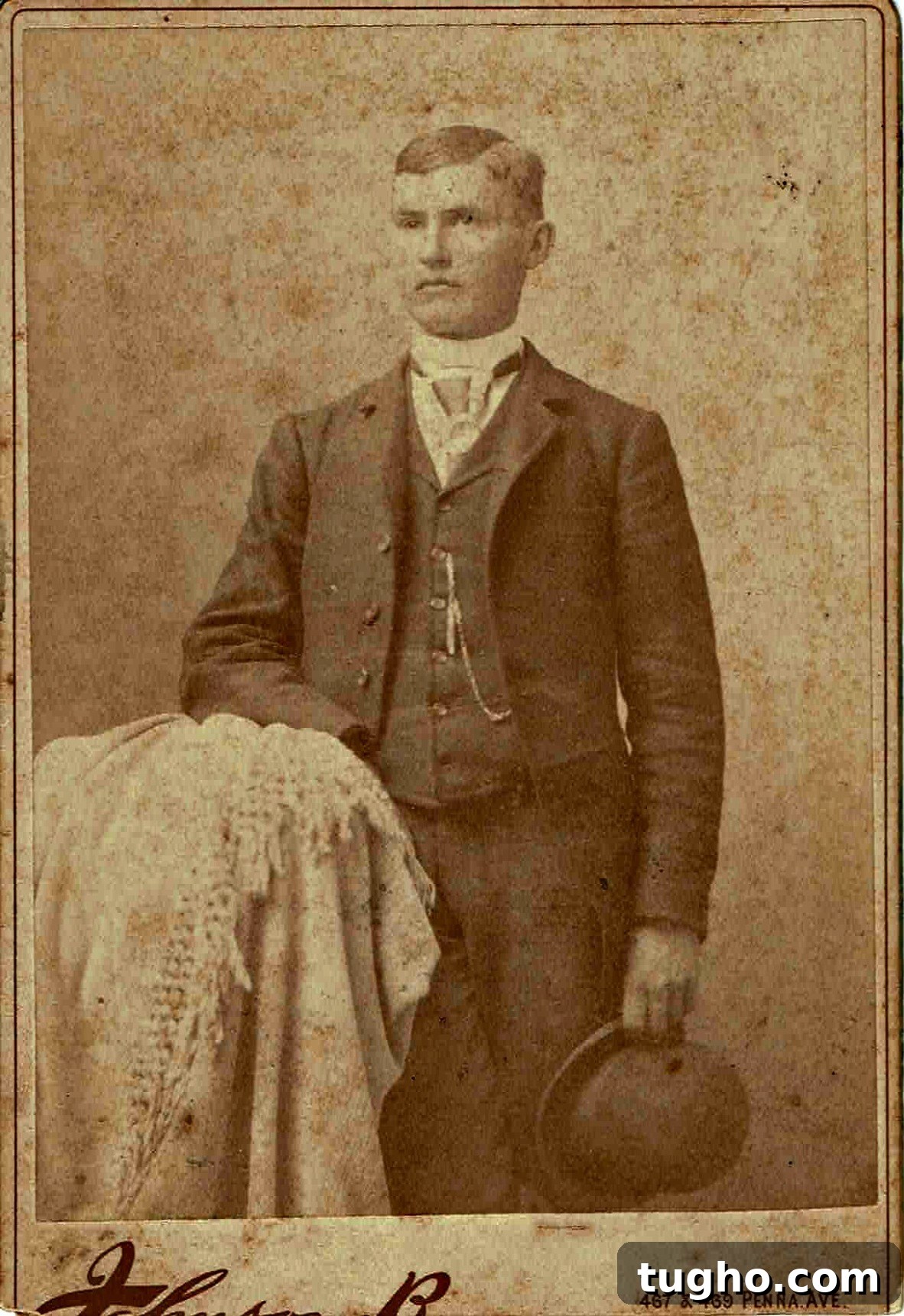
The process below describes how I worked through one cabinet card from a box of photos. Use these same steps—provenance, photo type, photographer research, fashion dating, and combining clues—to identify other images in your collection.
Let’s walk through the steps used to identify this photograph.
Step #1 – Learn About the Photo’s Provenance: Where Did the Photograph Come From?
Provenance—how you acquired the photograph and who owned it before you—often provides the most useful leads. If you know the previous owner, you can narrow the search to a particular family line and quickly eliminate many unrelated branches.
This cabinet card came from my paternal great-grandmother’s red flocked photo album. Although the album was damaged, knowing it belonged to Esther Lee Richardson Talbott limited likely lines to Richardson, Talbott, and Elliott. Because many photos pre-dated Esther’s marriage, they were likely from the Richardson or Elliott side. Esther’s life dates (1896–1923) also told me the photos were taken before 1923.
Summary: The card most likely belonged to the Richardson or Elliott families and predates 1923.
Step #2 – Determine the Type of Photograph You Have
Examine the physical characteristics. Size, card stock, coloring, and backing often indicate the era. This example is a thick card measuring about 4 1/4 x 6 inches with a cream-toned front and a dark maroon back—features identifying it as a cabinet card.
Cabinet cards were most popular in the 1880s and 1890s, and although their peak was earlier, they continued to be produced into the early 1900s. Bold colored backs—deep browns, reds, and greens—were commonly used from the late 1800s into the early 1900s.
Summary: The card likely dates from the 1880s through the early 1900s.
Step #3 – Research the Photographer
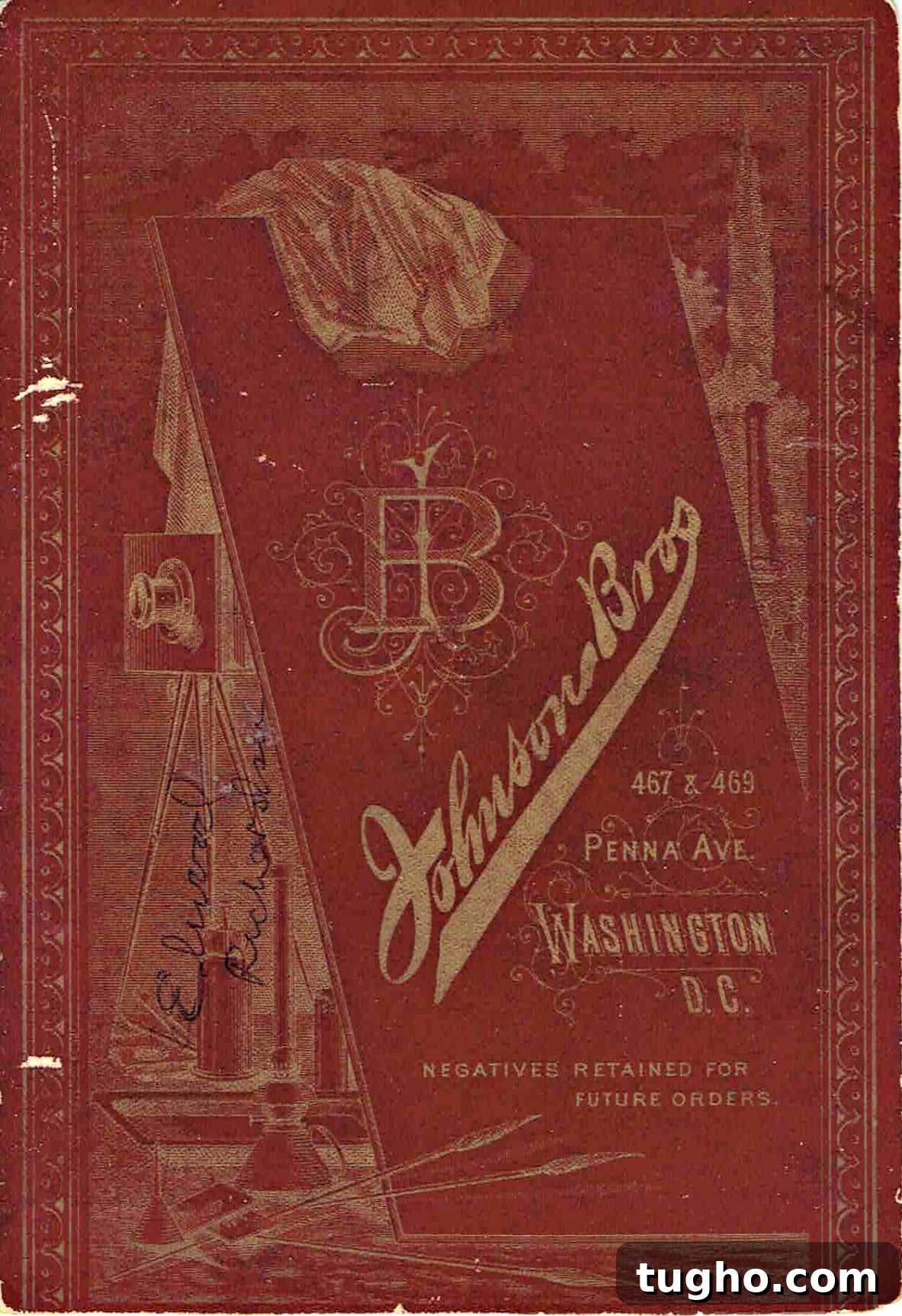
Photographer studio marks are often the most informative clues on old photos. They can reveal a studio name and address, which helps place the image geographically and chronologically. Look carefully at both sides of the print; marks can be large or small and sometimes appear on mounts or card backs.
This card is stamped Johnson Bros., with an address on Pennsylvania Avenue in Washington, D.C. A directory search showed Johnson family photographers working in Washington from the late 1800s into the early 1900s, which fits the estimated date range.
Note: Someone later wrote the name Elwood Richardson on the back in blue ink. Elwood was born in 1911 and could not be the young man pictured. This is an example of an incorrect identification added later. As a rule: don’t write on original photographs in pen.
Summary: The photographer mark places the photo in Washington, D.C., and the timeframe fits the card type.
Step #4 – Date the Fashions Worn in the Photograph
Clothing, hairstyles, and accessories are strong dating tools. Study the subject’s outfit: the man in this photo has a trim haircut, a fitted high-cut vest, and a three-button jacket—styles common in the 1910s. He also holds a bowler-style hat, another popular item of that era.
Use reputable fashion references or museum collections to compare styles. Matching clothing details to a decade helps narrow the date considerably.
Summary: The clothing places the sitter in the 1910s.
Step #5 – Put the Clues Together (or “Mull and Ponder”)
Now combine provenance, photo type, studio location, and fashion dating. This cabinet card is an early 1900s/1910s photograph taken in Washington, D.C., and it most likely belongs to the Richardson or Elliott family branch.
Turning to my family tree and saved correspondence provided the final link. One relative, William F. Elliott (1883–1961), was a first cousin to Esther Richardson and a frequent letter-writer to her between 1909 and 1915. Among those letters was a reference to a trip he took to Washington, D.C., in 1913. William’s time frame, location, and family relationship matched the clues from the card.
In short, the combination of album provenance, cabinet card type, studio mark, fashionable dress, and family records provided a consistent identification: the young man is very likely William F. Elliott.
Conclusion
Identifying people in old family photographs takes deliberate research, careful observation, and patience. Work methodically: establish provenance, identify the photo type, research any studio marks, date clothing and hairstyles, and then compare the clues to your genealogy records.
Every successful identification builds your skills for the next photograph. Take your time, document your sources, and enjoy the process of bringing family stories and faces back into focus.
Learn More About Old Family Photographs:
- Tips for Identifying People in Old Family Photos
- How to Determine the Date of an Old Family Photograph
- Where to Find Old Family Photos
- How to Pull Genealogy Clues From Your Old Family Photographs
- Identifying an Old Family Photograph – Who Is That Couple?
- Are You Your Ancestor’s Doppelganger? Find Out What Your Ancestor Looked Like
- How to Date Antique Photographs Using Tax Stamps
- Best Practices for Storing Heirloom Photographs
- Top 10 Resources for Dating Old Photographs
- How to Find Your Ancestors in School Yearbooks