Cultivated for centuries by Buddhist monks, monk fruit has become a popular natural non-nutritive sweetener. It provides intense sweetness with virtually no calories, making it an attractive sugar alternative for people who want to reduce added sugars, manage calorie intake, or control blood sugar.
If you’re new to monk fruit, here’s a clear overview of what it is, how it works, and how you can use it.
What is Monk Fruit?
Known traditionally as luo han guo, monk fruit is a small, green, gourd-like melon native to southern China. The fruit’s juice and extract contain sweet compounds called mogrosides, especially mogroside V, which make the extract up to 200 times sweeter than table sugar while contributing almost no calories. Because of this, monk fruit extract is widely used as a sugar substitute in beverages, baked goods, yogurts, dressings, jams, and many sugar-reduced desserts.
Mogroside V is a naturally occurring antioxidant compound. Processors crush the fruit flesh to obtain a mogroside-rich juice that is purified into the concentrated sweetener sold as monk fruit extract. On product labels it may appear as “monk fruit” or by its traditional name, luo han guo. Be aware that products marketed with monk fruit may still contain added sugars or other sweeteners, so check labels if you need a truly sugar-free product.
Benefits of Monk Fruit
Monk fruit extract is attractive for people managing diabetes, reducing added sugars, or aiming to lower calorie intake. Some laboratory and preclinical studies have investigated mogroside V and reported low-glycemic properties and antioxidant activity. For example, in-vitro research has suggested mogroside V may influence insulin secretion and show antioxidant effects that could reduce oxidative stress. These findings are promising but more human clinical research is needed to confirm long-term health benefits.
Although often labeled “zero-calorie,” pure monk fruit extract contains a negligible amount of calories (around 2 calories per teaspoon), which the FDA considers effectively zero for labeling. This makes monk fruit useful for cutting calories from sweetened beverages or recipes without sacrificing sweetness.
Is Monk Fruit Extract Safe?
Yes. Monk fruit extract has been granted GRAS (generally recognized as safe) status by the U.S. Food and Drug Administration, and is recognized as safe by health authorities in several countries. It is generally considered safe for most people, including children and pregnant or nursing mothers. As with any food ingredient, individuals with specific medical conditions or concerns should consult a healthcare professional before making significant diet changes.
Is Monk Fruit Extract Pure?
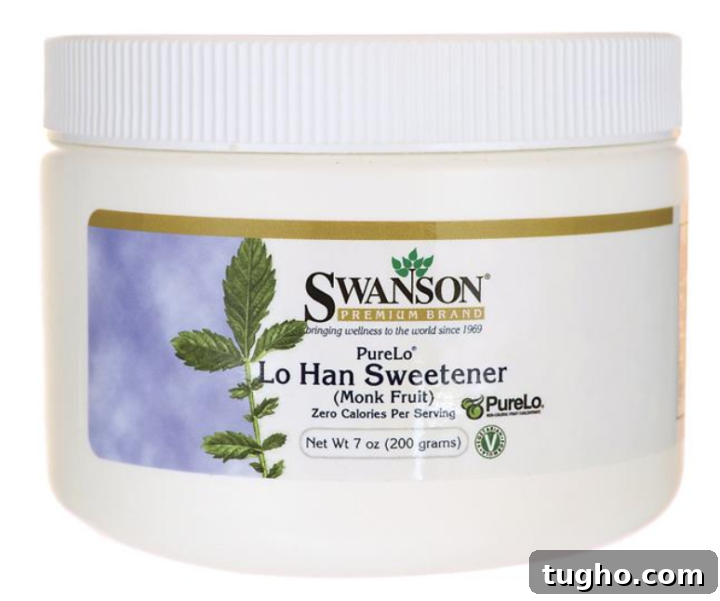
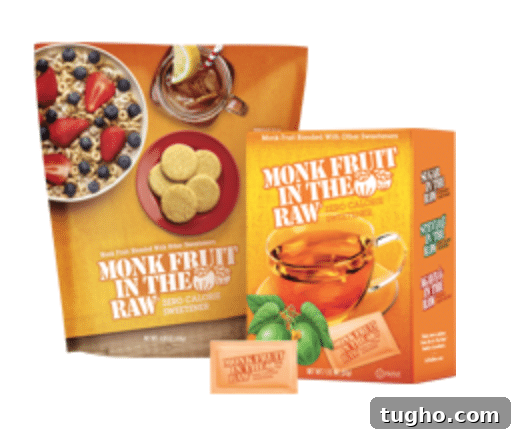
Monk fruit sweeteners come in a variety of formats—powdered, granular, cube, and liquid. Not all products labeled “monk fruit” are 100% pure extract. Many commercial blends combine monk fruit concentrate with bulking agents such as dextrose, maltodextrin, allulose, or even small amounts of sugar to mimic the texture and volume of sugar and make substitution easier in recipes.
If you prefer a pure extract, look for products that list only monk fruit extract (or luo han guo extract) on the label. If you need a direct 1:1 replacement for cup-for-cup baking, some blended products are formulated to match sugar volume and behavior but may include additional ingredients.
How Do I Use Monk Fruit?
Monk fruit can be used wherever you would normally use sugar: in beverages, oatmeal, sauces, dressings, and baked goods. Some blends are formulated as a 1:1 sugar substitute, which simplifies baking because you don’t need to convert measurements. Pure monk fruit extract is extremely concentrated—only a small dash is needed to sweeten coffee or tea.
If you bake with monk fruit blends that use allulose or other bulking agents, be mindful that excessive intake of some sugar alternatives can cause digestive discomfort in sensitive individuals. As with any sweetener, moderation is advisable.
To reduce reliance on sweeteners in drinks, try gradually decreasing the amount you use or substituting a splash of unsweetened plant-based milk or a dash of cinnamon to soften bitterness and enhance flavor without added sugar.

The Bottom Line: Should You Use Monk Fruit?
Monk fruit extract is a safe, low-calorie sweetener that generally does not raise blood sugar, making it a useful option for people aiming to reduce added sugars or manage calorie intake. It is not a cure-all, and some monk fruit products include other sweeteners or sugars that will affect blood glucose. Read product labels and choose the form that best fits your needs—pure extract for beverages or concentrated sweetness, or blended 1:1 products for baking convenience.
If you’re experimenting with sugar alternatives, monk fruit is worth considering alongside other options such as stevia or erythritol. As always, aim for moderation and variety in your diet.
If you want to try monk fruit, look for products labeled “pure monk fruit extract” for concentrated use in beverages, and look for monk fruit blends labeled as 1:1 sugar substitutes when baking. Check ingredient lists to see if bulking agents or added sugars are included so you can choose the option that aligns with your health goals.
My Favorite Monk Fruit Products
The Best Monk Fruit Sweetener for Baking
For baking, a 1:1 monk fruit sweetener that includes a bulking agent can simplify recipes because it replaces sugar cup for cup. Some of these products use allulose as the bulking ingredient, which behaves like sugar in recipes but is not metabolized like regular sugar. Note that consuming large amounts of poorly absorbed sweeteners may cause digestive discomfort in some people, so use them in moderation.
The Best Golden Monk Fruit Sweetener (Instead of Brown Sugar)
Golden or brown-style monk fruit blends are formulated to mimic brown sugar’s flavor and moisture, and many are also sold as 1:1 replacements. These can be useful in recipes that call for brown sugar, but again, read the label to confirm the ingredients and choose a product that matches your dietary needs.
The Best Pure Monk Fruit Extract for Coffee and Tea
Pure powdered monk fruit extract or liquid drops are ideal for sweetening coffee and tea. They are highly concentrated, so a small amount provides plenty of sweetness. If you’re trying to reduce sweetener use overall, consider gradually cutting back until you enjoy coffee or tea with little to no added sweetener, or use a splash of unsweetened milk and a pinch of cinnamon to enhance flavor naturally.
Shop My Favorite Monk Fruit Sweeteners
Look for well-reviewed monk fruit products at your local grocer or trusted retailers. Choose pure extracts for beverages and concentrated use, and select 1:1 baking blends when you want a straightforward sugar replacement. Read labels to avoid unwanted added sugars or ingredients that don’t align with your goals.