I began working from home full time in September 2019. Previously, my job kept me moving — teaching classes, coaching, and running between locations — so my access to food was limited to what I packed or bought on the go. Once I moved my work to the house, my desk ended up right next to the kitchen and the temptation to snack all day became very real.
If you’re working from home or spending more time at home than usual, wandering into the kitchen between tasks can quickly become a habit. Below are practical strategies that helped me stop constant grazing and regain control of my eating habits while still supporting energy and focus throughout the day.
1. Eat real meals
This may sound obvious, but committing to three planned meals — breakfast, lunch, and dinner — changed everything. When I skip a real meal I end up mindless grazing and almost always eat more than I would have if I’d taken 10–20 minutes to sit down and eat properly. Planning meals in advance for the week reduces decision fatigue and prevents the “I’ll just grab something now and deal with dinner later” mindset that leads to oversnacking.
Make a simple weekly plan: what you’ll have for breakfast, lunch, and dinner. Even rough ideas or rotating favorites make it less likely you’ll reach for convenience snacks out of habit.
2. Eat satiating, balanced meals
Every meal I prepare includes three elements: protein, vegetables, and a healthy fat. This combination keeps me full longer and reduces cravings. Carbohydrate-heavy meals can taste great, but they often leave me hungry again soon after. Including protein and fat stabilizes blood sugar and improves satiety.
Examples of balanced meals: grilled chicken or fish with a large salad and avocado, an omelet with veggies and a side of olives or nuts, or savory pancakes made with a healthy flour plus a protein source. Balanced meals also help with the mental side of snacking — after a filling, nutrient-dense meal it’s easier to recognize that a craving is not real physical hunger.
3. Pause and ask: is it hunger or a craving?
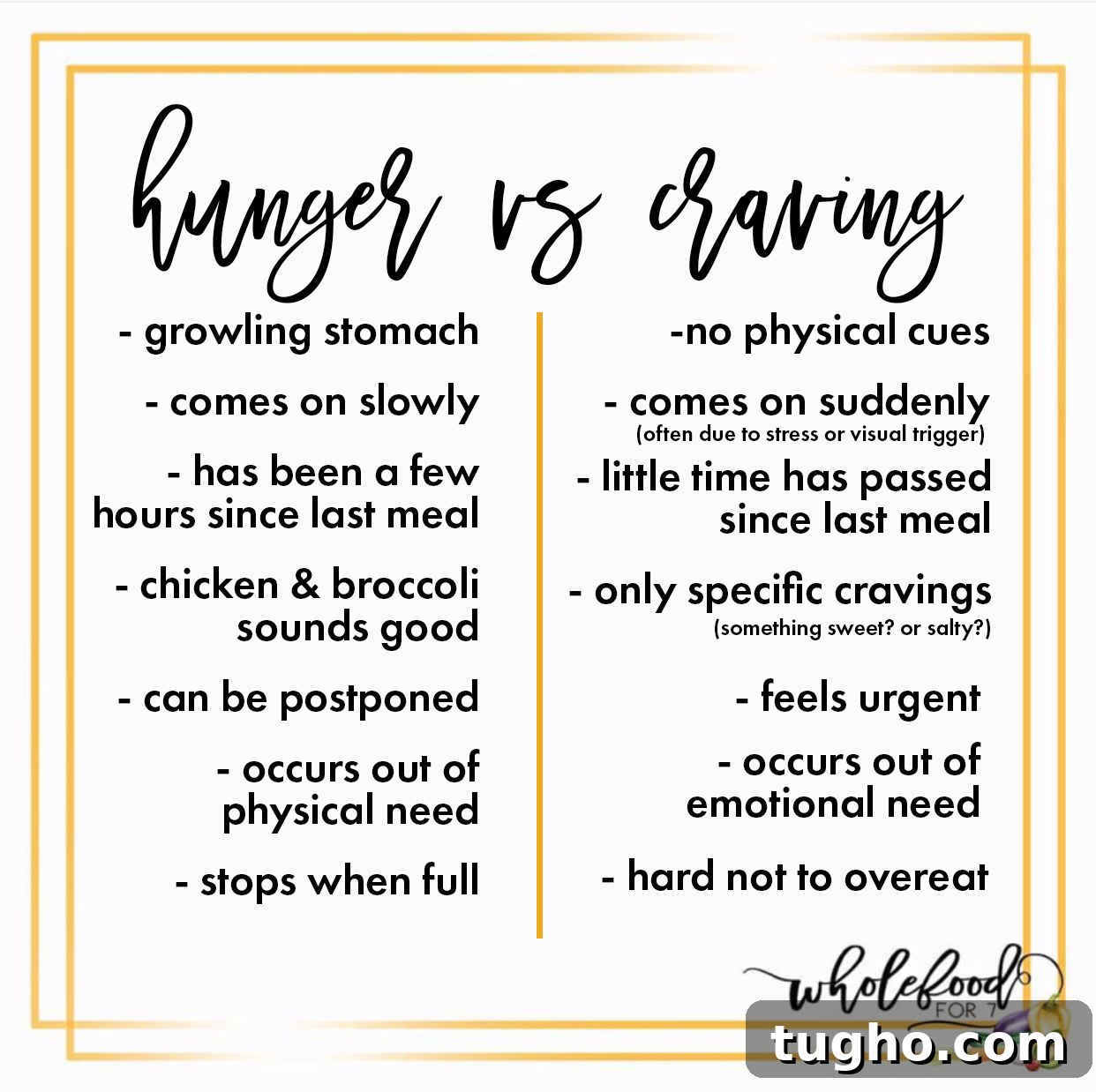
It helps to pause and assess what you’re feeling. Hunger tends to build gradually and can be satisfied by nutrient-dense foods like lean protein, vegetables, or whole grains. Cravings are often specific — I might only want something sweet or something salty. If you suddenly want a cookie or chips and nothing else sounds appealing, that’s likely a craving rather than true hunger.
If you determine you are genuinely hungry, choose a small snack with protein or healthy fat: hard-boiled eggs, a jerky stick, Greek yogurt, or a handful of almonds with a piece of fruit. These options will satisfy hunger without sending you straight back to the pantry ten minutes later.
4. Make snacking inconvenient
Design your environment for success. Small changes that increase friction for snacking can break the autopilot habit of grazing:
- Avoid spending time in the kitchen unless it’s meal or snack time. If you aren’t in the room with the food, you’re less likely to eat it.
- Store tempting items toward the back of the fridge or in opaque containers so you don’t see them immediately. Visual cues are powerful triggers.
- If certain packaged treats are a weakness for you, don’t buy them. Out of sight often equals out of mind.
- Set household rules if possible: e.g., the kitchen is closed between meals except for a planned afternoon snack. Clear boundaries make it easier for everyone in the house to follow the routine.
- When you do snack, put food on a plate and sit down to eat. Eating from a bag or container encourages overeating; plating slows you down and creates a more mindful experience.
5. Hydrate consistently
Often thirst masquerades as hunger. Keep water within arm’s reach and sip throughout the day. I aim to drink about half my body weight in ounces and keep a water bottle at my desk as a visual reminder. Every time I glance at the bottle I take a drink — that small habit has kept me better hydrated and noticeably less inclined to snack out of habit.
6. Be honest about what you’re really seeking
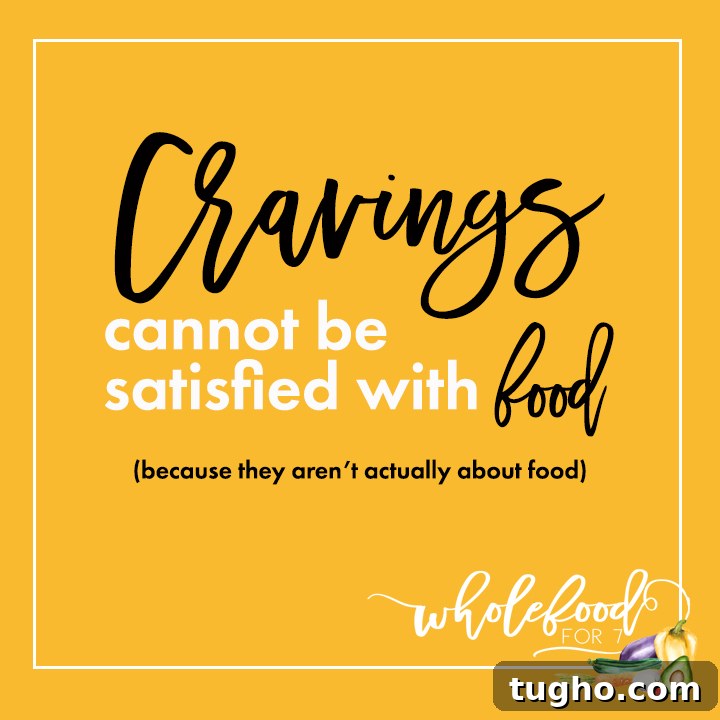
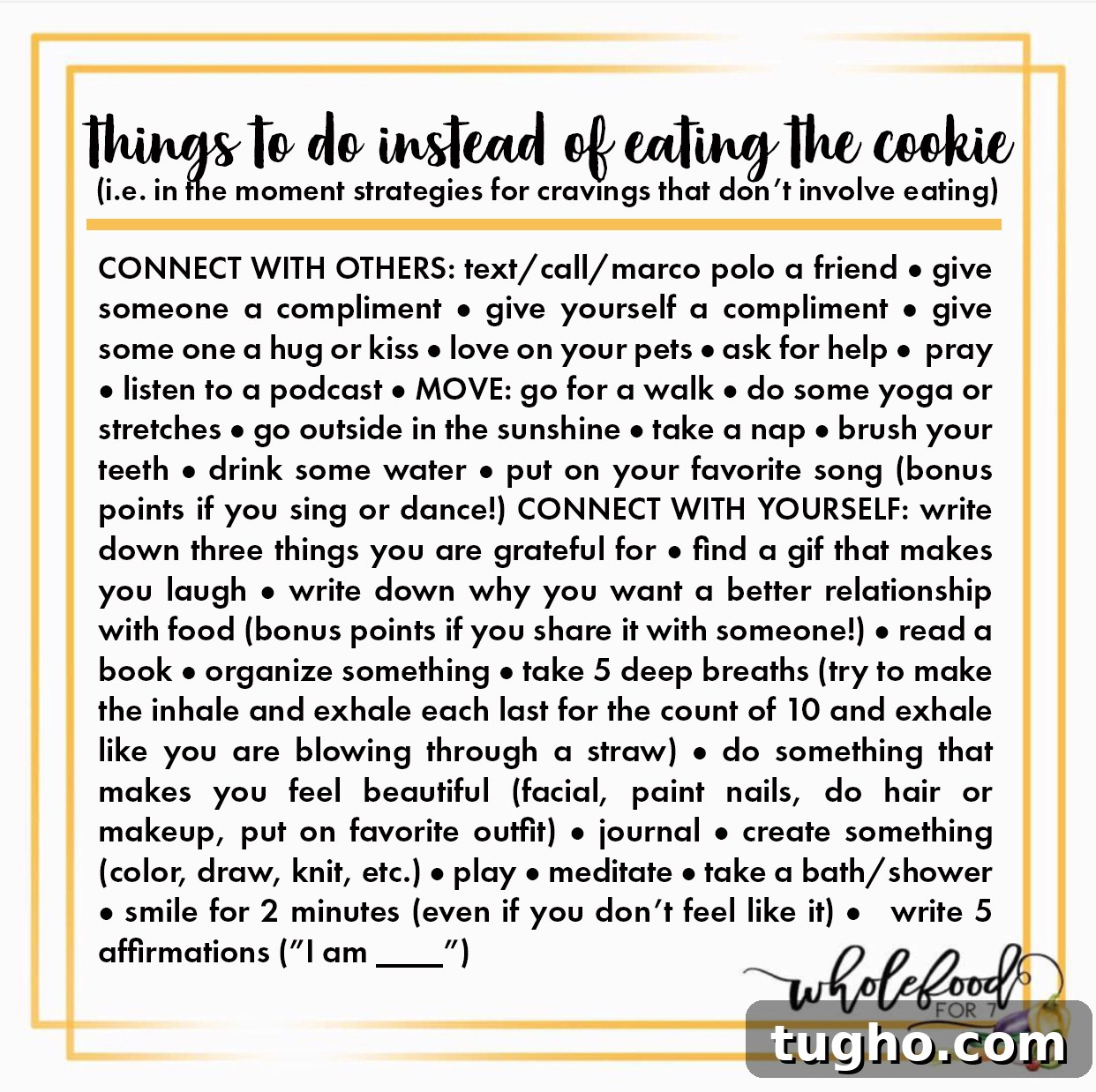
Ask yourself whether you’re seeking food because you’re hungry or because you’re tired, stressed, bored, or emotionally overwhelmed. Eating to soothe emotions can provide temporary relief, but it doesn’t address the underlying need. Identify other ways to respond to those feelings: take a short walk, practice a five-minute breathing exercise, call a friend, or do a quick household task that gives a sense of accomplishment.
When cravings hit, having a short list of alternative actions ready helps. Try two or three options from that list before reaching for food — you may find the urge passes after a few minutes. Over time these small responses build resilience and reduce the frequency of emotional snacking.
Stopping constant snacking is a combination of planning, environment design, and self-awareness. Eat balanced, satisfying meals, make snacks deliberate rather than habitual, stay hydrated, and develop simple non-food responses for emotional triggers. These practical steps helped me regain control while working from home, and they can help you too. Here’s to nourishing ourselves thoughtfully and enjoying food without feeling like it controls our day.