Table of Contents
- What is Polyurethane?
- Polyols
- Isocyanates
- How is Polyurethane Formed?
- Blowing Agents in PU Foams
- What are the Properties of Polyurethane Foam?
- What Products are PUs in?
- Is Polyurethane Spray Foam Toxic?
- Is Polyurethane Safe?
- Tips for Reducing Harmful Exposures to PU Chemicals
- Is Polyurethane Leather Toxic?
- How is PU Leather Made?
- Dimethylformamide (DMF) in PU Leather Manufacturing
- PBDEs in PU Leather
- Antimicrobials in PU Leather
- Plasticizers in PU Leather
- PVC Leather
- Vegan Leather
- What are Polyurethane Poisoning Symptoms?
- Is Polyurethane Carcinogenic?
- Can Polyurethane Be Recycled?
- How is PU Recycled?
- Alternatives to Polyurethanes
- Key Takeaways on Polyurethanes
Have you ever wondered what polyurethane is and whether it’s safe? Polyurethane — often called PU or PUR — is in many everyday items: from pillows and mattresses to furniture, shoes, electronics, and building insulation. Because it’s so common, it’s worth understanding how PU is made, what chemicals are involved, and what health or environmental risks it may pose.
This article follows polyurethane through its life cycle, covers its main chemical components, highlights potential hazards such as toxic solvents and additives, and suggests practical steps and alternatives if you prefer to avoid PU products.
What is Polyurethane?
Polyurethane (PU). Polyurethane is a family of plastics defined by urethane (carbamate) linkages. Unlike single-chemical plastics such as polystyrene or polypropylene, PUs can be made from many different chemical building blocks. That variety lets manufacturers tune PU to be rigid or flexible, foamy or dense, flame resistant or elastic.
The chemicals used to make PU fall into two broad classes: polyols and isocyanates. Both play central roles in the final material’s properties and potential hazards.
Polyols
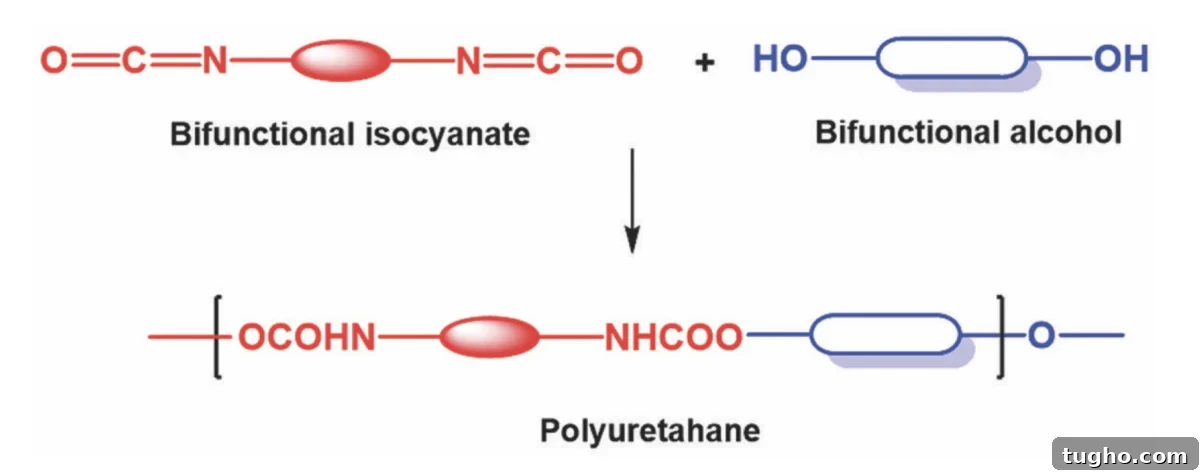
Polyols are alcohol-based molecules with multiple hydroxyl (-OH) groups; those with two are called diols, with three are triols. Different polyols affect PU texture and performance — for example, whether a foam is soft or firm, flexible or rigid. In the chemical reaction that forms PU, the hydroxyl groups on polyols react with isocyanates to build the polymer network.
Isocyanates
Isocyanates are the other essential ingredient. These reactive chemicals contain N=C=O groups and are known to be hazardous. Common isocyanates used in PU production include toluene diisocyanate (TDI), methylene diphenyl diisocyanate (MDI), hexamethylene diisocyanate (HDI), and naphthalene diisocyanate (NDI).
Isocyanates can irritate eyes, skin, and the respiratory tract. In contact with water they can react to form volatile byproducts, and when heated they can decompose into toxic gases. For these reasons, workers and consumers can be exposed to risks when handling or using PU products that still contain reactive residues or when products are manufactured, cut, or burned.
How is Polyurethane Formed?
Polyurethanes form when di- or tri-isocyanates react with polyols. The urethane linkage connects repeating units into long chains or, when crosslinking occurs, into three-dimensional networks. The degree and type of crosslinking determine whether a PU is thermoset (permanently set and resistant to melting) or thermoplastic (able to melt and be reshaped).
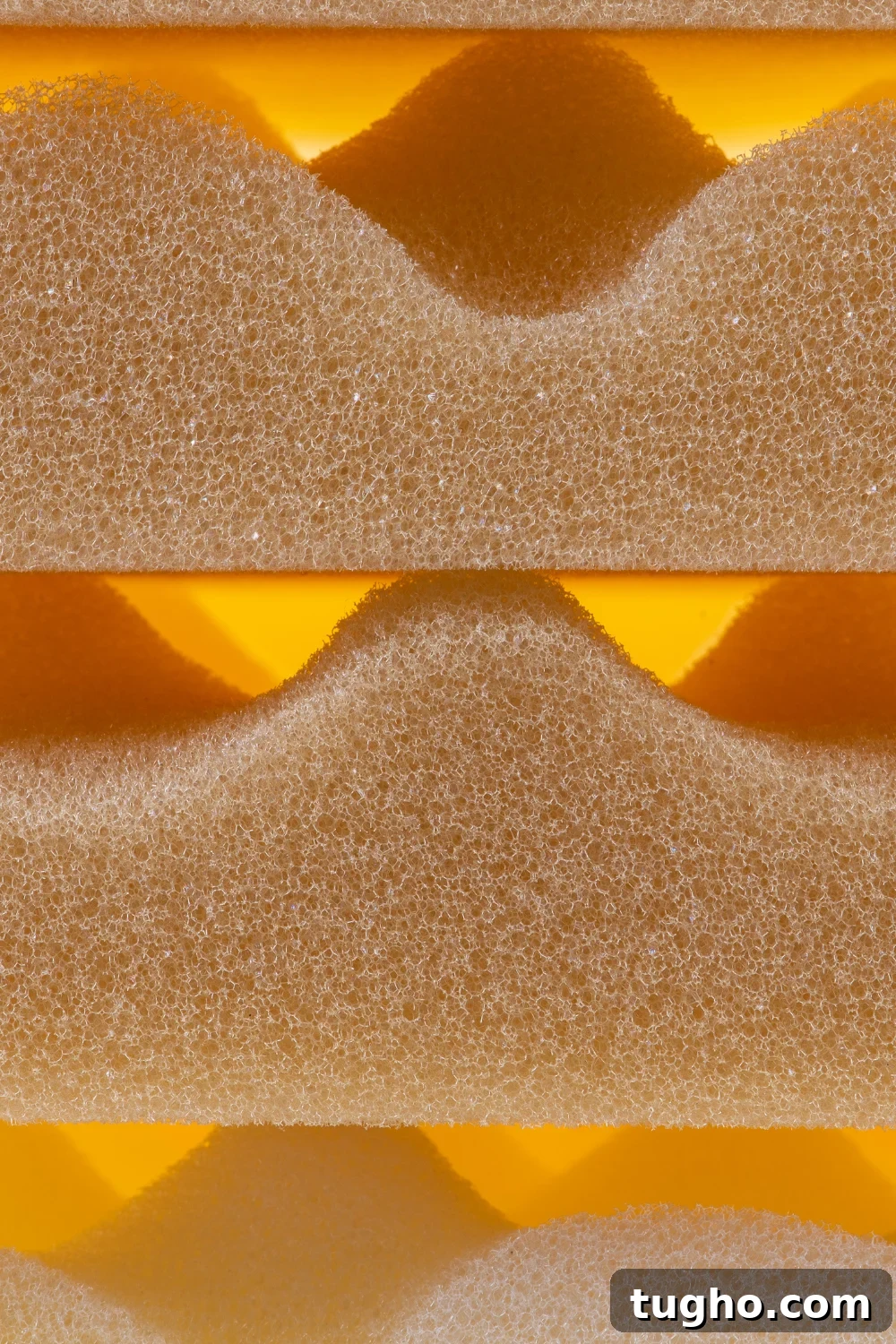
Most commercially produced PUs are foams. To create the cellular structure, a blowing agent generates gas bubbles during polymerization. The agent and process determine whether the foam has open or closed cells and affect insulation, density, and other physical traits.
Blowing Agents in PU Foams
Common blowing agents include water and carbon dioxide, which are relatively benign. However, other blowing agents have historically included chlorofluorocarbons (CFCs), hydrochlorofluorocarbons (HCFCs), hydrofluorocarbons (HFCs), and certain azo compounds. Some of these substances deplete ozone or are potent greenhouse gases. Certain blowing agents have also been associated with workplace respiratory problems when used in manufacturing.
What are the Properties of Polyurethane Foam?
By varying polyol and isocyanate choices and reaction conditions, manufacturers can produce PUs with a wide range of properties. Common characteristics include:
- Water resistance
- Temperature tolerance
- Flame resistance (when additives are present)
- Thermal insulation
- Elasticity and resilience
What Products are PUs in?
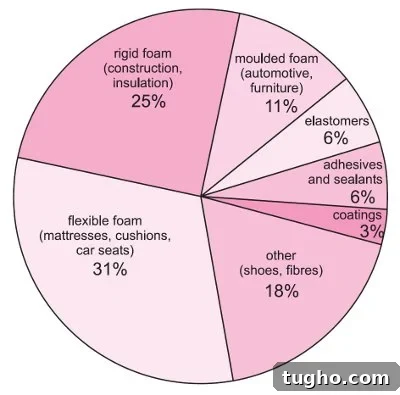
Polyurethanes are used across many industries. Common consumer products that may contain PU include:
- Pillows and mattress cores
- Upholstered furniture and foam cushions
- Packaging materials
- Carpeting and underlay
- Clothing, shoes, and accessories
- Medical devices and adhesives
- Automotive parts
- Floor coatings, electronics, and building insulation
Is Polyurethane Spray Foam Toxic?
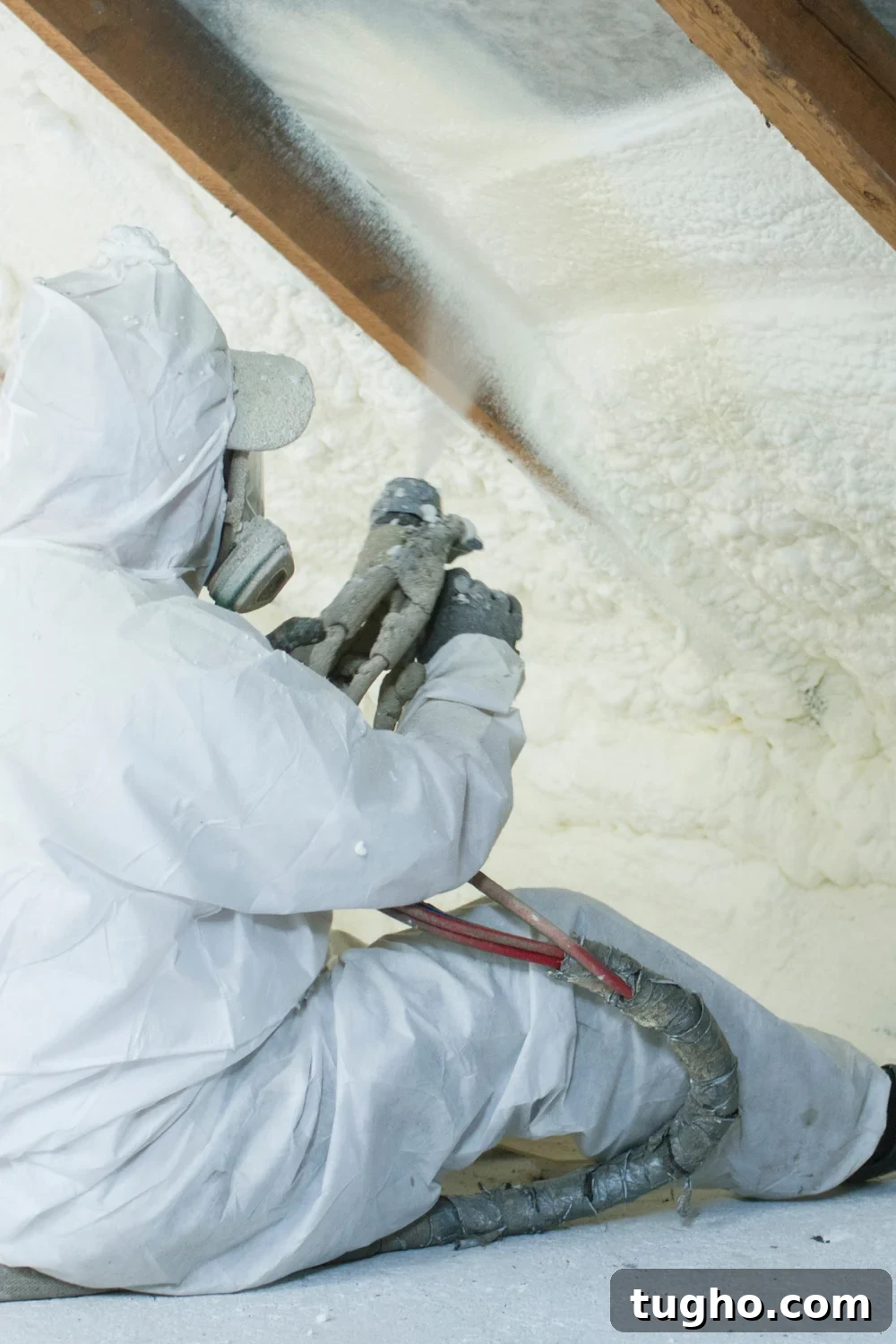
Spray polyurethane foam can present health hazards. During application and curing, isocyanates and other formulation components can off-gas. Exposure to isocyanates is linked to skin and eye irritation, respiratory problems including asthma, and sensitization that can cause severe reactions on re-exposure. Other proprietary ingredients in spray foam formulations — such as catalysts, flame retardants, blowing agents, or surfactants — may carry additional health or environmental concerns.
Is Polyurethane Safe?
Because polyurethane refers to a broad class of materials made from many different chemicals, safety cannot be declared in general terms. Some finished PU products may be relatively inert and low-risk in normal use, while others — particularly freshly applied spray foams, products containing residual solvents, or items treated with certain flame retardants or plasticizers — can pose hazards.
Whether a specific PU product is safe depends on the chemicals used in its manufacture, any residual or additive substances present, and how the product is used, maintained, or disposed of.
Tips for Reducing Harmful Exposures to PU Chemicals
To reduce exposure to potentially harmful PU chemicals:
- If foam is crumbling or damaged, contain it with a secure, non-toxic cover or replace it.
- Buy used PU items only if they are in good condition; avoid tears or holes.
- Dust and vacuum PU furniture regularly, ideally with a HEPA-equipped vacuum.
- When discarding PU items, follow local disposal guidelines and consider replacing worn items with safer alternatives.
Is Polyurethane Leather Toxic?
PU-based faux leather avoids some hazards associated with animal tanning, but it introduces others. PU leather is a polymer coating applied to a backing material and may contain residual chemicals, solvents used in manufacture, and potentially toxic additives such as flame retardants, antimicrobials, or plasticizers. Because manufacturers are not always required to disclose all formulation details, it can be difficult to know what a given product contains.
How is PU Leather Made?
PU leather is typically made by applying a polyurethane coating to a textile backing, often polyester. A solvent is commonly used to dissolve and apply the polyurethane during production, and certain solvents and additives used in that process can be hazardous.
Dimethylformamide (DMF) in PU Leather Manufacturing
Dimethylformamide (DMF) is a solvent frequently used to process polyurethane. DMF can be absorbed through the skin and lungs and has been linked to liver and kidney damage, reproductive effects, cellular toxicity, changes in gut microbiota, endocrine disruption, and cancer in some studies. Residual DMF on finished goods has been reported in some market samples, and such residues can be a route of consumer exposure.
PBDEs in PU Leather
Flame retardant additives such as polybrominated diphenyl ethers (PBDEs) have been used in PU products. PBDEs are persistent, can bioaccumulate, and are associated with endocrine disruption and other health concerns.
Antimicrobials in PU Leather
Some PU products include antimicrobial treatments. Overuse of antimicrobial chemicals can contribute to increased bacterial resistance and may have other health or environmental impacts.
Plasticizers in PU Leather
To make faux leather soft and pliable, manufacturers often add plasticizers. Many commonly used plasticizers are phthalates, which are endocrine-disrupting chemicals that can be absorbed through the skin.
PVC Leather
PVC-based faux leather also raises concerns. Polyvinyl chloride (PVC) production and disposal involve toxic additives and byproducts, making PVC a high-risk synthetic material from production through disposal.
Vegan Leather
“Vegan leather” covers a wide range of materials. Some use plant-based fibers combined with synthetic coatings, while others rely mainly on polyurethane or PVC. A product marketed as vegan is not automatically non-toxic — check materials and manufacturing claims. A few newer materials aim to avoid fossil-fuel-derived polymers entirely, but such options are still relatively limited in the market.
What are Polyurethane Poisoning Symptoms?
Exposure to PU vapors, solvents, or concentrated products such as paints and varnishes can produce symptoms. If you suspect poisoning or a severe exposure, contact emergency services or the Poison Control Center at 800-222-1222.
Reported symptoms from ingestion, inhalation, or skin contact can include:
- Respiratory difficulties, coughing, or throat swelling
- Eye, nose, or skin irritation and burns
- Nausea, vomiting, abdominal pain, or blood in vomit or stool
- Headache, dizziness, confusion, memory problems, or coordination loss
- Rapid changes in blood pressure, collapse, coma, or severe organ damage in extreme cases
If PU contacts skin or eyes, rinse thoroughly with water for at least 15 minutes and seek medical attention. If inhalation causes symptoms, move to fresh air immediately and get medical help.
Is Polyurethane Carcinogenic?
The evidence is mixed and depends on which chemicals are present. Some isocyanates used in PU production are considered potential human carcinogens based on animal studies, and certain additives or solvents associated with PU manufacturing have been linked to cancer risks. Industry studies may report limited findings, but occupational and chemical-specific research points to possible elevated risks in some worker populations and with certain exposures.
Can Polyurethane Be Recycled?
Polyurethane recycling exists but is limited. A small number of pilot and commercial facilities reclaim components or downcycle PU into lower-grade products, but global production far outpaces recycling capacity. Economic factors and the relative cost of virgin fossil-fuel feedstocks reduce incentives to recycle PU at scale.
How is PU Recycled?
Recycling methods vary, but some chemical recycling approaches break PU down using glycolysis or other solvents and heat to recover polyols and other components. The recovered chemicals are often reused at partial replacement rates in new foam production. Mechanical recycling can incorporate shredded PU into products like underlay or filler, but quality is usually lower than virgin materials.
Because disposal is common, many PU items end up in landfills or incinerators, where they can produce toxic leachate or airborne pollutants if not properly managed.
Alternatives to Polyurethanes
If you want to reduce or avoid PU products, here are some alternatives to consider as you replace items over time:
- Buckwheat hull or organic cotton pillows
- Natural latex mattresses
- Wool or natural-fiber carpets and rugs
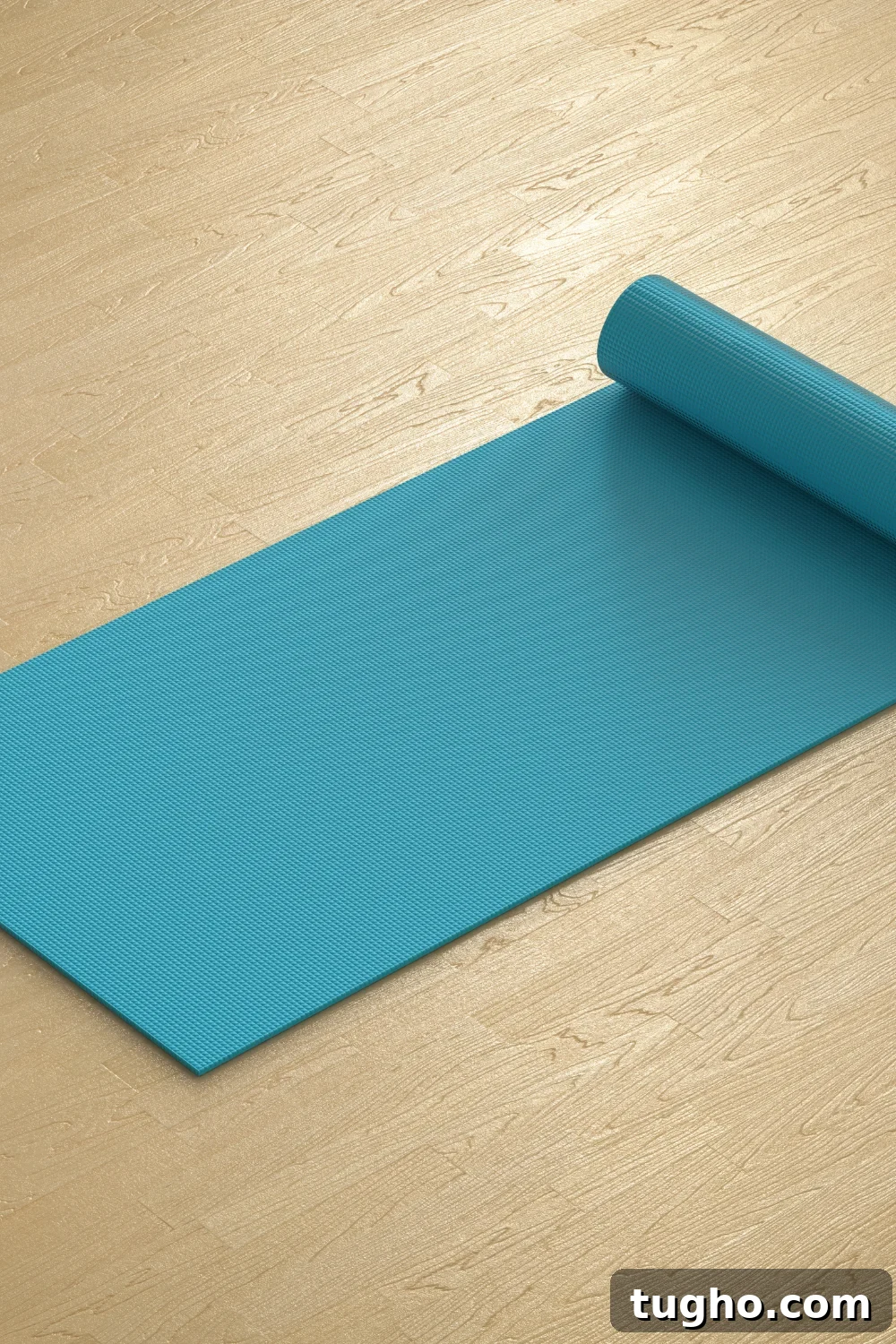
- Cotton or natural exercise and yoga mats
- Vegan leather or plant-based leather alternatives made without fossil-fuel coatings
Key Takeaways on Polyurethanes
Polyurethane is a broad family of materials with many useful applications. Its safety depends on the specific chemicals used in manufacture and any residual solvents or additives present in the finished product. Some components — particularly certain isocyanates, solvents like DMF, flame retardants, and some plasticizers — have well-documented health or environmental risks.
To reduce exposure, choose well-made products from transparent manufacturers, maintain and replace damaged foam items, ventilate areas after installation of new PU products, and prefer natural or lower-risk alternatives when feasible. If you work with polyurethane or live near manufacturing or renovation activities, follow safety guidance and use appropriate respiratory and skin protection.